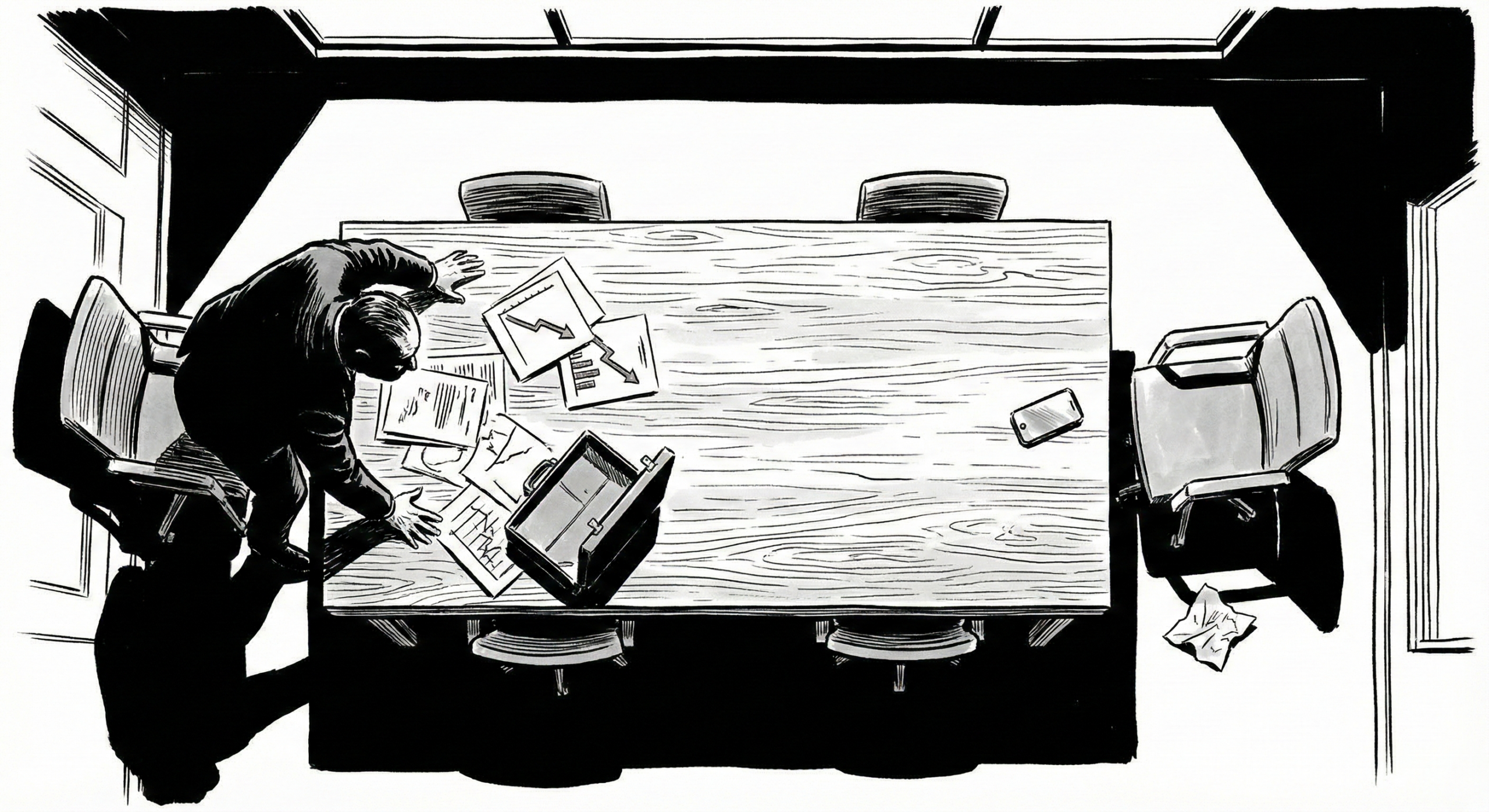
Team pipeline review this morning. One of my senior reps – let’s call him Mike – was sharing an enterprise deal he’s been working for six weeks. Big logo. The kind of deal that makes a quarter.
He played a recording of his latest discovery call.
And I watched sales pressure destroy the deal in real-time.
The Discovery Call That Followed Every Best Practice
Mike was doing everything right. Textbook discovery. He asked about pain points, probed for impact, tried to quantify the cost of the problem.
“What’s this costing you today?”
“Who else is affected by this issue?”
“What happens if you don’t solve this in the next quarter?”
Good questions. The questions every sales methodology tells you to ask. SPIN. Challenger. Sandler. They all teach some version of these discovery questions.
But here’s what I noticed: every question landed like a shove. And with each shove, the buyer leaned back a little further.
Why Buyers Go Silent: The Warning Signs
I could hear buyer resistance building in real-time. The responses got shorter. More guarded. She started saying “I’d have to check on that” and “I’m not sure I have that number.”
Translation: I’m done sharing with you.
Every experienced rep knows these signals. We just explain them away. Bad timing. Wrong contact. Budget freeze. We blame everything except the obvious: our approach created the resistance.
Then Mike went for the close. Asked about next steps. Tried to get the CFO on a call.
The buyer said she’d “need to discuss internally” and would “circle back next week.”
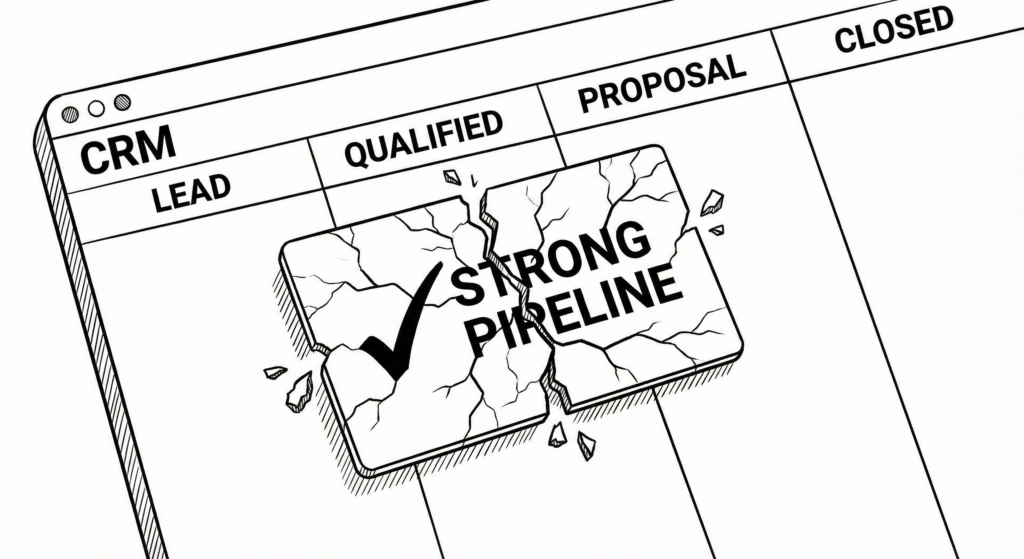
Mike marked it as “strong pipeline” in the CRM.
I’ve been doing this long enough to know what “circle back next week” means. That deal is dead. She just hasn’t told him yet.
When Good Sales Questions Create Buyer Resistance
A week ago I wrote about my 3 AM theory – that maybe we create resistance every time we push. That the harder we work a deal, the harder the buyer works to escape.
Today I watched it happen.
Mike wasn’t being aggressive. He wasn’t pushing too hard in any obvious way. He was being a professional salesperson. Following the playbook. Doing his job.
And the playbook killed the deal.
Every “good” discovery question created pressure. Every attempt to “advance the sale” made the buyer retreat. The more value he tried to demonstrate, the less she wanted to hear.
Why Traditional Sales Methodologies Fail Modern Buyers
Here’s what’s keeping me up tonight: Mike is good. He’s one of my best. If the playbook doesn’t work for him, who does it work for?
Maybe the answer is: it used to work. When buyers had no other way to get information. When they needed us to show up and explain things. When the seller controlled the process.
But that’s not the world we sell in anymore.
Today’s B2B buyers have already done their research. They’ve talked to peers. They’ve seen the G2 reviews and the pricing pages and the competitor comparisons. Studies show buyers complete 70-80% of their journey before they ever talk to sales.
They don’t need us to educate them. And when we try anyway, we’re not adding value.
We’re adding pressure. And pressure creates resistance.
I need to figure out what the alternative looks like. Because right now, all I have is a theory and a dead deal.
The Old Way Is Dead.
57% miss quota. 40-60% lost to "no decision." The System is broken. This is the fix.
Instant access. No spam. Unsubscribe anytime.