The Stack
I’ve been carrying something for fifteen years.
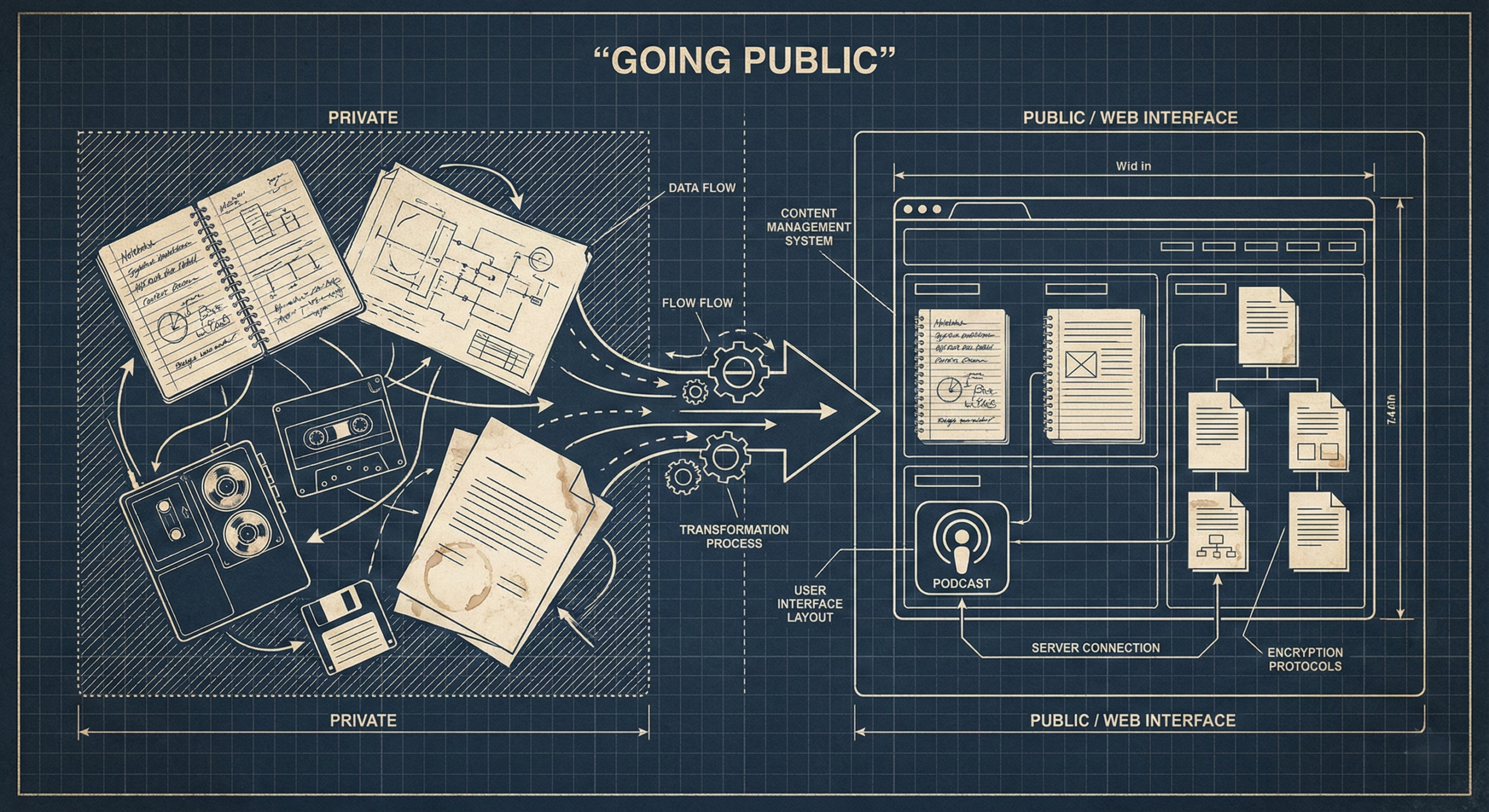
Notebooks filled with observations from deals I’ve worked. Margins scribbled with patterns I noticed in colleagues who consistently outperformed. Highlighted passages from psychology research that explained behaviors I’d seen but couldn’t articulate. Spreadsheets tracking win rates, loss patterns, and the moments deals actually died versus when we found out they were dead.
Hundreds of deals dissected. Wins analyzed. Losses autopsied. Every moment the playbook worked and every moment it completely failed – documented.
I didn’t set out to build a methodology. I set out to understand why the things I was taught kept failing – and why certain people seemed immune to the failure.
What started as personal survival became a collection. The collection became a pattern. The pattern became a thesis.
And the thesis has been sitting in boxes and hard drives and scattered notes for too long.

The Problem
Every year, the numbers get worse.
57% of reps miss quota. 80% of deals end in “no decision.” Cold email reply rates have collapsed to under 6%. The average number of touches required to reach a decision-maker has tripled in a decade.
And every year, the industry responds with the same answer: more. More calls. More emails. More sequences. More technology. More activity metrics.
Nobody is questioning whether the fundamental approach is broken.
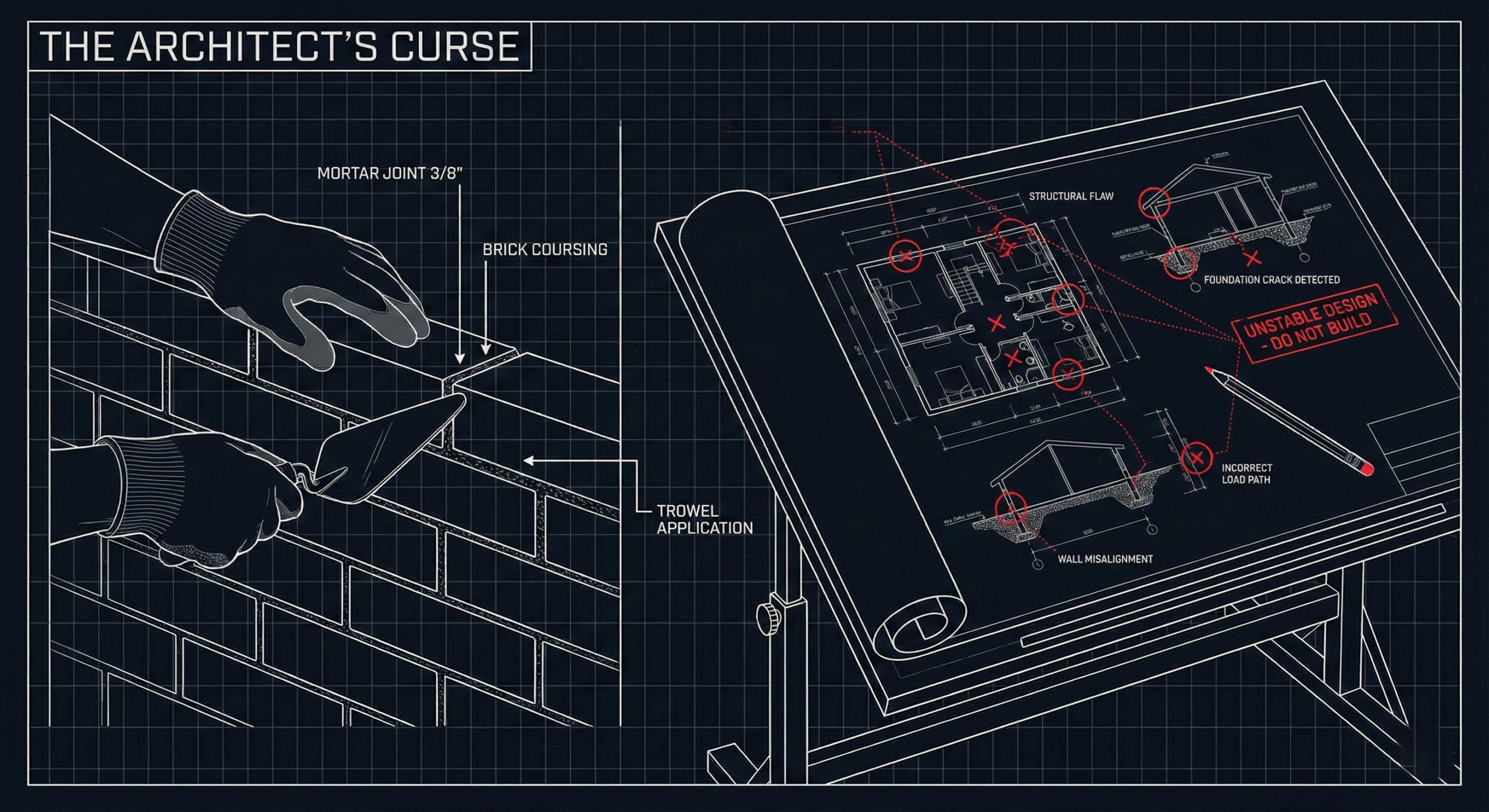
The methodologies being taught today – SPIN, Challenger, Sandler, MEDDIC – were built for a world where sellers controlled information. A world where buyers needed salespeople to understand their options. A world where a meeting was the only way to learn about a solution.
That world is gone.
Today’s buyers complete 70% of their decision before they ever talk to sales. They’ve read your website, your reviews, your competitors’ case studies. They’ve talked to their network. They’ve formed opinions.
They don’t need you for information. They have more information than your pitch deck.
We’re running 1950s qualification frameworks through 1988 questioning models using 2011 volume tactics – and wondering why we’re hitting 43% of quota.
The Decision
This year, I’m making a commitment.
I’m taking everything I’ve collected – fifteen years of field notes, observations from some of the best sellers I’ve worked alongside, research from behavioral economics and decision science, data from hundreds of deals – and I’m building something structured. Something teachable. Something the industry can actually use.
Not another set of talk tracks. Not another acronym to memorize. Not another methodology built on assumptions that stopped being true two decades ago.
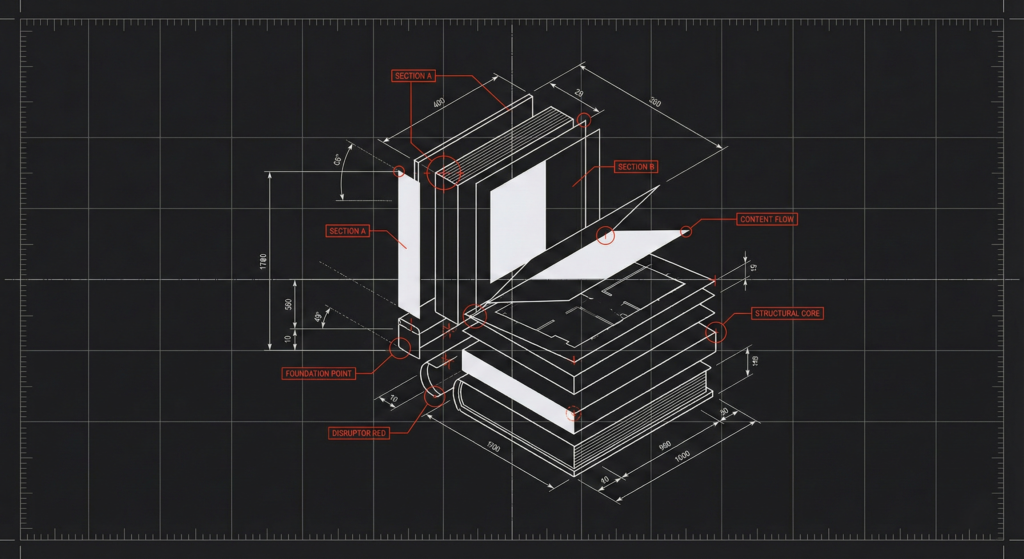
A complete operating system for how selling actually works in buyer-controlled markets.
I’m calling it Inversion Selling.
What’s Coming
Over the coming months, I’ll be sharing the frameworks as I formalize them.
A methodology built on behavioral science that explains why the old playbook fails – and what actually works in buyer-controlled markets.
And eventually – a book. The complete system, from first principles to execution.
I don’t know exactly how long this will take. Building something comprehensive takes time, and I’m committed to getting it right rather than getting it fast.
But today marks the start.
Why Now
Because I’ve watched too many talented people fail using systems designed for a world that no longer exists.
Because I’ve sat in too many forecast calls where the numbers were fiction and everyone in the room knew it.
Because the gap between how buyers actually behave and how we’re trained to sell has become a canyon – and it’s only getting wider.
And because I’ve proven, in hundreds of my own deals and in coaching others, that there’s a different way. A way that matches how modern buyers actually make decisions.
The patterns are clear. The science backs them up. The old way is dead.
It’s time to build the replacement.
First Access. No Spam.
The waitlist exists for one reason: to tell you when the methodology drops. That's it.
Instant access. No spam. Unsubscribe anytime.