In 1992, a film called Glengarry Glen Ross introduced the world to Alec Baldwin’s seven-minute masterclass in sales motivation. “A-B-C,” he snarled at a room of desperate real estate salesmen. “A – Always. B – Be. C – Closing. Always be closing.”
The scene became iconic. The phrase became doctrine. Sales floors across America adopted it as gospel. Managers printed it on posters. Trainers built entire methodologies around it. “Always Be Closing” became the unofficial motto of an entire profession.
There’s just one problem: the scene was written as a warning, not a playbook.
The Satire That Became Scripture
David Mamet wrote Glengarry Glen Ross as an indictment of American sales culture – a dark portrait of what happens when human beings are reduced to quota-chasing machines. Baldwin’s character wasn’t a hero. He was the villain. The salesmen he berated weren’t lazy failures who needed motivation. They were victims of a system designed to extract maximum effort through manipulation and fear.
The sales profession took a cautionary tale about toxic manipulation and turned it into a motivational poster.
And for a while, it worked. In 1992, buyers had limited options. Information asymmetry favored sellers. If you wanted to learn about a product, you talked to a salesperson. If you wanted to compare solutions, you scheduled demos. The buyer was captive, and persistent closing pressure could eventually wear them down.
That world is gone.
The Buyer Who No Longer Exists
According to Gartner, B2B buyers now complete 70-80% of their buying journey before they ever engage with a sales representative. They’ve read the reviews. They’ve compared the features. They’ve watched the demo videos. They’ve talked to peers in their network. By the time they agree to a discovery call, they often know more about your product than your SDRs do.
This fundamentally changes the power dynamic. The 1992 buyer needed the salesperson for information. The 2024 buyer needs the salesperson for… what, exactly? Validation? Pricing? A checkbox on the procurement process?
When you “always be closing” on a buyer who doesn’t need you for information, you’re not demonstrating persistence. You’re demonstrating desperation. And modern buyers can smell desperation like sharks smell blood.
The Data on Pressure

The research on sales pressure is unambiguous – and damning.
A 2021 study by HubSpot found that only 3% of buyers trust sales representatives. Three percent. That’s not a trust deficit – that’s a trust collapse. And every “just checking in” email, every “circling back” call, every “wanted to see if you had any questions” voicemail reinforces why that number is so low.
Gong’s analysis of millions of sales calls found that win rates decline as seller talk time increases. The more you talk, the less you win. Yet “Always Be Closing” is fundamentally a talking strategy – pitch harder, handle objections faster, close more aggressively. The data says the opposite approach wins.
LinkedIn’s State of Sales report revealed that 88% of buyers will only engage with salespeople who they perceive as “trusted advisors.” Not closers. Not pitchers. Not people who are “always” trying to get them to sign something. Trusted advisors.
The ABC mentality doesn’t create trusted advisors. It creates transactional pests.
The Psychology of Resistance
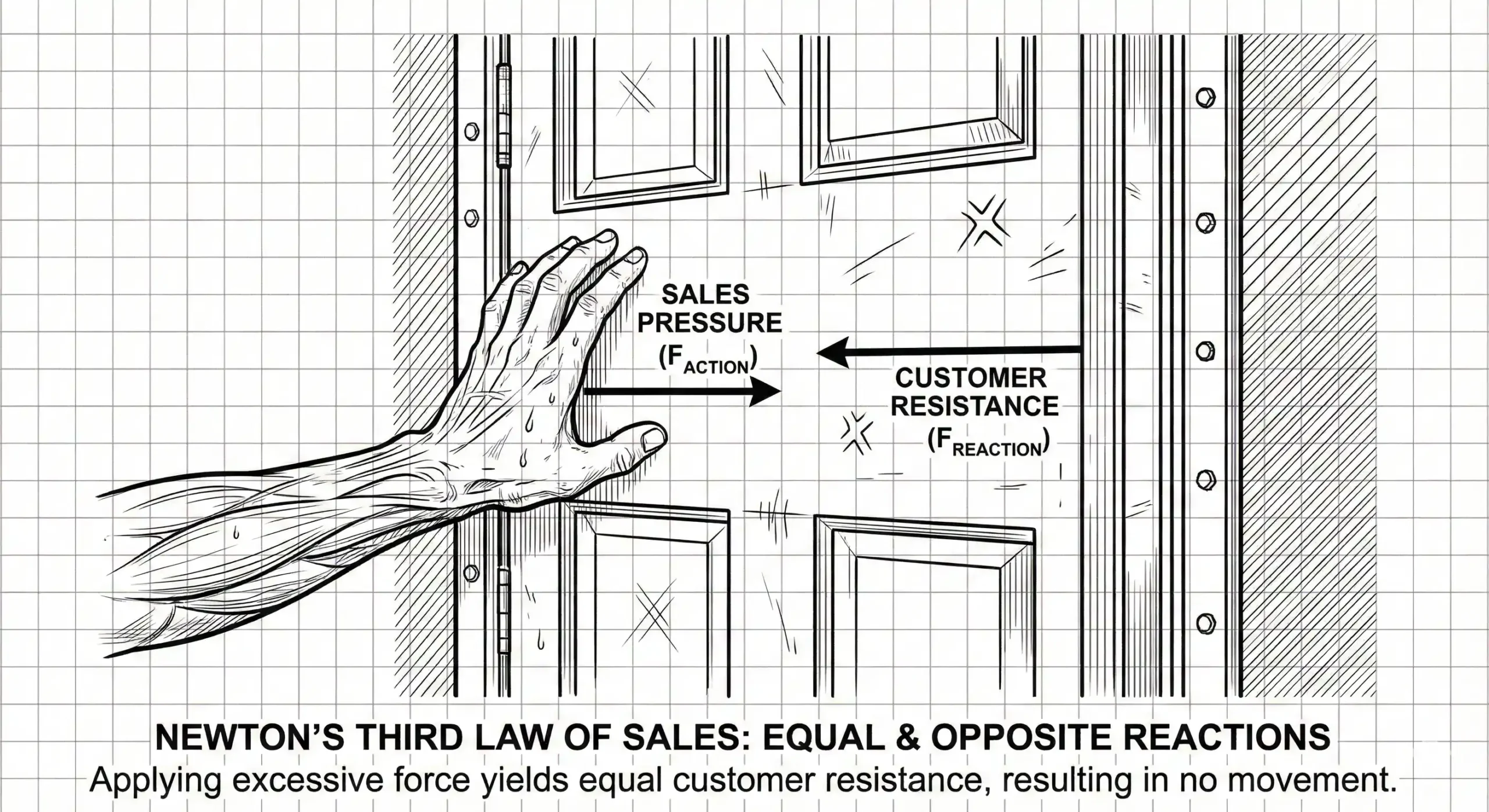
In 1966, psychologist Jack Brehm introduced Reactance Theory – the finding that when people feel their freedom of choice is threatened, they instinctively push back to regain control. The harder you push, the harder they resist. It’s not stubbornness. It’s biology.
“Always Be Closing” is a reactance-triggering machine. Every closing technique is a freedom threat. Every trial close is a pressure signal. Every assumptive close is a manipulation that sophisticated buyers recognize instantly.
And once reactance triggers, the deal is wounded – sometimes fatally. The buyer doesn’t just resist the current close attempt. They resist you. They resist your company. They resist the entire decision. What could have been a legitimate opportunity becomes a psychological battleground where the buyer’s primary goal is no longer solving their problem – it’s preserving their autonomy.
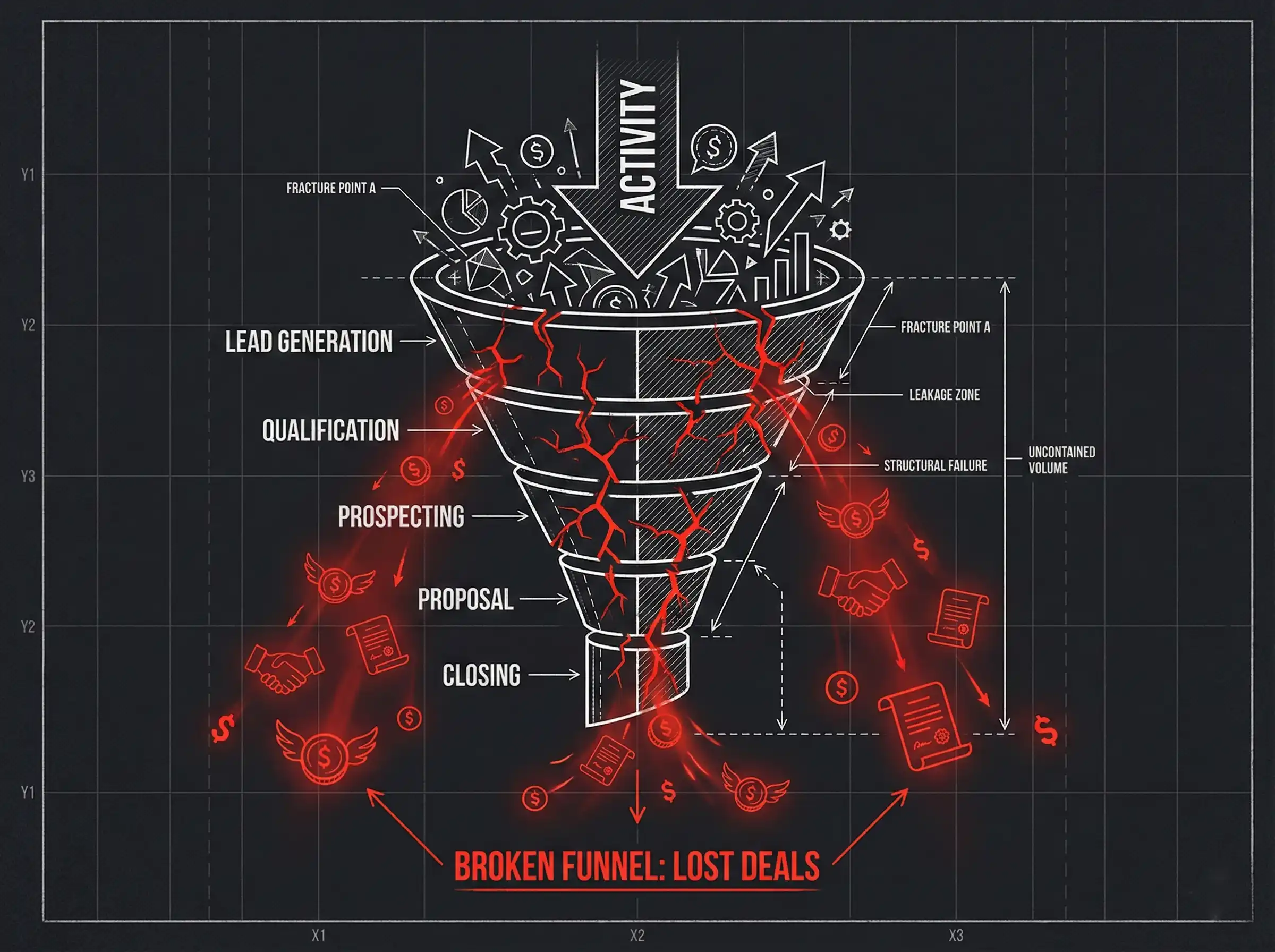
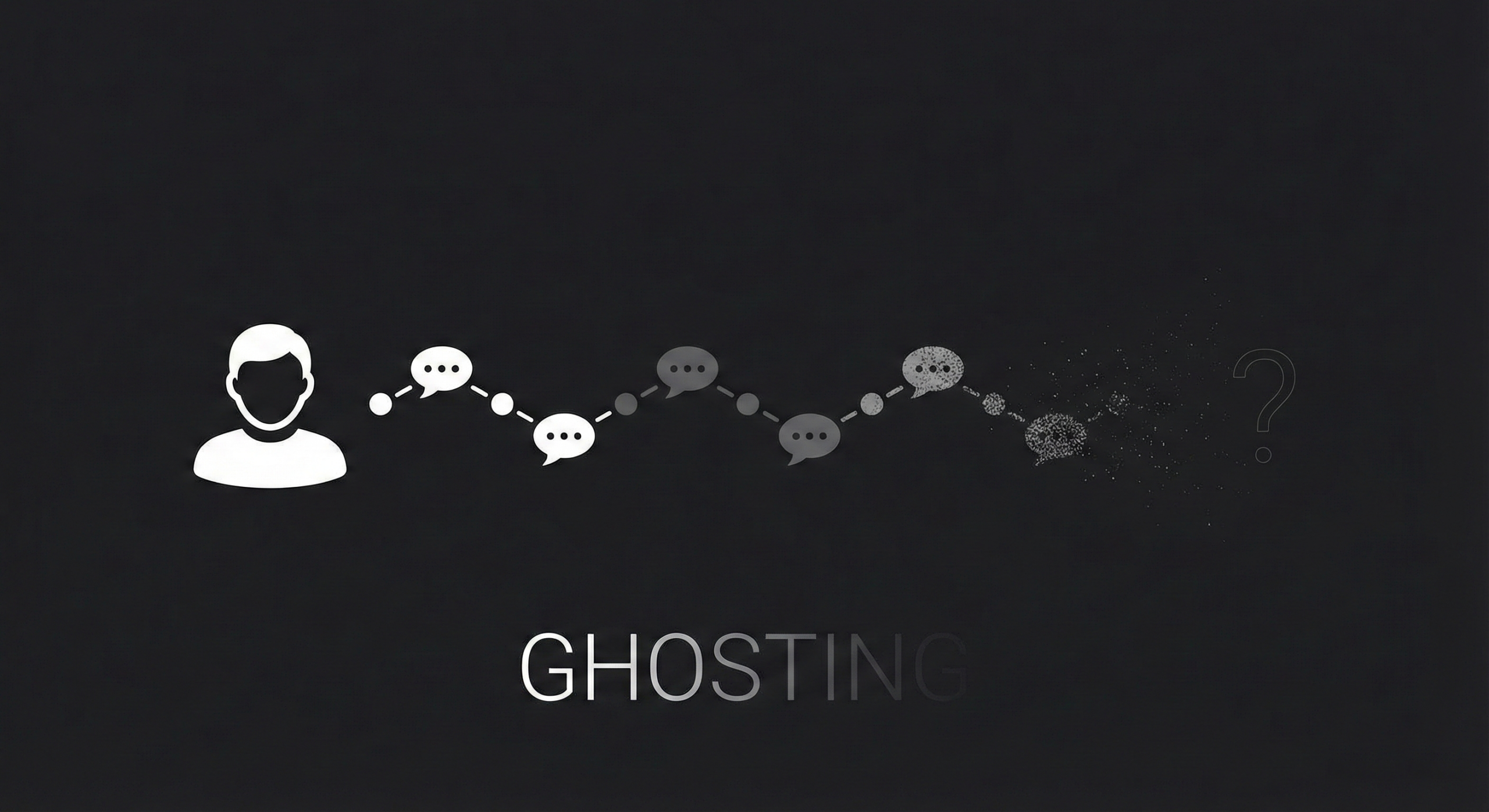
This is what’s happening in your pipeline right now. Deals that should close aren’t closing. Buyers who admitted pain are going dark. Forecasted revenue is evaporating. And the traditional response – more activity, more pressure, more closing – is accelerating the collapse.
The Activity Trap
“Always Be Closing” doesn’t just fail with buyers. It corrupts the entire sales organization.
When closing is the primary metric, activity becomes the proxy. More calls. More emails. More demos. More proposals. The CRM fills with “opportunities” that aren’t opportunities. The pipeline bloats with deals that will never close. Forecasts become fiction written by optimistic reps who’ve been trained to believe that persistence eventually wins.
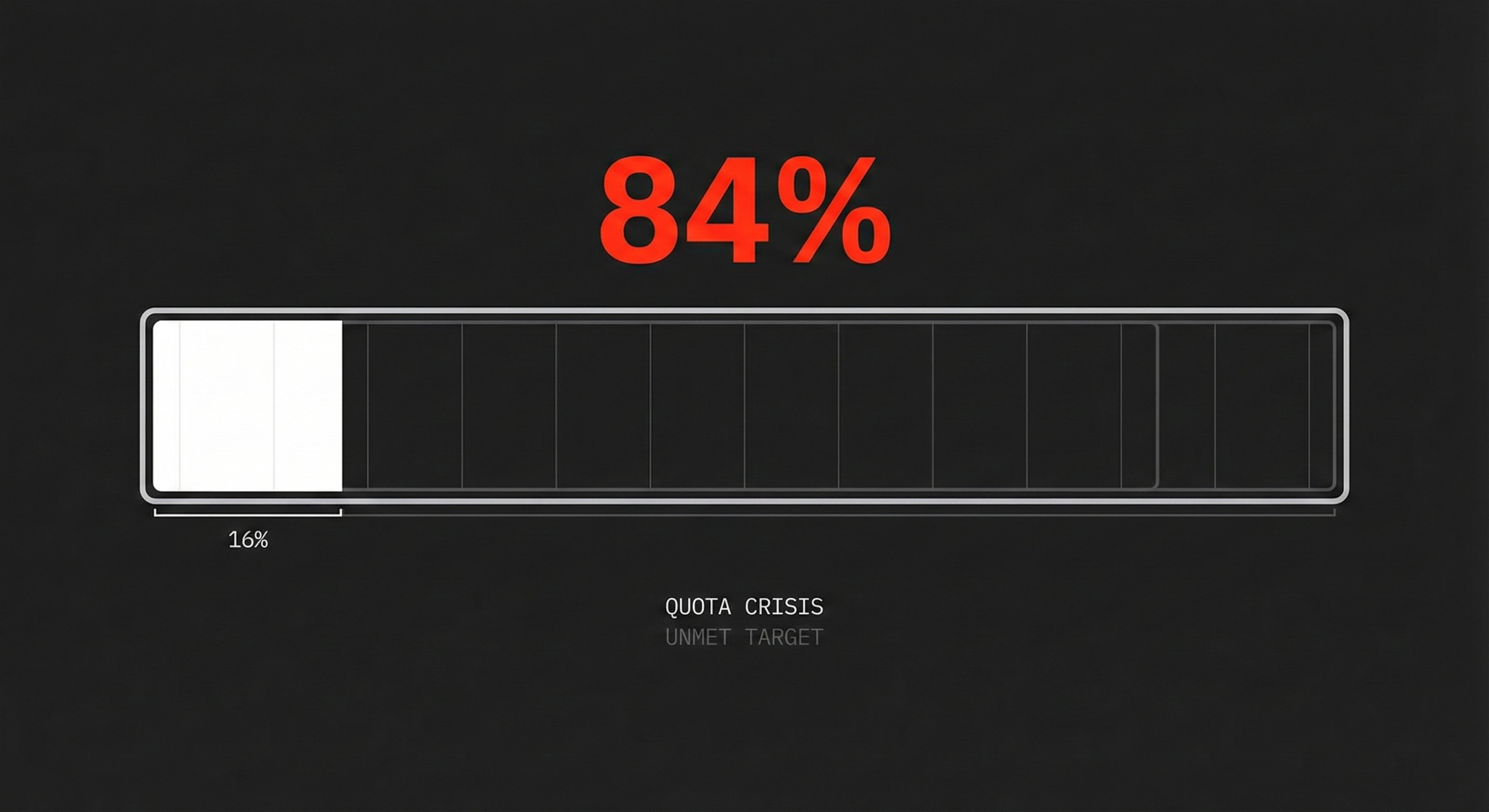
CSO Insights reports that average quota attainment has declined for years, even as sales technology has exploded. We have better CRMs, better engagement platforms, better data, better automation – and worse results. The tools aren’t failing. The philosophy is failing.
The ABC mentality measures effort instead of outcome. It rewards motion instead of progress. It fills calendars with activity that feels productive but produces nothing except exhausted sellers and annoyed buyers.
Meanwhile, the best deals – the ones that actually close, at full price, on schedule – don’t look like ABC at all. They look like conversations between equals. They look like buyers who are convinced they discovered the solution themselves. They look like urgency that comes from the buyer, not manufactured by the seller.
The Uncomfortable Question
If “Always Be Closing” worked, quota attainment would be rising. Pipeline conversion would be improving. Forecast accuracy would be increasing. Sellers would be thriving.
Instead, we see the opposite on every metric.
So why does the profession cling to it? Why do sales managers still quote Baldwin’s speech in team meetings? Why do training programs still teach closing techniques designed for a buyer who hasn’t existed in decades?
Because the alternative is terrifying. The alternative means admitting that the system is broken. That the playbooks are wrong. That the metrics reward the wrong behaviors. That everything sellers were trained to do – the persistence, the objection handling, the relentless pressure – isn’t just ineffective. It’s counterproductive.
It’s easier to blame the rep than question the religion.
What Comes Next
The first step is seeing the problem clearly. “Always Be Closing” isn’t just outdated advice – it’s a philosophy built for a buyer who no longer exists, validated by data that no longer applies, and perpetuated by an industry that profits from selling the cure to the disease it created.
The next step is harder: unlearning everything you were taught and discovering what actually works when buyers control the process.
You're Not Broken. The System Is.
Stop blaming yourself for results the methodology was designed to produce.
Instant access. No spam. Unsubscribe anytime.