I lost a deal last week that’s been haunting me.
Not because we lost – I lose deals all the time. That’s sales. What’s haunting me is how we lost.
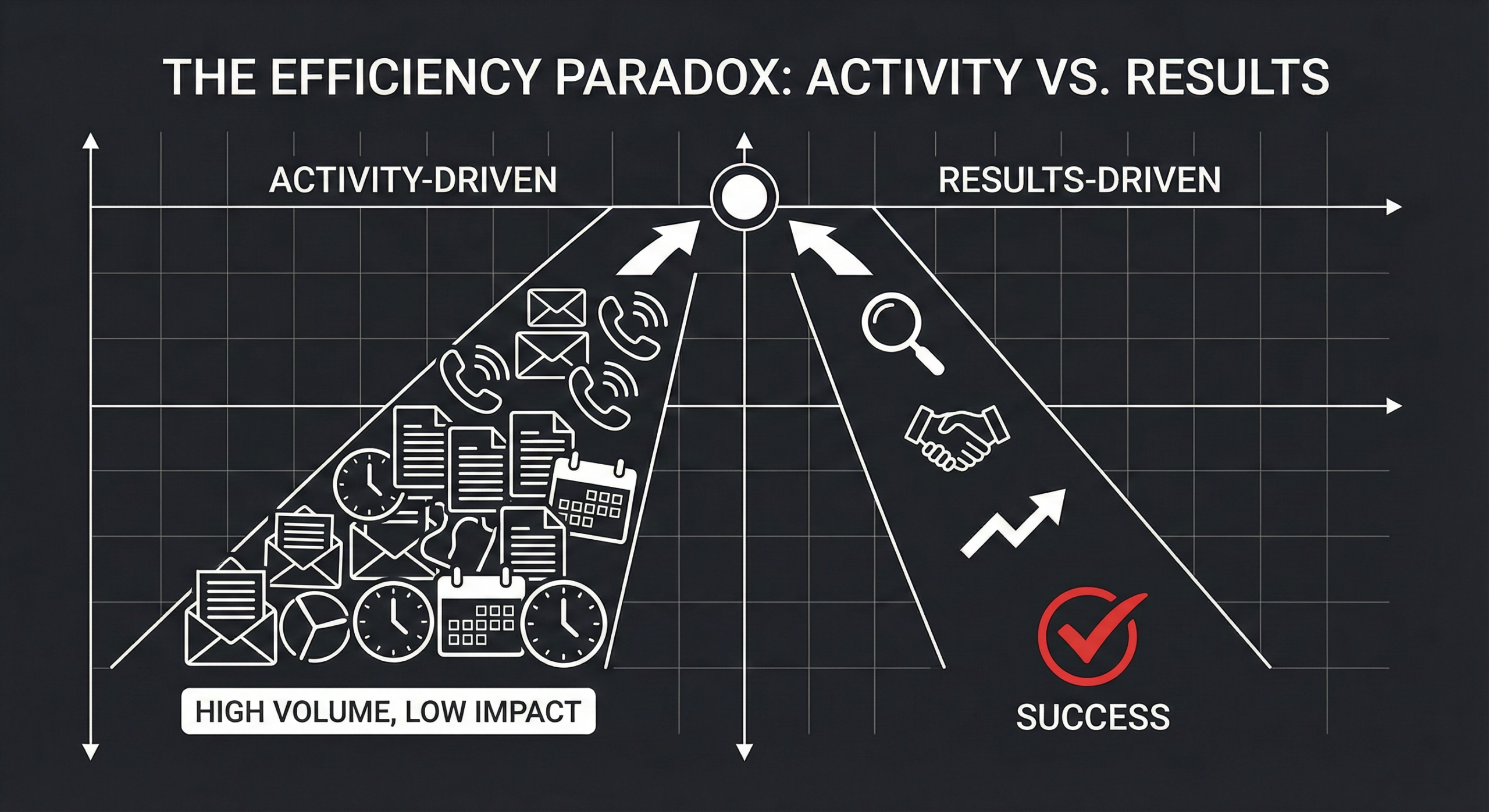
We did everything right. By every traditional measure, we outworked the competition. More demos. More discovery calls. More follow-ups. More case studies shared. More stakeholders engaged.
And we still lost.
The competitor who won? I finally got the post-mortem from our champion. What he told me has me questioning everything.
What We Did: The Textbook Approach
Let me walk through our engagement on this deal.
Initial discovery call – 45 minutes. Great rapport. Identified three key pain points. Mapped the buying committee. Got access to the VP.
Follow-up demo – customized to their use case. Brought in a solutions engineer. Showed ROI projections. Left them with a business case document.
Second demo for the broader team. Then a technical deep-dive. Then a call with a reference customer. Then a pricing discussion. Then a proposal review.
Total touchpoints over 8 weeks: 14 calls, 23 emails, 4 documents shared.
I was proud of this engagement. My manager was proud. We were doing everything the playbook said to do.
What the Competitor Did: Almost Nothing
Here’s what I learned from our champion after the decision:
The competitor had one discovery call. One. They asked hard questions about what the problem was costing the company. They made the buyer do math on the call – actual calculations of the gap between where they were and where they needed to be.
Then they sent a short proposal. One page. No ROI calculator. No fancy business case. Just: “Based on what you told us, here’s what we do and what it costs.”
Total touchpoints: 3 calls, maybe 6 emails.
Half our activity. A fraction of our effort.
And they won.
What Our Champion Said That Stopped Me Cold
I asked our champion why. I needed to understand.
He paused for a moment. Then he said something that’s been echoing in my head for days:
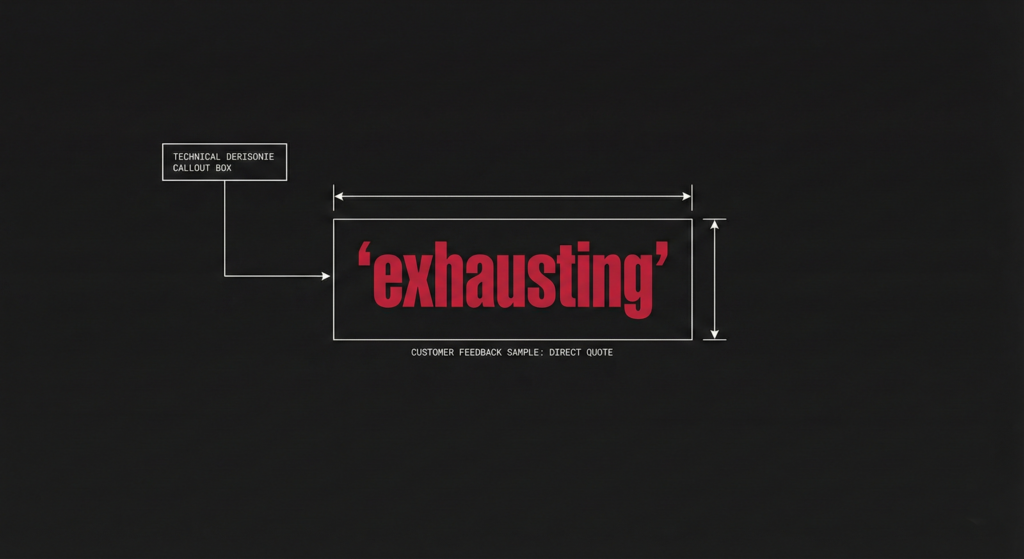
“Honestly? You guys were exhausting. Every time I turned around there was another call to schedule, another document to review, another stakeholder you wanted to meet. It started to feel like a part-time job just evaluating your solution.”
He continued: “The other vendor was… easier. They asked us the hard questions upfront, we did the work to figure out if this was a real priority, and then they just let us decide. There was no pressure. No endless cycle of calls. It felt like they trusted us to make the right choice.”
Then the line that wrecked me:
“By the end, I wanted them to win. Not because their product was better – honestly, yours might have been. But because working with them felt like what working with them would actually be like. And working with you felt like a preview of a very demanding relationship.”
The Uncomfortable Pattern I’m Seeing
This isn’t the first time I’ve heard something like this. But it’s the first time I’ve really listened.
I’ve been taught that more activity equals more pipeline momentum. More touches equals stronger relationships. More demos equals more stakeholder buy-in.
But what if that math is wrong?
What if every additional touchpoint isn’t adding value – it’s adding friction? What if every extra demo isn’t building confidence – it’s creating fatigue? What if every follow-up email isn’t showing persistence – it’s signaling desperation?
The competitor who won didn’t outwork us. They out-trusted us. They asked better questions upfront, made the buyer own the problem, and then got out of the way.
We were so busy proving our value that we forgot to let the buyer feel their own urgency.
What I Think Was Really Happening
Looking at this through the lens of everything I’ve been reading about psychology and buyer behavior, I think I understand what happened:
Our activity triggered reactance. Every touchpoint was pressure. Every email was an obligation. The buyer’s natural response was to pull away.
The competitor created space. That space let the buyer move toward them rather than away from us. The desire to buy was intrinsic, not extracted.
We built our ROI case. The competitor made the buyer build their own. When the internal champion defended the decision to leadership, he was defending his own conclusion – not regurgitating our sales materials.
We tried to create urgency through activity. The competitor let urgency emerge from the buyer’s own recognition of what the problem was costing them.
Everything I’ve been theorizing about – inverse relationships, loss aversion, buyer ownership – it was all playing out in real-time. And I was on the wrong side of it.
What I’m Going to Do Differently
I don’t have this figured out yet. But I know I need to change.
More activity isn’t the answer. Better first conversations might be.
More demos aren’t the answer. Making the buyer own the math might be.
More follow-ups aren’t the answer. Creating space for the buyer to move toward us might be.
I’ve got two active deals right now where I’ve been pushing hard. Lots of activity. Lots of touchpoints. I’m going to try something different. I’m going to pull back. Ask harder questions. Let them come to me.
It feels terrifying. Every instinct says push harder. But my instincts just lost me a deal to someone who barely tried.
Time to trust the theory.
57% of Reps Miss Quota.
Same training. Same playbook. Same results. Maybe it's not the reps.
Instant access. No spam. Unsubscribe anytime.