If you’ve spent any time in sales, you’ve probably heard of Robert Cialdini. His 1984 book “Influence: The Psychology of Persuasion” is basically required reading. The six principles – reciprocity, commitment, social proof, authority, liking, scarcity – get referenced in every sales training I’ve ever attended.
Cialdini got a lot right. But I’ve been thinking about what he missed, or at least what gets lost when salespeople try to apply his research.
What Cialdini Got Right
First, credit where it’s due. Cialdini’s six principles are real. They’re backed by decades of research. They describe actual patterns in human decision-making.
Reciprocity: When you give something, people feel obligated to give back. Real.
Commitment/Consistency: Once people commit to something, they tend to follow through to stay consistent with that commitment. Real.
Social Proof: People look to what others do to determine correct behavior. Real.
Authority: People defer to experts and credible sources. Real.
Liking: People say yes to people they like. Real.
Scarcity: Things become more desirable when they’re less available. Real.
These aren’t manipulation tricks. They’re descriptions of how human brains actually work. Cialdini didn’t invent these patterns – he documented them.
The Problem With Application
Here’s where it gets complicated.
Cialdini’s research was largely based on compliance scenarios – getting someone to say yes to a single request. Door-to-door sales. Charitable donations. One-time transactions.
Complex B2B sales are different. You’re not trying to get a quick yes. You’re building a relationship over months. You’re navigating committees of six to ten stakeholders. You’re creating trust that has to survive procurement scrutiny, legal review, implementation, and ongoing partnership.
The problem is that when Cialdini’s principles get taught in sales training, they often get reduced to tactics:
“Create artificial scarcity: ‘This price is only good until Friday.'”
“Use social proof: ‘Companies like yours are seeing 40% improvements.'”
“Trigger reciprocity: Send them a gift, then ask for a meeting.”
These tactics can work in the short term. But sophisticated buyers see through them. And once they detect manipulation, trust is gone. Often permanently.
Scarcity: The Most Abused Principle
Let me focus on scarcity because it’s the most commonly misapplied.
Cialdini’s research showed that people want things more when those things are scarce. True. The “forbidden toy” experiments, the cookie jar studies – the science is solid.
But then sales training turns this into: “Create urgency! Limited time offer! Price goes up Friday! Only 3 spots left!”
The problem: none of it is real. The buyer knows it’s not real. Everyone knows the price isn’t actually going up Friday. Everyone knows there are more than 3 spots.
When you create fake scarcity, you’re not leveraging a psychological principle – you’re teaching buyers that you lie. The short-term pressure might create a decision, but it also creates resentment and erodes trust.
Real scarcity works. “I have three implementation slots this quarter and two are spoken for” – if that’s true, it’s powerful. Fake scarcity backfires.

What Cialdini Didn’t Address
There are a few dynamics in complex sales that I don’t think Cialdini’s framework captures well:
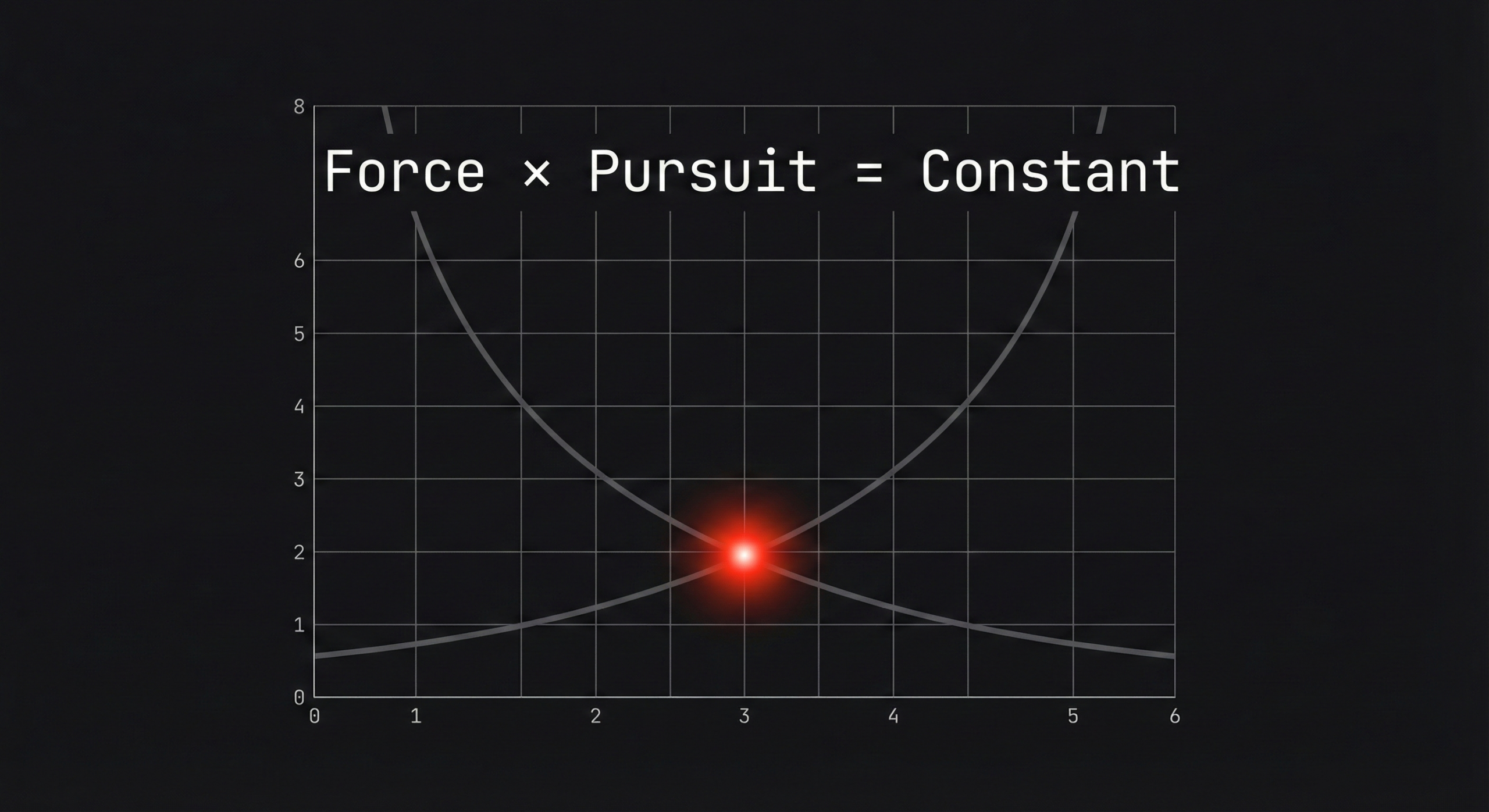
Status dynamics. In B2B, the relative status between buyer and seller massively affects the interaction. Cialdini talks about “authority” but that’s different from the status dance that happens when you’re trying to be seen as a peer rather than a vendor. The psychology of chase – who’s pursuing whom – matters enormously and doesn’t fit neatly into his six principles.
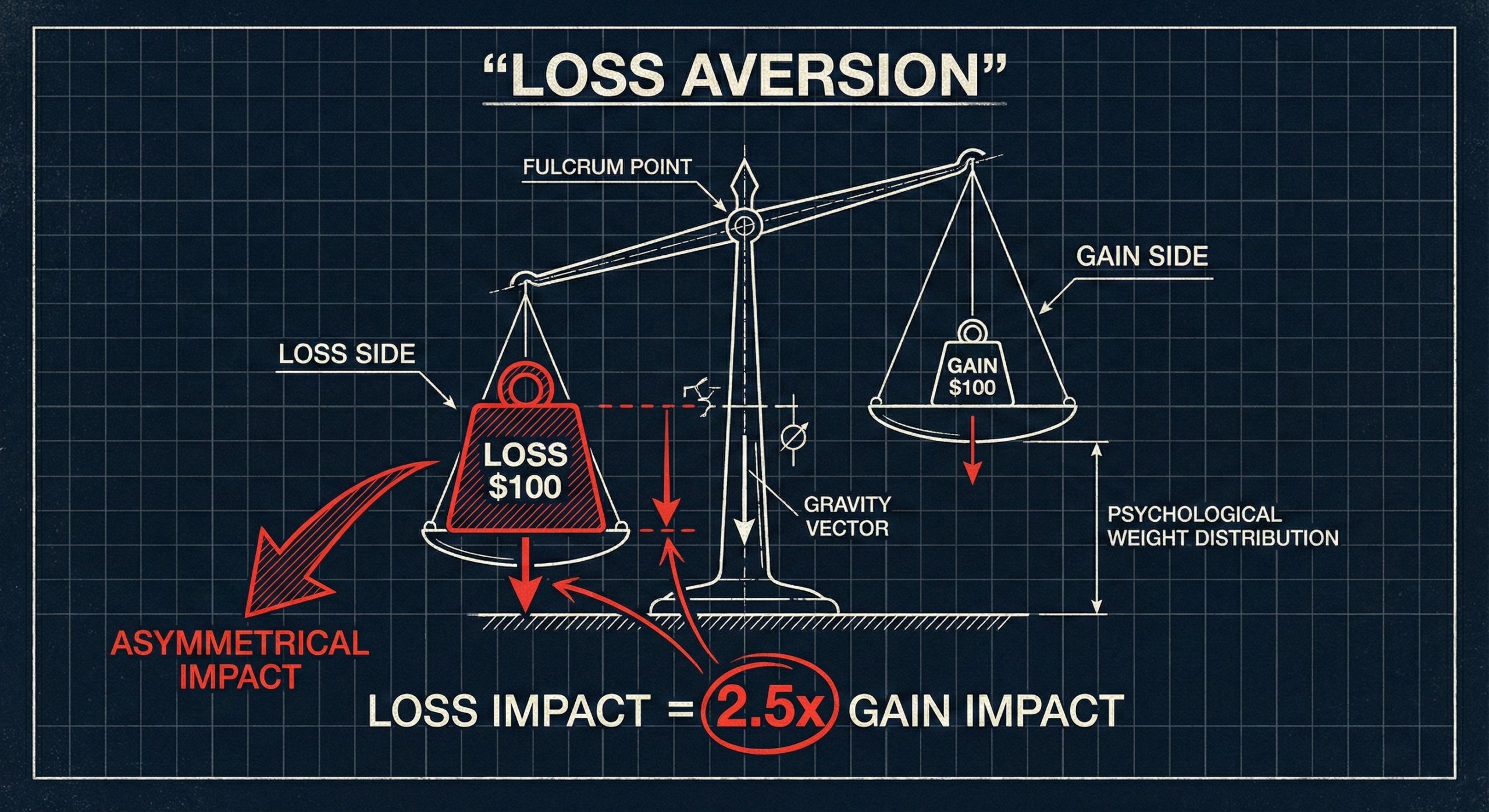
Loss framing. Cialdini touches on scarcity but doesn’t deeply address the Kahneman/Tversky insight about loss aversion. The difference between “here’s what you’ll gain” and “here’s what you’re losing” is profound, and I don’t see it adequately covered in the influence framework.
Reactance. Cialdini’s principles are mostly about how to get compliance. But Brehm’s work on reactance – how pushing triggers resistance – is almost the opposite. Knowing when to back off, when to create space, when to let them come to you. That’s not really in Cialdini.
Self-persuasion. The most powerful persuasion happens when people convince themselves. When they say it out loud. When they own the conclusion. Cialdini’s framework is more about external influence – what you do to them. But the deepest commitment comes from internal influence – what they do to themselves.
How I’m Thinking About It Now
I’ve stopped trying to “apply Cialdini” in the tactical sense. Instead, I’m trying to understand the deeper patterns underneath his principles and the principles from other researchers.
The thread that connects them: people want autonomy, they want to feel competent, they want their decisions to be their own.
When you trigger reciprocity with a genuine gift that has no strings attached, you’re respecting their autonomy. When you fake it, you’re manipulating.
When you demonstrate authority through competence and honesty, you’re helping them make a good decision. When you flash credentials to impress, you’re performing.
When scarcity is real and you communicate it honestly, you’re giving them useful information. When you manufacture it, you’re lying.
Maybe the meta-principle is: influence works when it serves the buyer’s decision-making. It backfires when it serves only your closing.
Cialdini gave us the vocabulary. But the ethics – and the application to complex B2B – that’s still being figured out.

Still Asking the Same Questions?
Join the waitlist if you want to know when the questions finally become answers. Or at least better questions.
Instant access. No spam. Unsubscribe anytime.