In 2011, Aaron Ross published Predictable Revenue. It changed everything.
The book gave us the modern SDR model. Specialized roles. High-volume outreach. Tightly measured metrics. The promise was simple: more activity equals more pipeline equals more revenue. It was math.
For a while, it worked. Companies that adopted the model saw real results. Salesforce scaled it. Hundreds of SaaS companies followed. The SDR function became the engine of B2B growth.
But somewhere along the way, the math stopped working.
Response rates are collapsing. SDR burnout is epidemic. Buyers are hiding. And the industry’s response has been to do more of what’s already failing.
This isn’t a critique of Aaron Ross. He solved a real problem in 2011. But the world Predictable Revenue optimized for no longer exists.
The Numbers Tell the Story
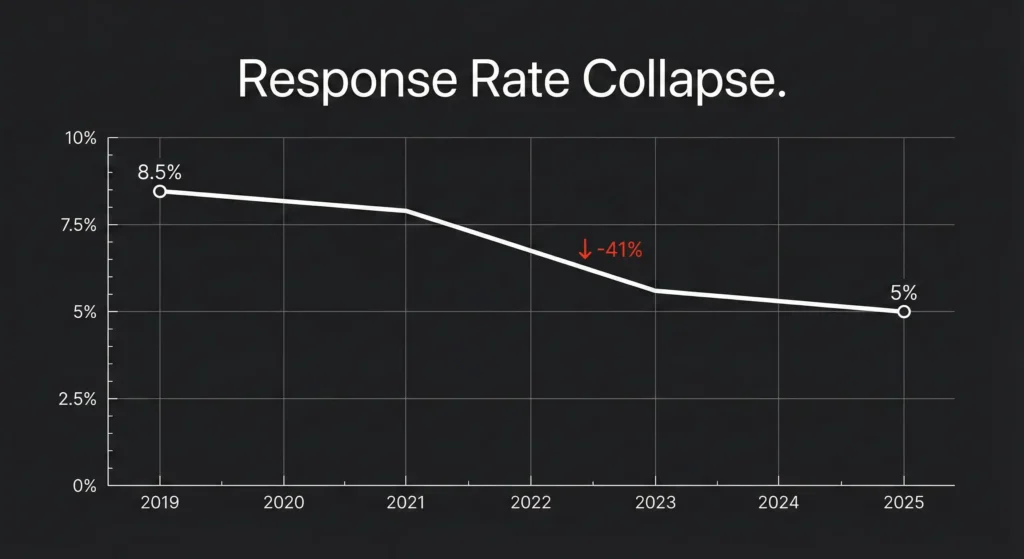
Let’s start with what the data actually shows.
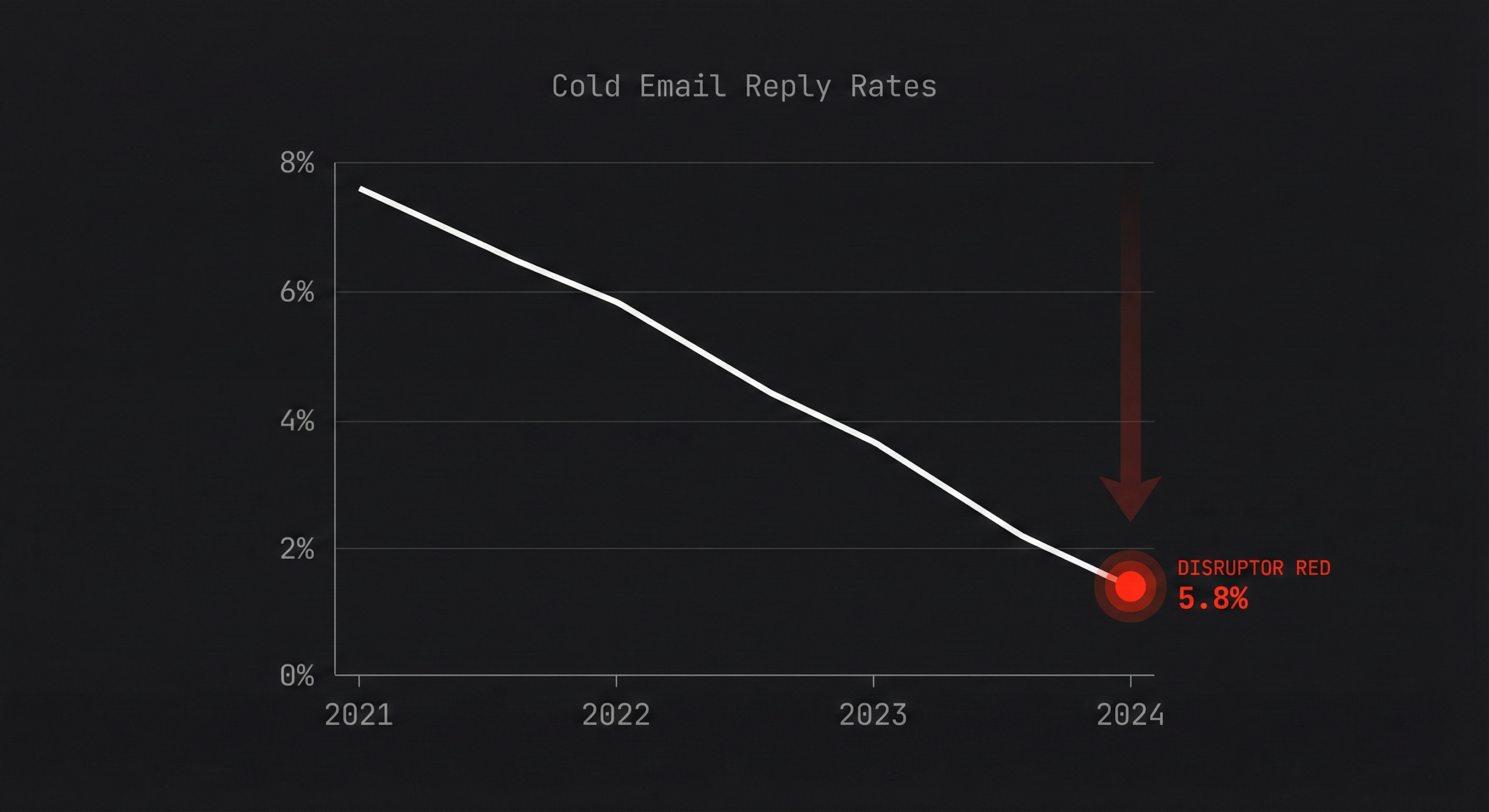
Cold email response rates have dropped from 8.5% in 2019 to 5% in 2025 – a 41% decline in six years. Open rates fell from 36% in 2023 to 27.7% in 2024. Some industry reports now show sub-1% response rates for cold outreach.
The follow-up math is even worse. According to Belkins’ analysis of 16.5 million emails (https://belkins.io/blog/cold-email-response-rates), the third follow-up email now produces 20% fewer responses than it did in 2023. By the fourth follow-up, response rates drop 55%. More emails don’t equal more results – they equal faster unsubscribes and spam complaints.
Meanwhile, SDR turnover runs at 39% annually – more than double the 18% average across all industries. According to The Bridge Group’s research, average tenure is just 15 months. 12% of companies experience SDR attrition above 55% per year. It costs roughly $100,000 to replace each one.
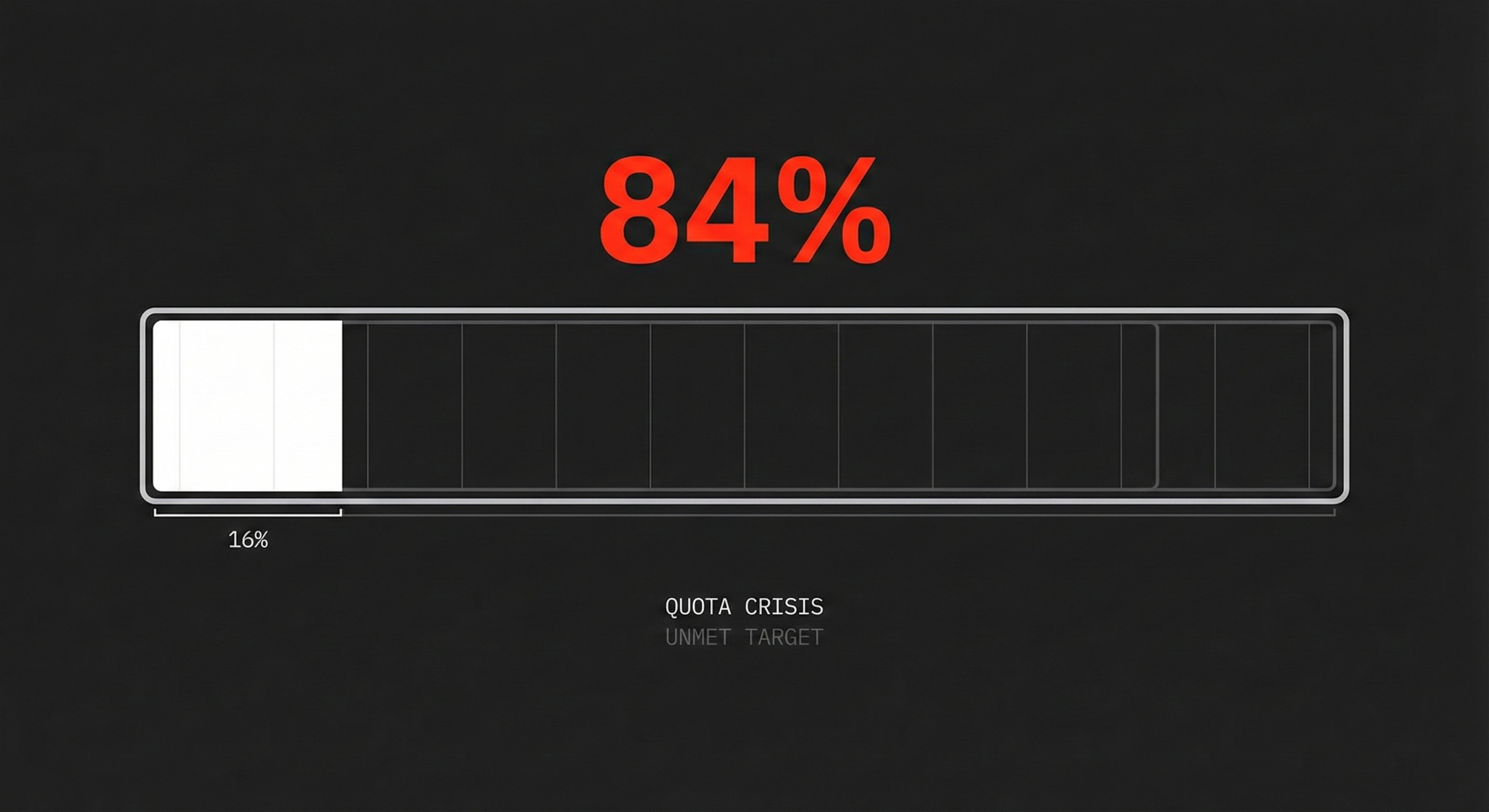
And here’s the number that should alarm every sales leader: 83.4% of SDRs fail to consistently hit quota.
Read that again. More than four out of five SDRs are failing. And the industry’s solution is to hire more of them and increase activity targets.
What Changed Since 2011
Predictable Revenue was published in a different world.
In 2011, buyers needed sellers. Information was scarce. If you wanted to understand a product category, you talked to vendors. The sales rep was the source of knowledge. Getting a cold email from a relevant solution was often genuinely useful.
That world is gone.
Today, buyers complete 70-80% of their journey before engaging sales. They have G2 reviews, peer recommendations, analyst reports, case studies, pricing pages, and free trials. They don’t need a cold call to learn about your product. They can learn everything without talking to anyone.
And they’re drowning in outreach. Decision-makers report receiving 10+ cold emails per week. Every company with their contact information is running the Predictable Revenue playbook. The inbox isn’t just crowded – it’s hostile.
The model that worked when outreach was novel doesn’t work when outreach is noise.
The Activity Trap
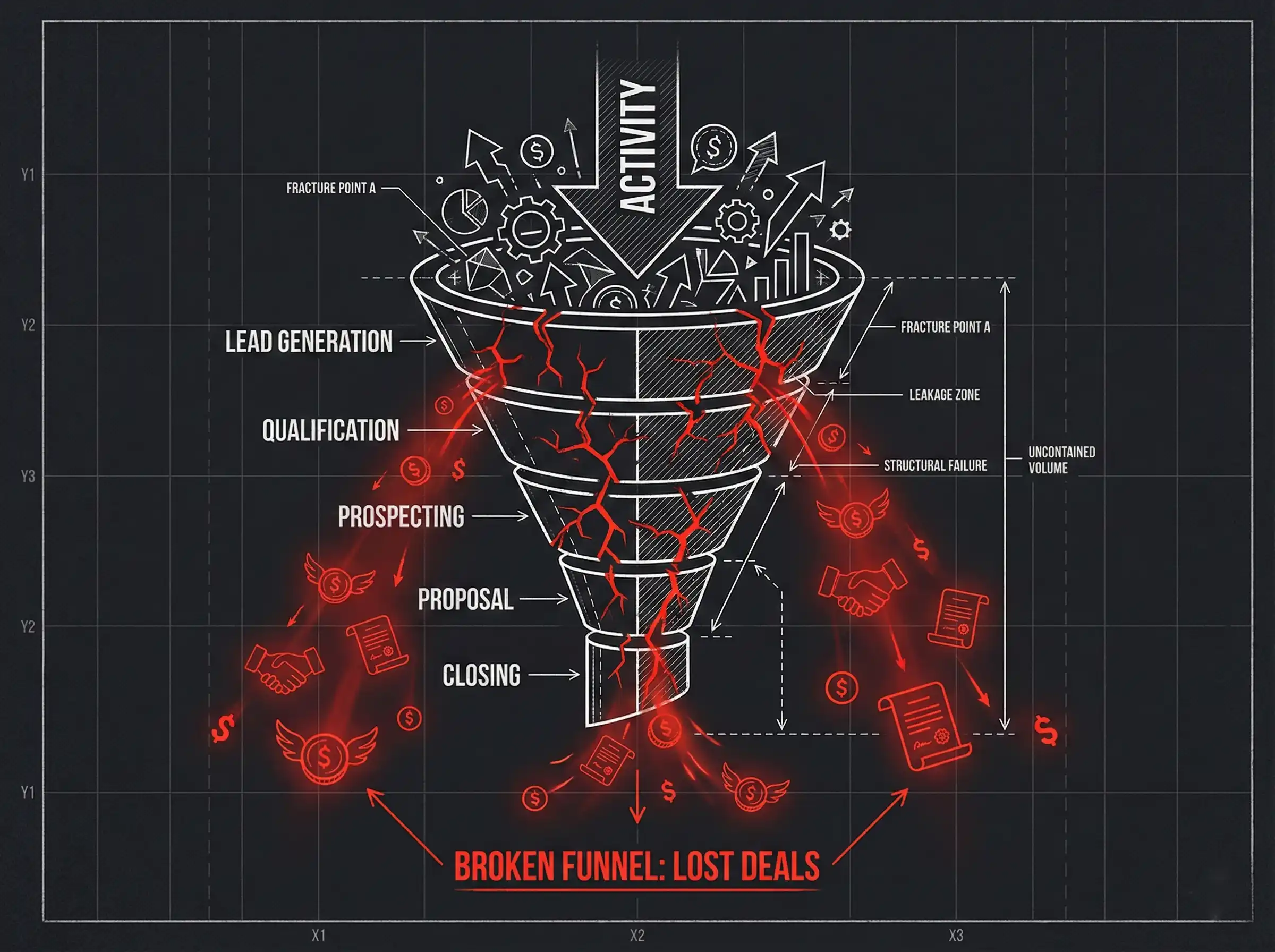
Here’s what Predictable Revenue got wrong: it assumed that activity and results were linearly correlated. Do more, get more.
But the relationship isn’t linear. It’s an S-curve that’s now inverted.
In the early days of cold outreach, more activity did produce more results. The market wasn’t saturated. Buyers were receptive. The math worked.
Then everyone adopted the model. Activity exploded. Buyer tolerance collapsed. And we hit the point of diminishing returns – then blew past it into negative returns.
More emails now produce worse results. More calls now produce more voicemails. More “touches” now produce more spam complaints. The activity that once built pipeline now destroys it.
But the model doesn’t know how to respond to failure except with more volume. When response rates drop, the answer is more sequences. When SDRs miss quota, the answer is more dials. When pipeline is thin, the answer is more activity.
It’s an addiction. And like any addiction, the fix requires ever-increasing doses to produce ever-diminishing effects.
The Human Cost
HubSpot said it plainly (https://blog.hubspot.com/sales/prevent-sdr-burnout): “Ever since Predictable Revenue sent the general B2B sales community into its current evolution – characterized by segmented sales roles, massive activity volume, and tightly measured metrics – the industry has struggled to properly grasp, implement and appreciate the sales development function.”
The SDR role has become a meat grinder.
Fifteen-month average tenure. Forty percent annual turnover. Entry-level reps grinding through 100+ activities a day, getting rejected constantly, burning out before they ever develop real sales skills.
The model treats SDRs as interchangeable inputs. Hire cheap, churn through, replace. The $100K replacement cost is just a line item. The human cost doesn’t appear on the P&L.
And the survivors? They learn that sales is a numbers game where the numbers don’t work. They learn that the way to succeed is to do more of what isn’t working. They learn that their value is measured in activities, not outcomes.
Then they become sales managers. And they teach the next generation the same broken model.
The Buyer’s Revenge
Buyers aren’t passive victims of this onslaught. They’re adapting.
They use email filters that send cold outreach straight to spam. They don’t answer calls from unknown numbers. They complete their evaluation process without engaging vendors until they’re ready.
Google has weaponized spam filters against cold email. The recent crackdown on bulk senders – 0.3% spam complaint threshold – is explicitly designed to choke off the volume model. It’s working.
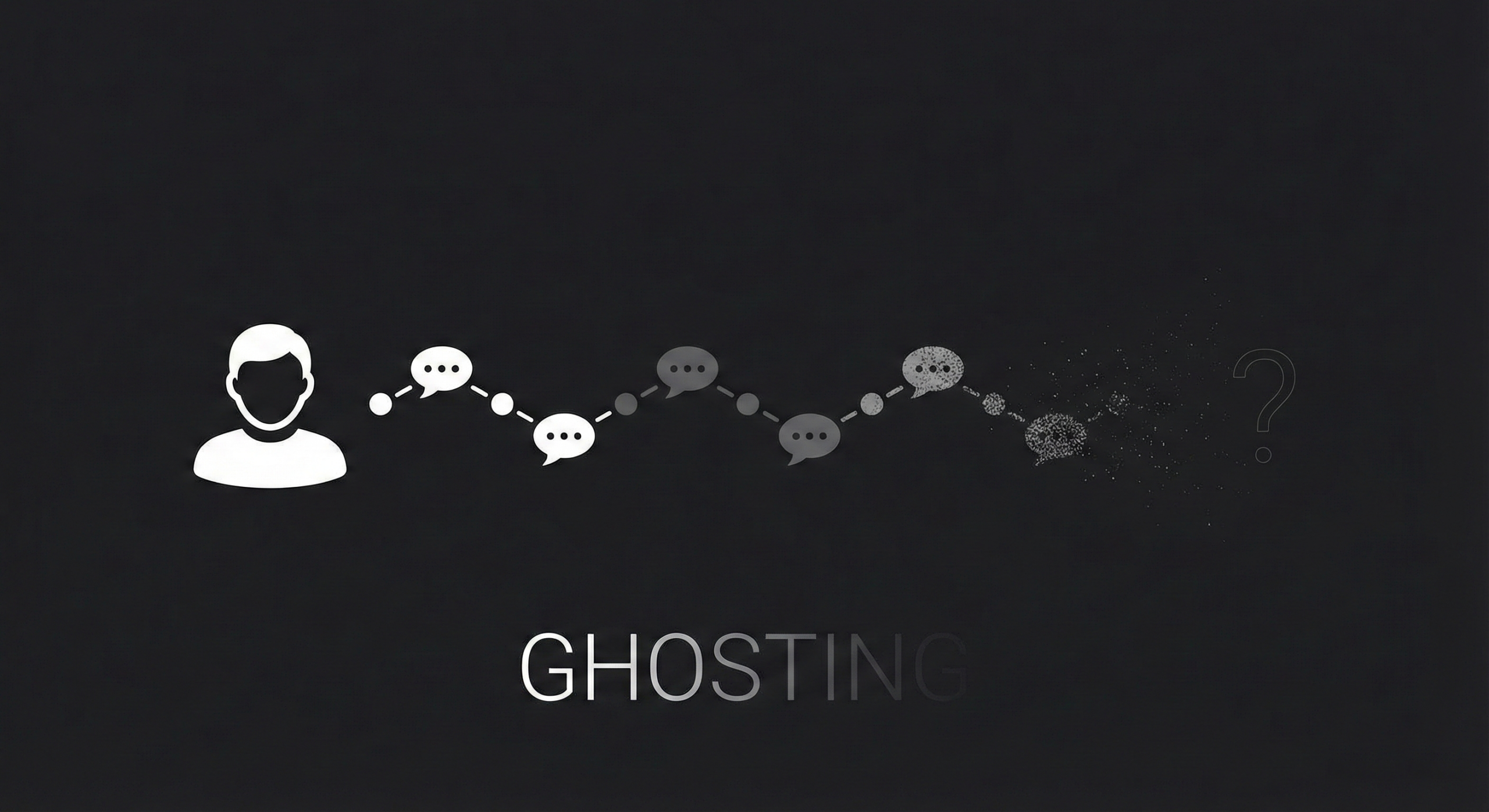
Buyers have learned that engaging with an SDR too early means being added to a sequence they can’t escape. So they don’t engage. They ghost. They go dark. They do everything possible to avoid triggering the machine.
The volume model hasn’t just stopped working. It’s created an adversarial relationship between buyers and sellers. We trained an entire generation of B2B professionals to treat buyers as targets to be bombarded rather than humans to be helped.
The buyers noticed.
The Uncomfortable Question
Here’s what I keep coming back to:
Response rates down 41%. SDR turnover at 39%. More than 80% of reps missing quota. Sub-1% response rates becoming common.
At what point do we admit the model itself is the problem?
Not the execution. Not the messaging. Not the sequences or the cadences or the tech stack. The model.
The assumption that more activity produces more results. The assumption that buyers should be treated as targets for volume outreach. The assumption that sales development is a numbers game where bigger numbers always win.
These assumptions were reasonable in 2011. They’re demonstrably false in 2026.
I don’t have the complete answer yet. But I know that doubling down on volume isn’t it. The math doesn’t work. The buyers don’t respond. The SDRs don’t last.
Something has to change at the foundation level. Not better sequences. Not smarter targeting. Not AI-powered personalization at scale.
A fundamentally different relationship between seller activity and buyer engagement.
I’m working on what that looks like. But first, we have to admit what’s broken.
The volume model is broken. Predictable Revenue gave us a powerful engine for a world that no longer exists. Continuing to run that engine harder isn’t strategy – it’s denial.
The market has already moved on. The question is whether we’ll catch up.
Stop Selling. Start Diagnosing.
Persuasion is dead. The new skill is something else entirely.
Instant access. No spam. Unsubscribe anytime.