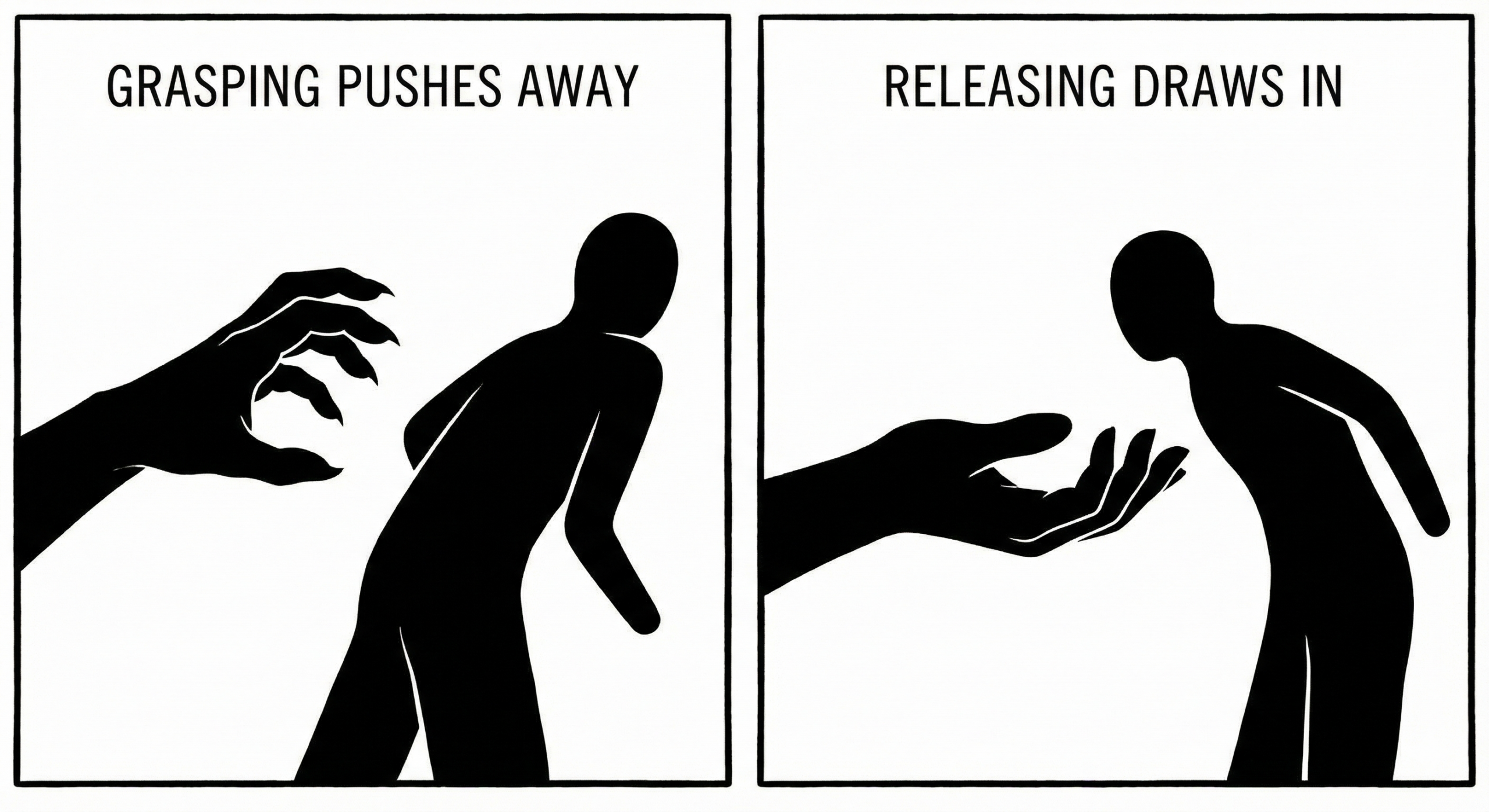
I ran an experiment last week. It felt reckless. It went against every instinct I’ve developed over thirty years.
I had a deal that had been stuck for six weeks. Classic stall. The buyer had gone quiet after a promising pilot. I’d sent four follow-up emails. Left two voicemails. Nothing.
The old me would have pushed harder. Found another angle. Brought in my VP to add pressure. Done something.
Instead, I pulled back.
Here’s what happened.
The Deal Before the Experiment
Quick context. Mid-market company, about 400 employees. We’d run a pilot in February. The results were strong – they saw a 22% improvement in the metrics they cared about.
The champion was enthusiastic. Said he was taking it to his leadership team. Asked for pricing. All the buying signals.
Then nothing.
I followed the playbook. Week one: friendly check-in. Week two: shared a case study. Week three: offered to jump on a call to “address any questions.” Week four: asked if timing had changed.
Each email a little more desperate than the last. Each one met with silence.
By week six, I’d written this deal off. It was sitting in my pipeline like a corpse I hadn’t bothered to bury.
What I Decided to Try
I’d been writing about the inverse relationship between seller effort and buyer engagement. About reactance. About how pushing triggers resistance.
Time to test it.
I sent one more email. But this time, instead of chasing, I did the opposite:
“Hey [name] – I’ve reached out a few times and haven’t heard back. I’m guessing the timing isn’t right, or this has fallen off your priority list. Either way, totally fine. I’m going to close out this opportunity on our end, but if anything changes down the road, you know where to find me. Thanks for the time you did give us – I enjoyed working with your team on the pilot.”
That’s it. No ask. No “one more thing.” No subtle guilt trip. Just acknowledgment and a clean exit.
I hit send and genuinely expected nothing.
What Happened Next
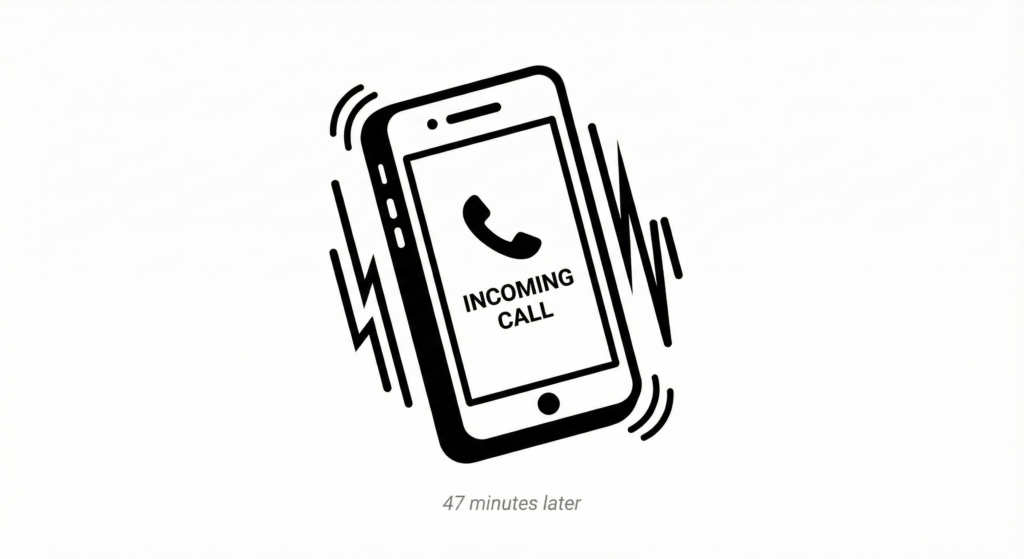
Forty-seven minutes later, my phone rang.
It was the champion.
“Hey, sorry I’ve been dark. Things got crazy here. But don’t close this out – we’re still interested. Can we talk tomorrow?”
We talked the next day. Turns out there had been some internal reorganization. He’d been swamped. My emails had been piling up in his inbox, each one adding a small weight of guilt and obligation.
He admitted something interesting: “Every time you emailed, I knew I should respond, but I didn’t have good news yet. So I avoided it. Your last email actually made me realize I didn’t want to lose this.”
We closed the deal two weeks later.
Why I Think It Worked
I’ve been replaying this in my head. Here’s my theory on what happened:
My chase emails were creating pressure. Each one was a small obligation. A tiny guilt trip. The buyer’s natural response was avoidance – it was easier to ignore me than deal with the emotional weight of responding.
When I pulled back – genuinely pulled back, not as a tactic but as an honest release – something shifted.
First, I removed the pressure. No more obligation. No more guilt. The buyer could breathe.
Second, I created potential loss. By saying I was closing it out, I made the opportunity feel finite. Suddenly doing nothing had a cost.
Third, I gave him back control. The decision to re-engage was his. Not because I pushed, but because he chose to.
That last part matters. When he called me, it was his decision. His initiative. His ownership. That’s a completely different dynamic than if I’d pressured him into a call.
One Data Point Isn’t Proof
I want to be careful here. This is one deal. One experiment. I can’t conclude anything definitive from n=1.
Maybe he would have called anyway. Maybe the timing just happened to align. Maybe I got lucky.
But here’s what I know: I did the opposite of everything I’d been trained to do. And the deal came back to life.
That’s enough to keep testing.
I’ve got three more stalled deals I’m going to try this on. Different sizes, different stages, different reasons for stalling. If the pattern holds, I’ll have something. If it doesn’t, I’ll learn something.
Either way, I’m done chasing. At least for now.
First Access. No Spam.
The waitlist exists for one reason: to tell you when the methodology drops. That's it.
Instant access. No spam. Unsubscribe anytime.