I found the research that explains everything.
Well, not everything. But something fundamental that I’ve been observing for months without being able to name it.
Why do buyers resist when we push? Why does urgency backfire? Why does the harder we try to close, the harder they pull away?
The answer has been sitting in psychology research since 1966. It’s called Reactance Theory. And it should be required reading for anyone in sales.
What Is Reactance Theory?
In 1966, psychologist Jack Brehm published “A Theory of Psychological Reactance.” His core insight was deceptively simple:
When people perceive that their freedom to choose is being threatened or eliminated, they experience a motivational state called “reactance” – an emotional reaction that drives them to restore that freedom.
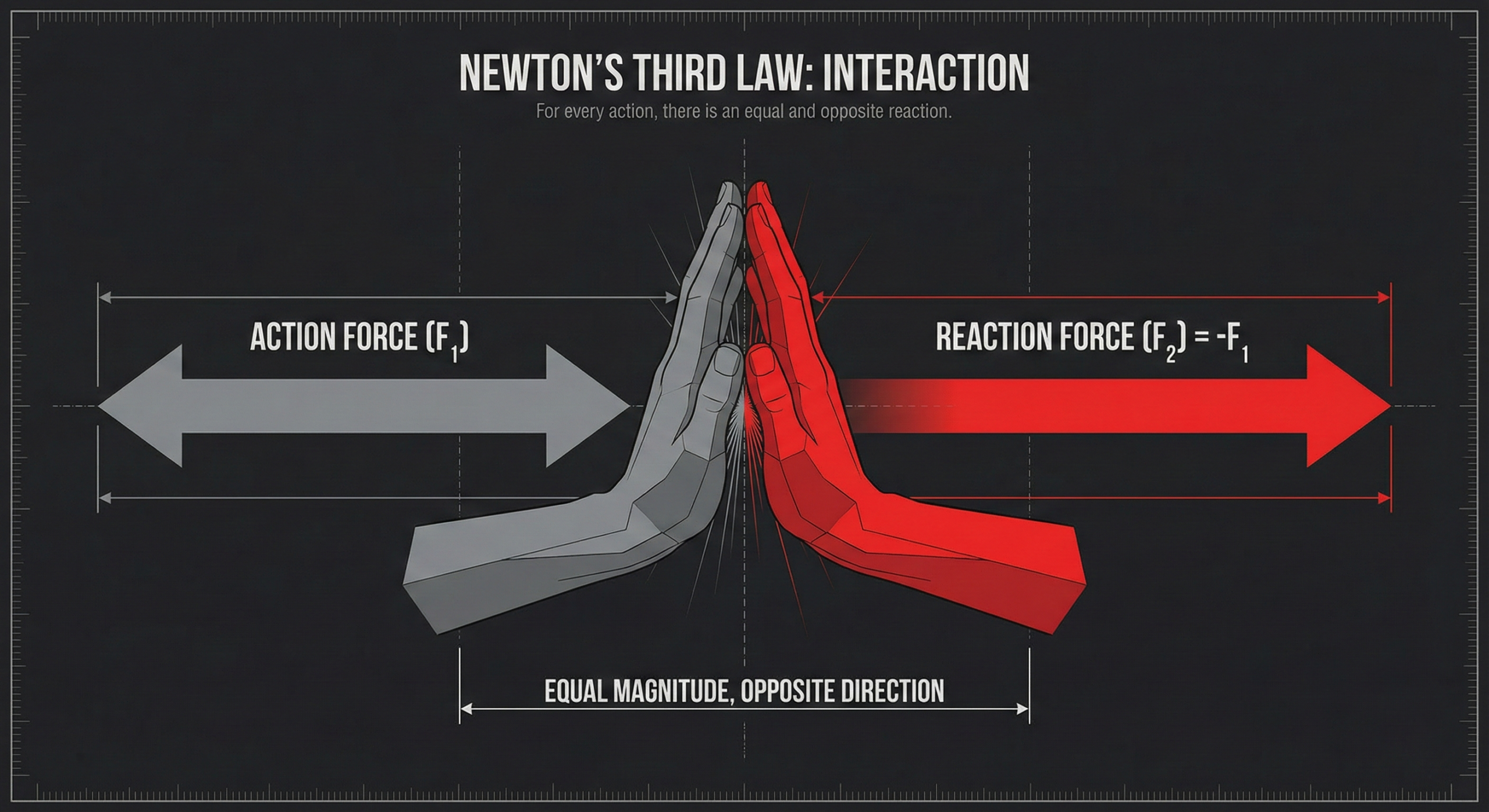
In plain English: Tell someone what to do, and they’ll want to do the opposite. Try to take away an option, and suddenly that option becomes more attractive. Push someone toward a decision, and they’ll push back.
This isn’t stubbornness. It’s not irrationality. It’s a fundamental human drive to maintain autonomy. We are hardwired to resist threats to our freedom of choice.
The Teenage Bedroom Effect
The easiest way to understand reactance is to think about teenagers.
A teenager has a messy room. Maybe they were going to clean it. Maybe they weren’t. But the moment a parent says “Clean your room right now” – what happens?
The teenager who might have cleaned it voluntarily now refuses. The command triggered reactance. Their freedom to choose was threatened, so they fight to restore it by doing the opposite.
Here’s the critical part: this happens even when the teenager agrees the room should be cleaned. The content of the request isn’t the issue. The threat to autonomy is the issue.
The moment you try to take away someone’s freedom to choose, they will fight to restore it – even if they were going to choose what you wanted anyway.
How Reactance Shows Up in Sales
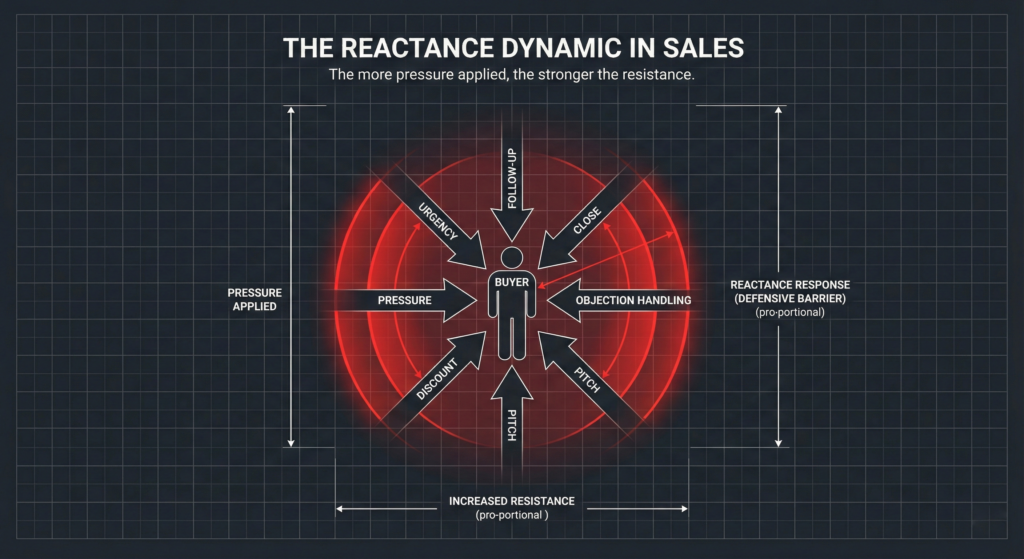
Now apply this to every sales interaction you’ve ever had.
“You need to act by Friday to get this pricing.” – Reactance triggered. The buyer’s freedom to decide on their own timeline is threatened.
“This is really the best solution for your situation.” – Reactance triggered. You’re telling them what to think instead of letting them conclude it themselves.
“Let me send you some case studies that will address your concerns.” – Reactance triggered. You’re trying to eliminate their objections rather than letting them work through their own thinking.
“We should schedule a call with your CFO to discuss next steps.” – Reactance triggered. You’re pushing the process forward instead of letting them pull.
Every piece of traditional sales training is designed to advance the sale. Move the buyer forward. Create urgency. Overcome objections. Close.
And every one of those actions threatens buyer autonomy. Every one triggers reactance.
The Research Behind the Resistance
Brehm’s original research has been replicated and extended for nearly sixty years. Here’s what the science tells us:
Reactance increases with the importance of the threatened freedom. The bigger the decision, the stronger the pushback when autonomy is threatened. B2B purchases are big decisions.
Reactance increases with the number of freedoms threatened. Every additional pressure point – timeline pressure, pricing pressure, competitive pressure – compounds the resistance.
Reactance increases with the strength of the threat. Subtle suggestions trigger less reactance than direct commands. “You might want to consider…” lands differently than “You need to…”
Reactance can make the eliminated option more attractive than it was before. This is called the “forbidden fruit” effect. Tell a buyer they can’t have the competitor’s solution, and suddenly they want it more.
And here’s the kicker: people often aren’t aware they’re experiencing reactance. They don’t think “I’m pushing back because my autonomy is threatened.” They think “I just don’t trust this salesperson” or “Something feels off about this deal.”
Why Traditional Sales Training Makes This Worse
Think about what we train salespeople to do:
Create urgency. This directly threatens the buyer’s freedom to decide on their own timeline.
Handle objections. This tells the buyer their concerns are obstacles to be overcome rather than legitimate considerations to be respected.
Control the conversation. This removes the buyer’s freedom to guide the discussion where they need it to go.
Ask for the close. This pressures a commitment that the buyer may not be ready to give.
Follow up persistently. This signals that the buyer’s silence isn’t being respected as a valid response.
Every single one of these “best practices” is a reactance trigger. We’re literally training salespeople to activate the psychological defense mechanism that makes buyers resist.
And then we wonder why response rates are plummeting and deals are stalling.
The Alternative: Preserving Buyer Autonomy
If reactance is triggered by threats to freedom, the solution is to protect that freedom.
Instead of creating urgency, help buyers discover their own urgency through the cost of inaction.
Instead of handling objections, invite them. “What concerns do you have that we haven’t addressed?” gives the buyer permission to voice resistance without feeling pushed.
Instead of controlling the conversation, follow the buyer’s lead. Let them guide the process. They know their organization better than you do.
Instead of asking for the close, confirm alignment. “Based on what we’ve discussed, does it make sense to move forward – or not?” The “or not” is crucial. It preserves their freedom to say no.
Instead of persistent follow-up, create space. “I’ll leave this with you. If it makes sense to talk further, I’m here. If not, no worries.” This removes pressure and – counterintuitively – often accelerates decisions.
The goal isn’t to eliminate selling. It’s to sell in a way that doesn’t trigger the psychological defense mechanisms that make selling impossible.
Why This Changes Everything for Me
I’ve been observing these patterns for months. Buyers who pull away when I push. Deals that accelerate when I back off. Champions who engage more when I stop chasing.
Now I have a name for it. Now I have sixty years of research backing it up.
Reactance isn’t a bug in human psychology. It’s a feature. It protects autonomy. It ensures we can’t be easily manipulated. It’s why high-pressure tactics eventually stop working on everyone.
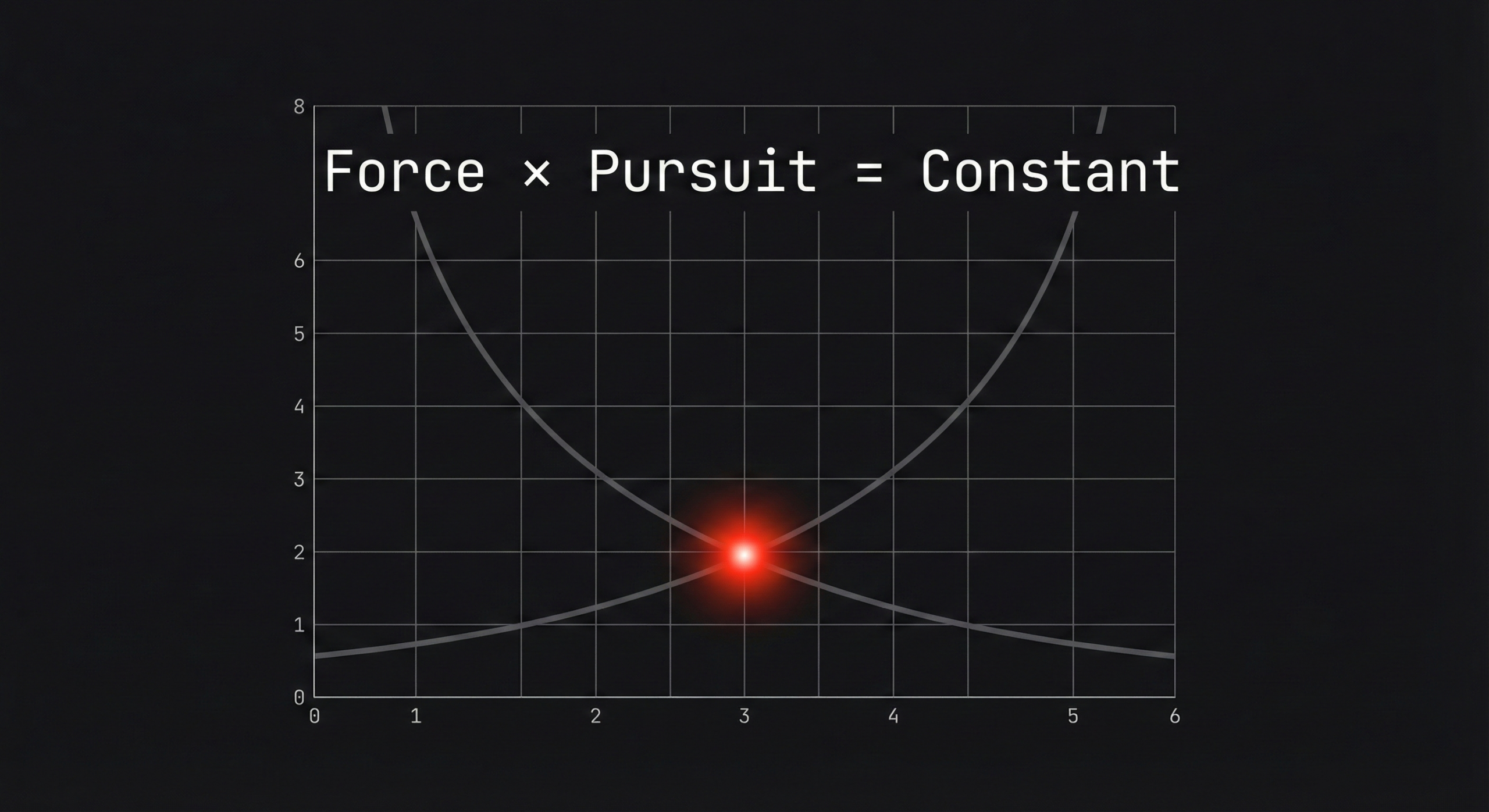
And it explains why the inverse relationship I’ve been writing about actually works. Pull back, and buyers lean in – because you’re no longer triggering their psychological immune system.
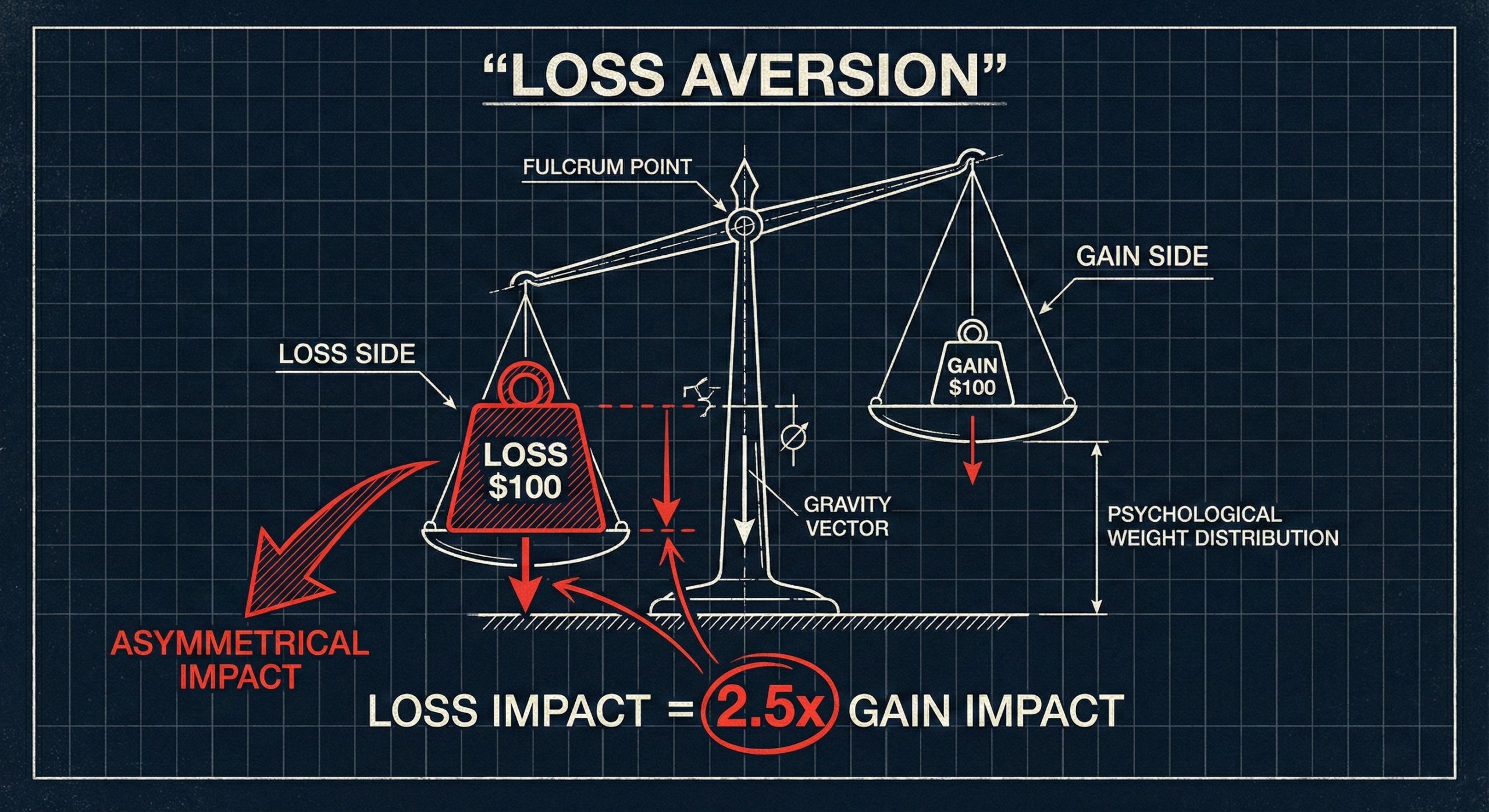
This is the second pillar. Loss aversion gives us the “why” of motivation. Reactance gives us the “how” of resistance.
Together, they explain most of what’s broken in modern sales.
79% of Deals Don't Close.
That's not a performance problem. That's a methodology problem. The book explains why - and what to do instead.
Instant access. No spam. Unsubscribe anytime.