I pulled all the sales books off my shelf last night. Stacked them on my desk. SPIN Selling. The Challenger Sale. Sandler. Solution Selling. MEDDIC. Gap Selling. A dozen more.
I’ve read them all. Implemented most of them at one point or another. Trained teams on them. Believed in them.
And sitting there looking at that stack, something hit me that I’d never noticed before:
They all say the same thing.
Different Packaging, Same Product
Yes, the frameworks are different. The acronyms are different. The terminology is different.
SPIN has its Situation, Problem, Implication, Need-Payoff questions. Challenger has its Teach, Tailor, Take Control. Sandler has the submarine and the pain funnel. MEDDIC has Metrics, Economic Buyer, Decision Criteria, and so on.
But underneath all the different language, they share the same fundamental assumptions:
The seller drives the process.
More activity equals more results.
Your job is to uncover pain, amplify it, and position your solution.
Control the conversation. Guide the buyer. Overcome resistance.
Push.
They just use different words for the pushing.
When Were These Written?
I started looking at publication dates. This is where it gets interesting.
SPIN Selling: 1988.
Solution Selling: 1994.
Sandler’s core concepts: developed in the 1960s.
The Challenger Sale: 2011 – but based on research from 2009.
MEDDIC: 1990s.
Think about what the world looked like when these were created. Buyers had almost no access to information. If you wanted to learn about a product or solution, you had to talk to a salesperson. The seller controlled the information. The seller controlled the process.
In that world, “drive the conversation” and “control the process” made sense. The buyer literally needed you to guide them because they had no other way to learn.
But that world doesn’t exist anymore.
The World Changed. The Methodologies Didn’t.
Today, buyers complete 70-80% of their journey before they ever talk to sales. They’ve read the reviews. Watched the demos on YouTube. Talked to peers. Downloaded the comparison guides. They know more about your product and your competitors than most of your sales reps do.
They don’t need you to guide them. They don’t need you to educate them. They don’t need you to uncover their pain – they already know their pain. That’s why they’re talking to you.
And yet we’re still teaching methodologies built for a world where the seller held all the cards.
We’re still teaching people to “control the conversation” with buyers who have more information than we do.
We’re still teaching people to “drive the process” with buyers who’ve already driven 80% of it themselves.
Does anyone else see how crazy this is?

The Question Nobody’s Asking
Here’s what’s been bothering me:
Everyone debates which methodology is best. SPIN versus Challenger. Sandler versus MEDDIC. Endless LinkedIn arguments about whose framework is superior.
But nobody questions the foundation they all share.
Nobody asks: what if seller-driven, push-based selling is the wrong model entirely?
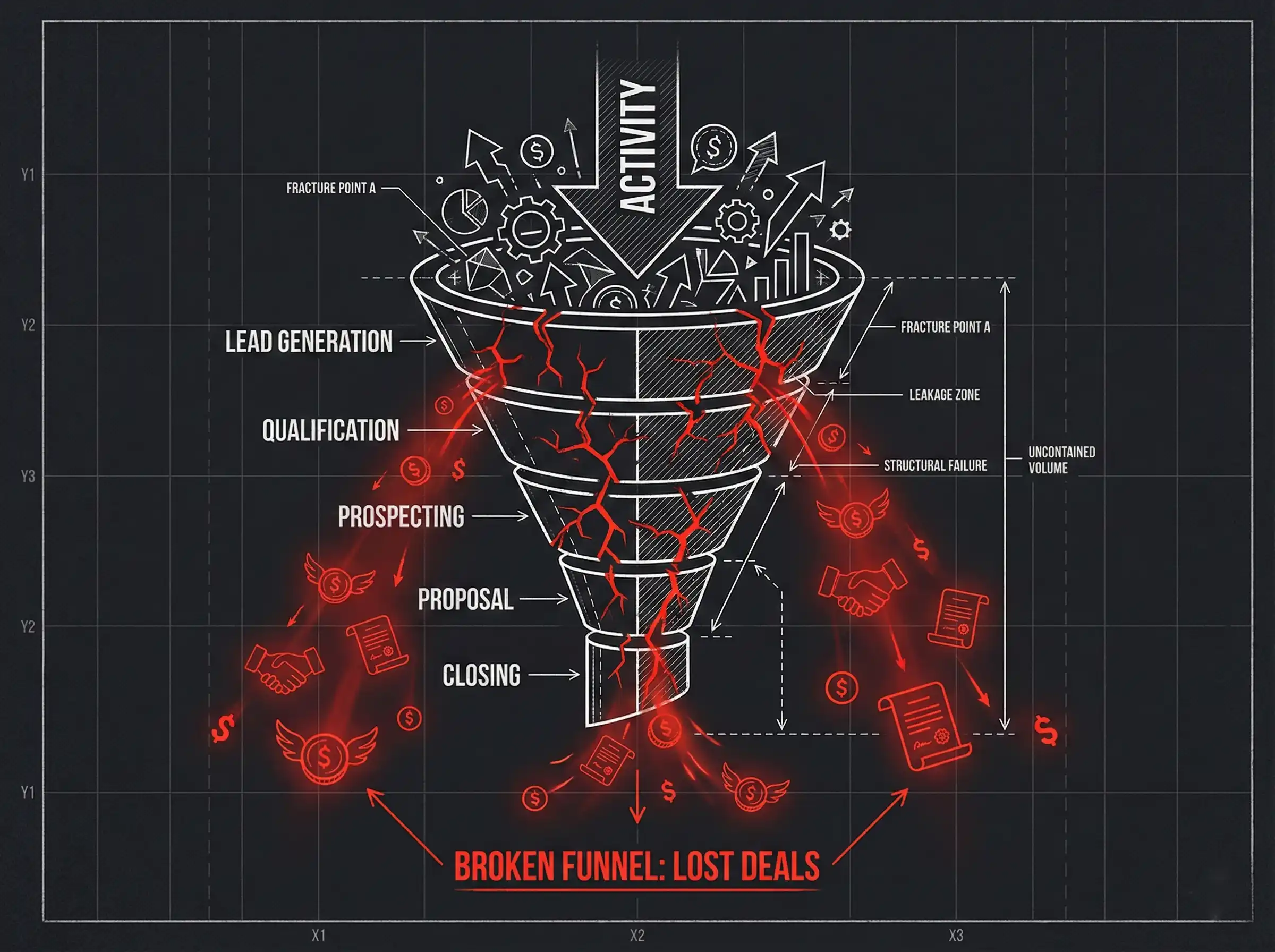
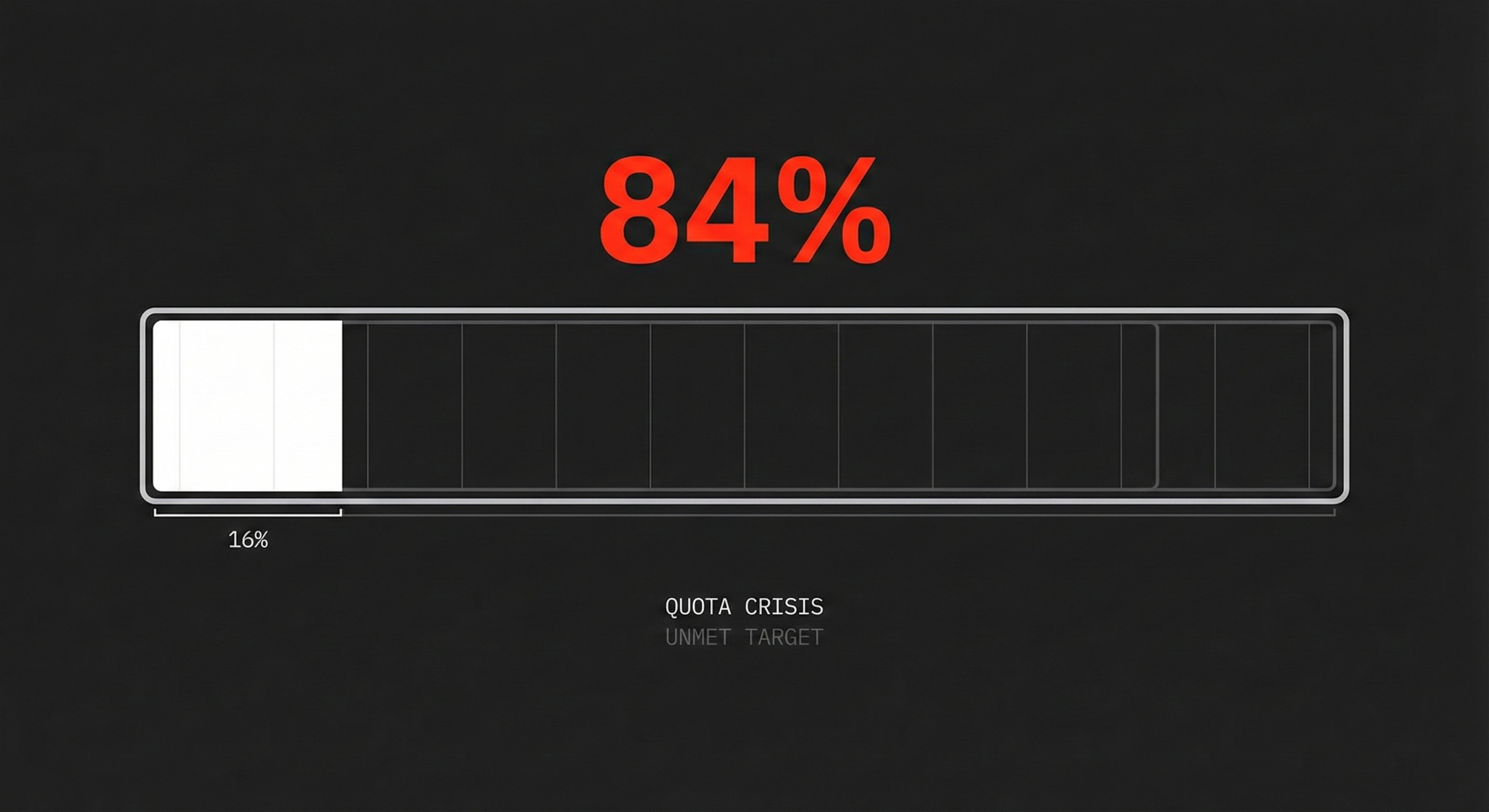
What if the reason 60% of deals end in “no decision” isn’t because reps aren’t executing the methodology well enough – but because the methodology itself creates the resistance that kills deals?
What if we’ve been optimizing the wrong thing for thirty years?
I Don’t Have Answers
I want to be clear: I’m not claiming to have figured this out. I’m not selling a new methodology. I don’t have a better framework to replace SPIN or Challenger.
I just have this growing discomfort.
I look at that stack of books and I see an industry that’s been rearranging deck chairs for decades. New terminology, new frameworks, new acronyms – all built on the same foundation.
A foundation designed for a world that no longer exists.
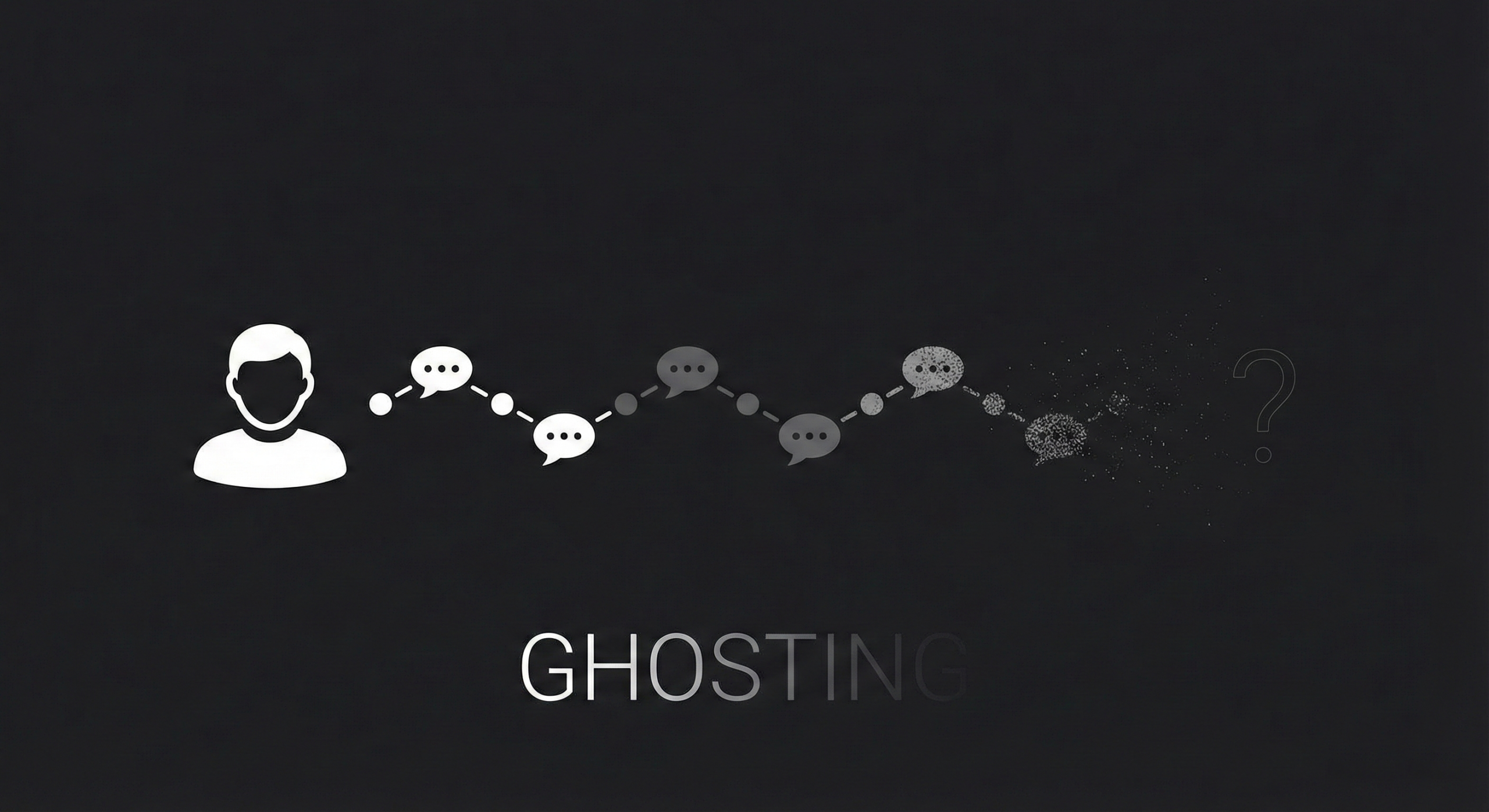
I keep thinking about the buyers I’ve watched over the years. How they pull back when they feel pushed. How they go dark when they feel controlled. How the best deals I’ve ever closed felt less like selling and more like… something else. Something I can’t quite name.
Maybe I’m wrong. Maybe the old methodologies just need better execution. Maybe the problem is reps, not frameworks.
But I don’t think so.
I think something is broken at a deeper level. And I think it starts with that shared assumption underneath all the books on my desk:
That the seller should push.
What if that’s exactly backwards?
Your Pipeline Isn't Dying. It Was Never Alive.
Activity isn't agreement. Motion isn't progress. Time to learn the difference.
Instant access. No spam. Unsubscribe anytime.