I need to rant.
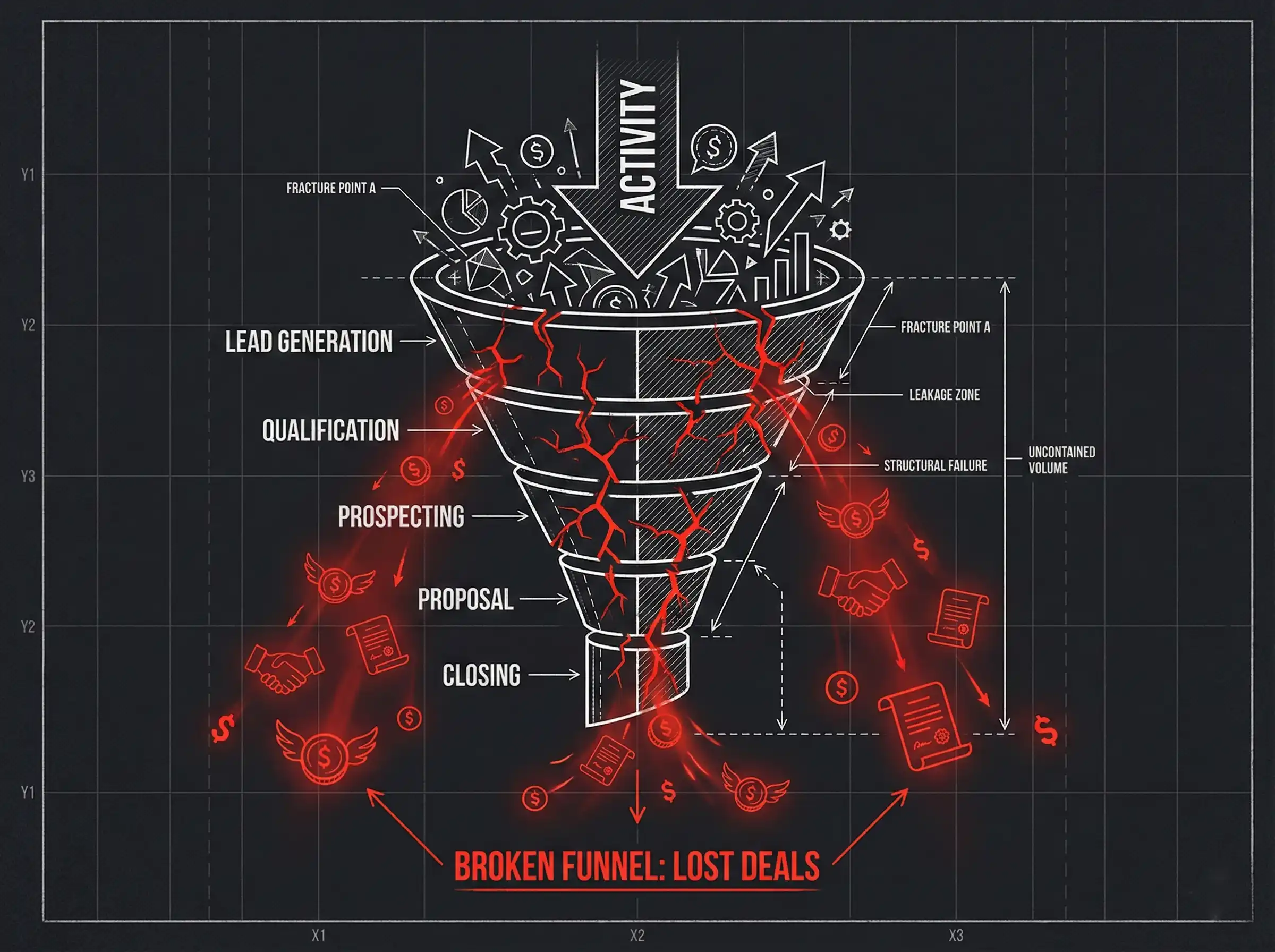
I just got out of a leadership meeting where we spent 45 minutes reviewing activity dashboards. Calls made. Emails sent. Meetings booked. LinkedIn touches. Sequences completed.
Forty-five minutes. Not one second discussing whether any of that activity was actually moving deals forward.
This is insanity. And it’s everywhere.
The Activity Obsession Has Taken Over Sales
Look at any sales organization right now. What are they measuring?
Calls per day. Emails per week. Meetings booked per month. Opportunities created. Demos completed. Touches per account.
We’ve got dashboards tracking dashboards. Managers reviewing activity reports before they review pipeline. Reps gaming metrics to hit arbitrary numbers that have nothing to do with actual selling.
And the tech stack? Don’t get me started. Sales engagement platforms that automate the spam. Dialers that measure calls-per-hour. CRMs that flag reps for “insufficient activity.” AI tools that generate more emails faster.
We’ve built an entire industry around measuring the things that are easiest to count instead of the things that actually matter.
The Flawed Logic Behind Activity Metrics
The thinking goes like this: Sales is a numbers game. More activity equals more pipeline. More pipeline equals more revenue. Therefore, maximize activity.
It sounds logical. It’s also wrong.
Here’s the assumption embedded in that logic: all activity is created equal. Every call has the same probability of advancing a deal. Every email has the same impact. More is always better.
But that’s not how selling works. And it’s definitely not how buying works.
A single conversation where you help a buyer calculate their cost of inaction is worth more than fifty “checking in” emails. One discovery call where you actually diagnose the problem is worth more than ten demos where you’re just showing features.
Quality destroys quantity. But quality is hard to measure. So we measure quantity instead.
What Activity Metrics Actually Incentivize
When you measure activity, you get more activity. Congratulations. But what kind of activity?
You get reps making calls to hit their daily number – not because the call will advance a deal, but because the dashboard requires it.
You get reps sending templated emails to accounts that will never buy – because “touches” count the same whether they’re strategic or spam.
You get reps booking meetings with anyone who will take them – even if the prospect has no budget, no authority, and no actual problem.
You get reps creating “opportunities” out of thin air – because pipeline coverage targets demand it, accuracy be damned.
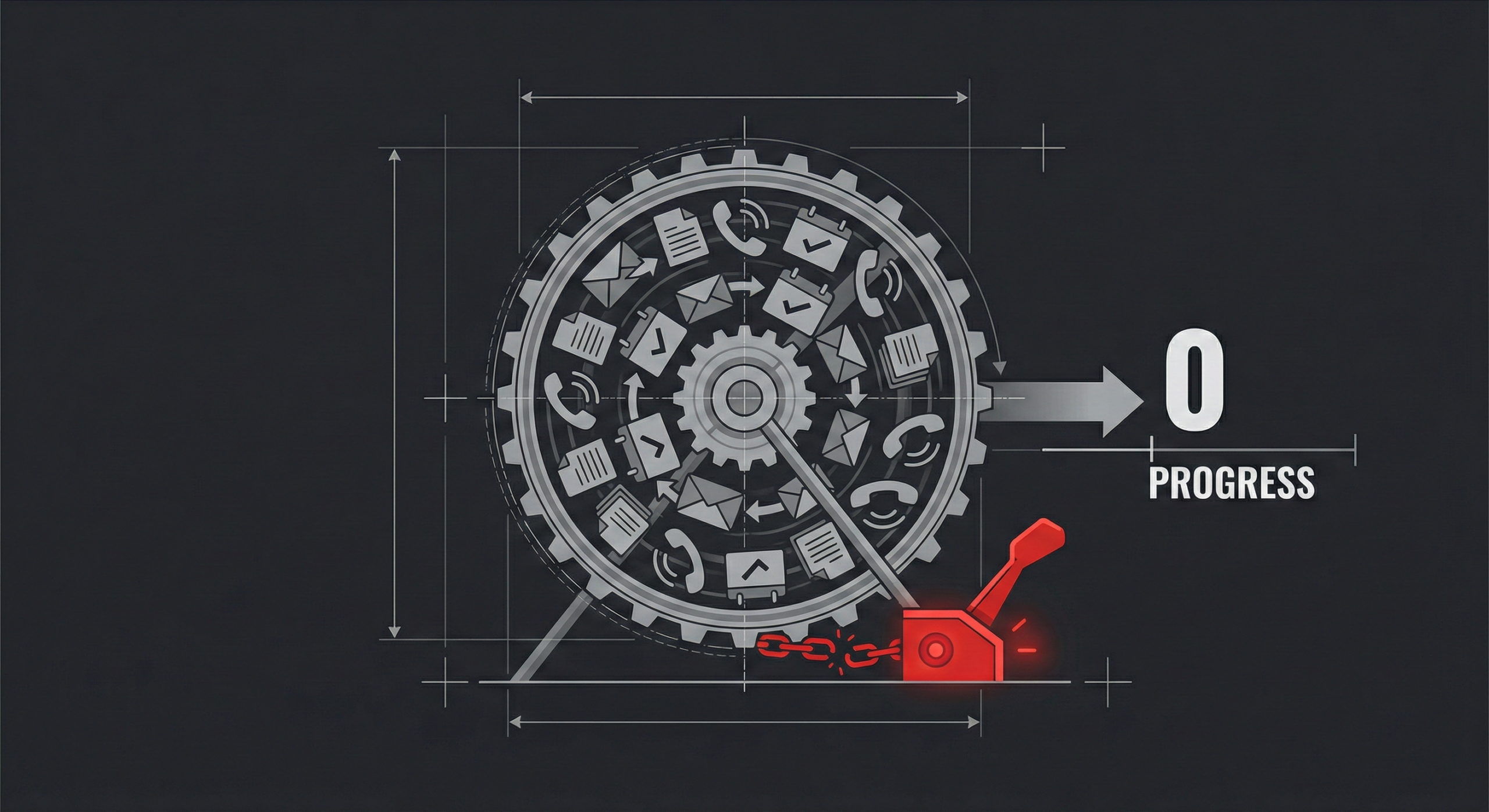
You get motion without progress. Effort without impact. Busyness without business.
And worst of all – you get reps who burn out buyers with relentless, low-value outreach that makes them never want to talk to your company again.
The Buyer’s Experience of Your Activity Metrics
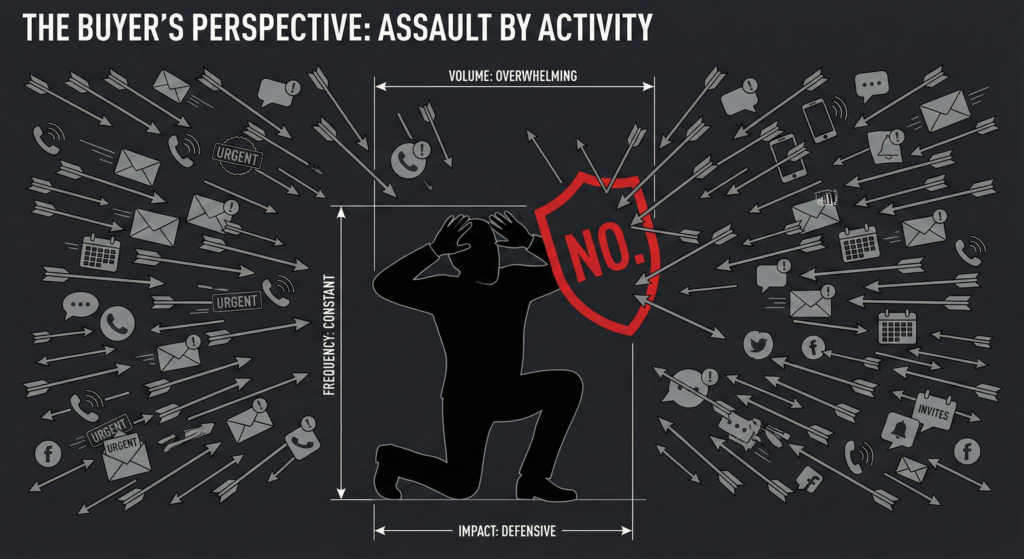
Let’s flip the perspective. What does this look like from the buyer’s side?
They get cold calls from reps who clearly know nothing about their business – because the rep needed to hit 60 dials today.
They get automated email sequences that pretend to be personal but are obviously templated – because “personalization at scale” is the goal.
They get LinkedIn connection requests followed immediately by pitch slaps – because social touches count toward activity metrics.
They get relentless follow-ups asking “did you get my last email?” – because persistence is rewarded, even when it’s annoying.
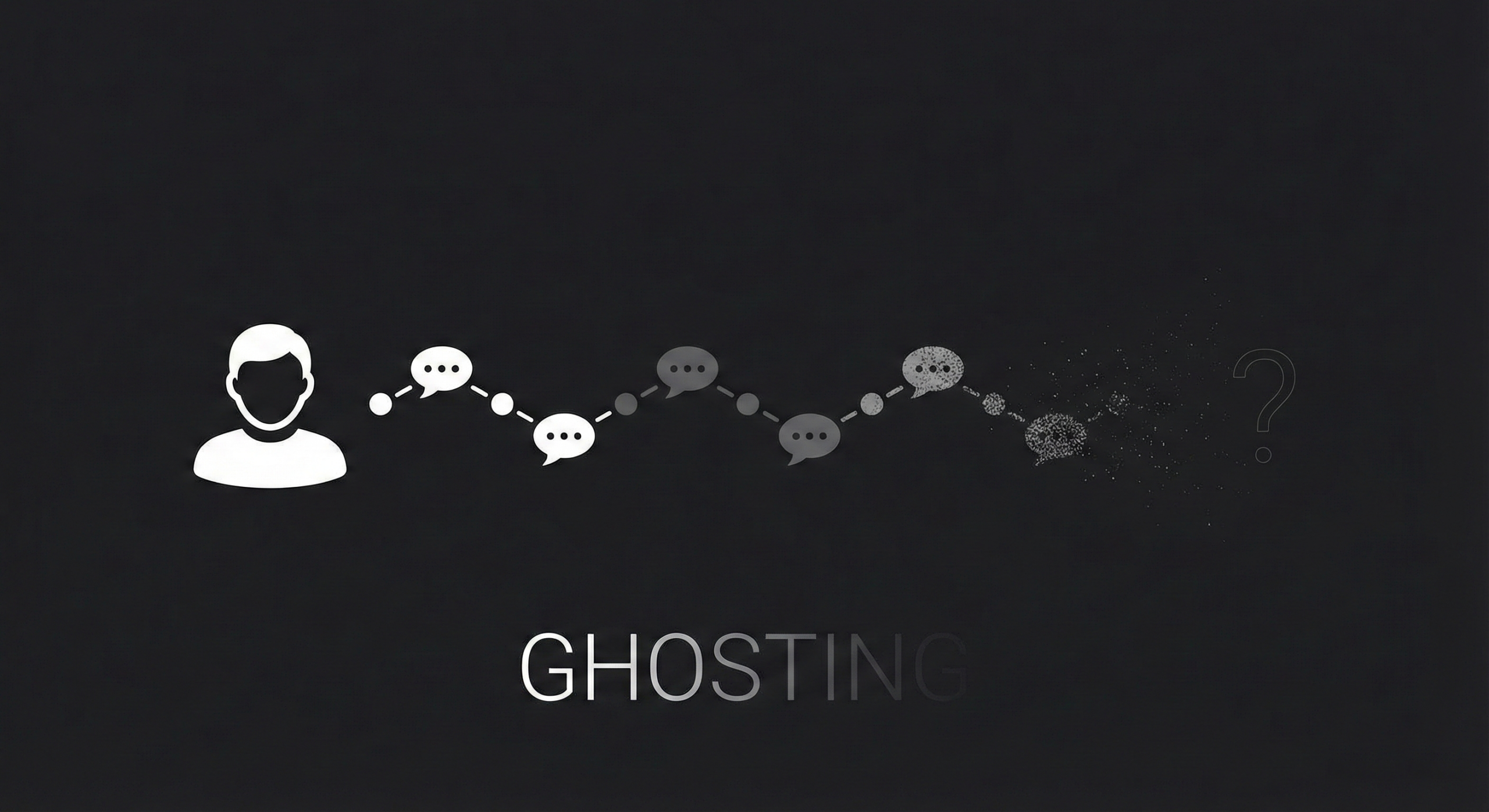
Is it any wonder response rates are cratering? Is it any wonder buyers go dark? Is it any wonder they complete 70-80% of their journey before they’ll even talk to a rep?
They’re not avoiding salespeople because they don’t need help. They’re avoiding salespeople because our activity metrics have turned us into a plague of locusts.
The Metrics We Should Be Tracking Instead
I don’t have this fully figured out yet. But I know what we’re measuring now is broken.
What if we measured conversion quality instead of activity quantity? Not “how many calls did you make” but “what percentage of your conversations resulted in a qualified next step?”
What if we measured buyer engagement instead of seller effort? Not “how many emails did you send” but “how many buyers responded with substantive engagement?”
What if we measured pipeline accuracy instead of pipeline volume? Not “how much pipeline did you create” but “what percentage of your pipeline actually closed?”
What if we measured deal velocity by stage progression, not by how many touches we logged?
These metrics are harder to game. They’re also harder to measure. But they actually correlate with revenue.
The current metrics? They correlate with burnout, spam, and buyer resentment.
Why This Won’t Change Easily
I’m not naive. I know why activity metrics dominate.
They’re easy to measure. Any CRM can count calls and emails. You don’t need sophisticated analysis.
They’re easy to manage. Tell reps to make more calls. Simple. Telling reps to have better conversations? That requires coaching. That requires skill development. That’s hard.
They create the illusion of control. When you can see activity dashboards, it feels like you’re managing something. Never mind that the activity isn’t connected to outcomes.
And there’s a massive industry built around them. Sales engagement platforms. Dialers. Sequencing tools. They all justify their existence by helping you do more activity faster. If we admitted that more activity isn’t the answer, billions of dollars in software becomes worthless.
So the machine keeps running. Reps keep dialing. Buyers keep hiding. And we all pretend the metrics mean something.
Where I’m Landing on This
Rant over. Sort of.
Here’s what I believe: The obsession with activity metrics is a symptom of a deeper problem. We don’t actually know what good selling looks like anymore. The market changed. Buyers changed. Information access changed. And we responded by… doing more of what stopped working.
More calls. More emails. More touches. More pressure.
Instead of asking “what do buyers actually need from us now?” we asked “how do we do more of what we’ve always done?”
Activity metrics are the scorecard of that failure. They measure our effort. They ignore our impact.
I don’t know exactly what replaces them. But I know they’re broken. And I’m going to keep poking at this until I find something better.
Seeing Similar Patterns?
I'm writing a book about what happens when you flip the assumptions. Real stories. Real results. Anonymized, but true.
Instant access. No spam. Unsubscribe anytime.