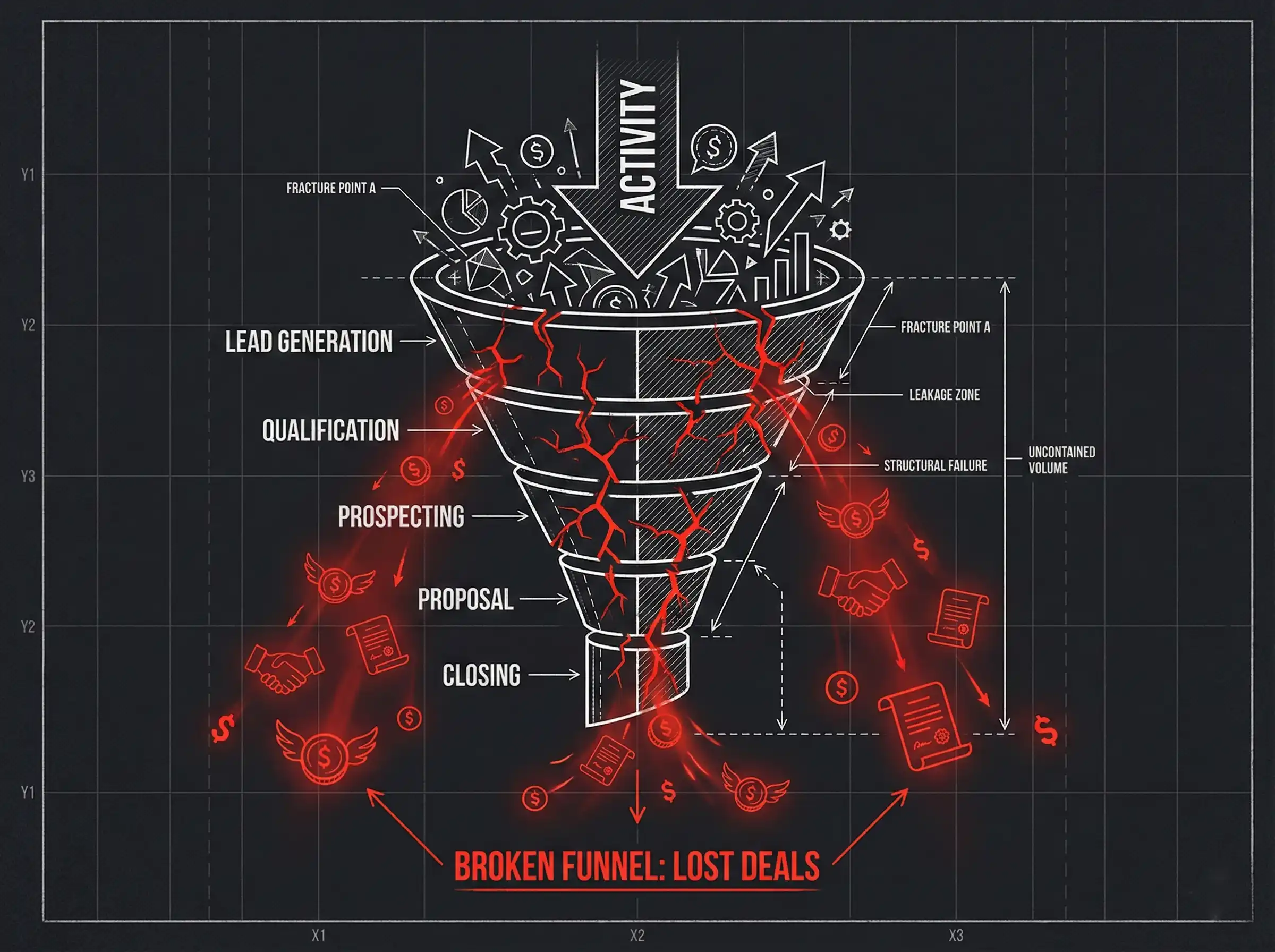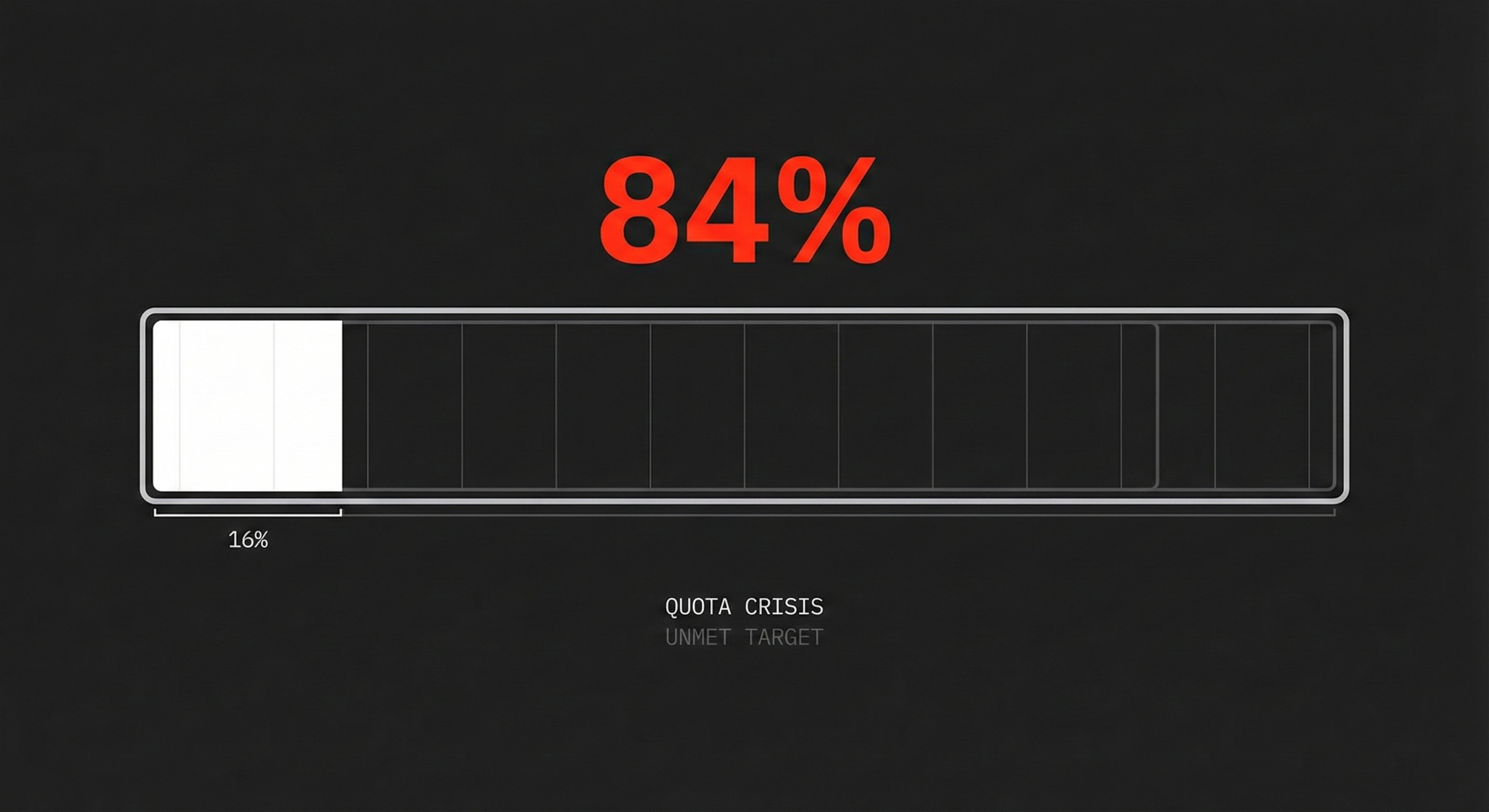
Every salesperson knows this moment.
The call went great. The buyer was nodding along. They said all the right things. “This looks perfect.” “I think we’re ready to move forward.” “Send over the contract.”
You hang up feeling good. You update the CRM. You might even tell your manager it’s closing this week.
Then silence.
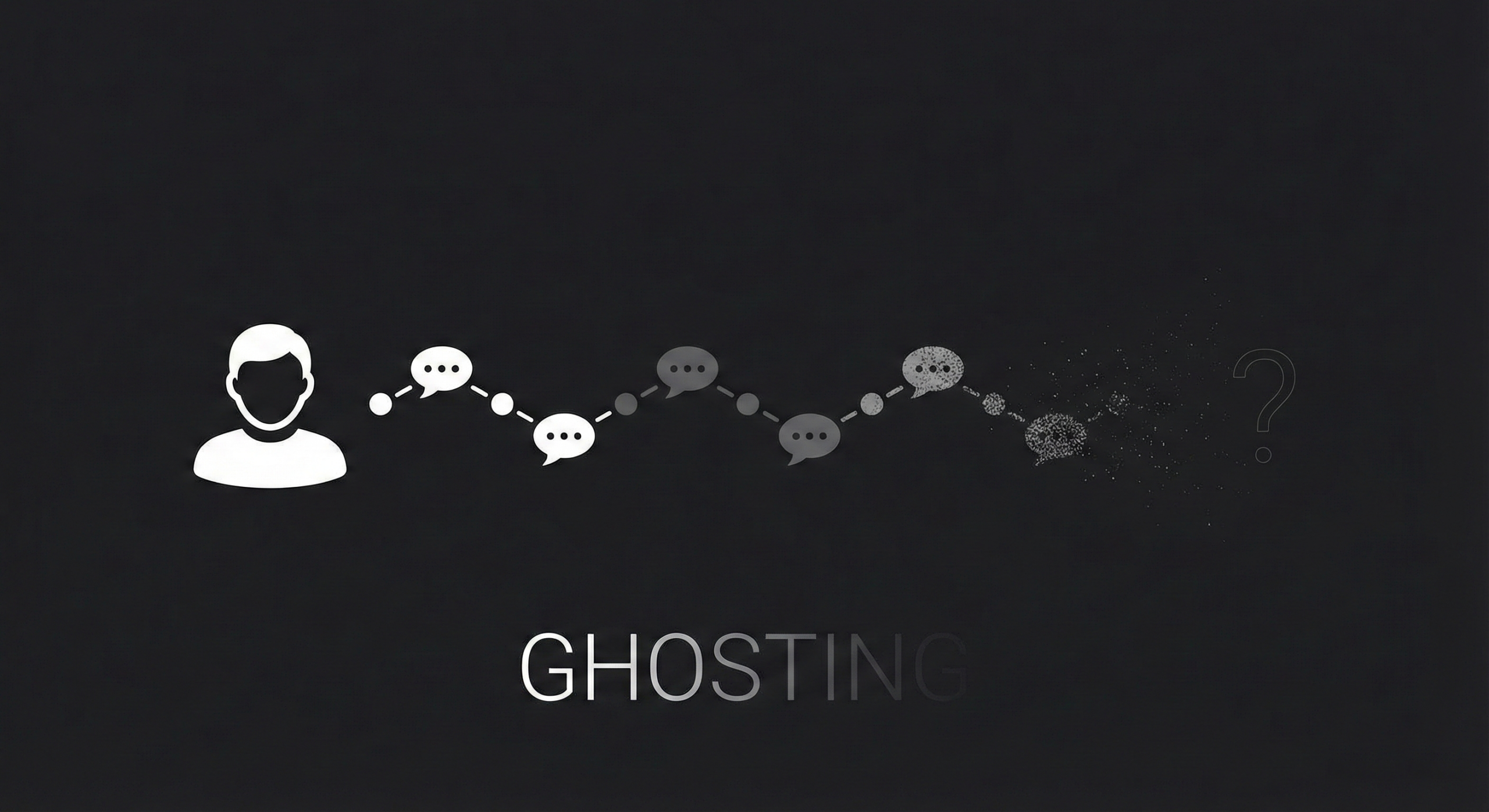
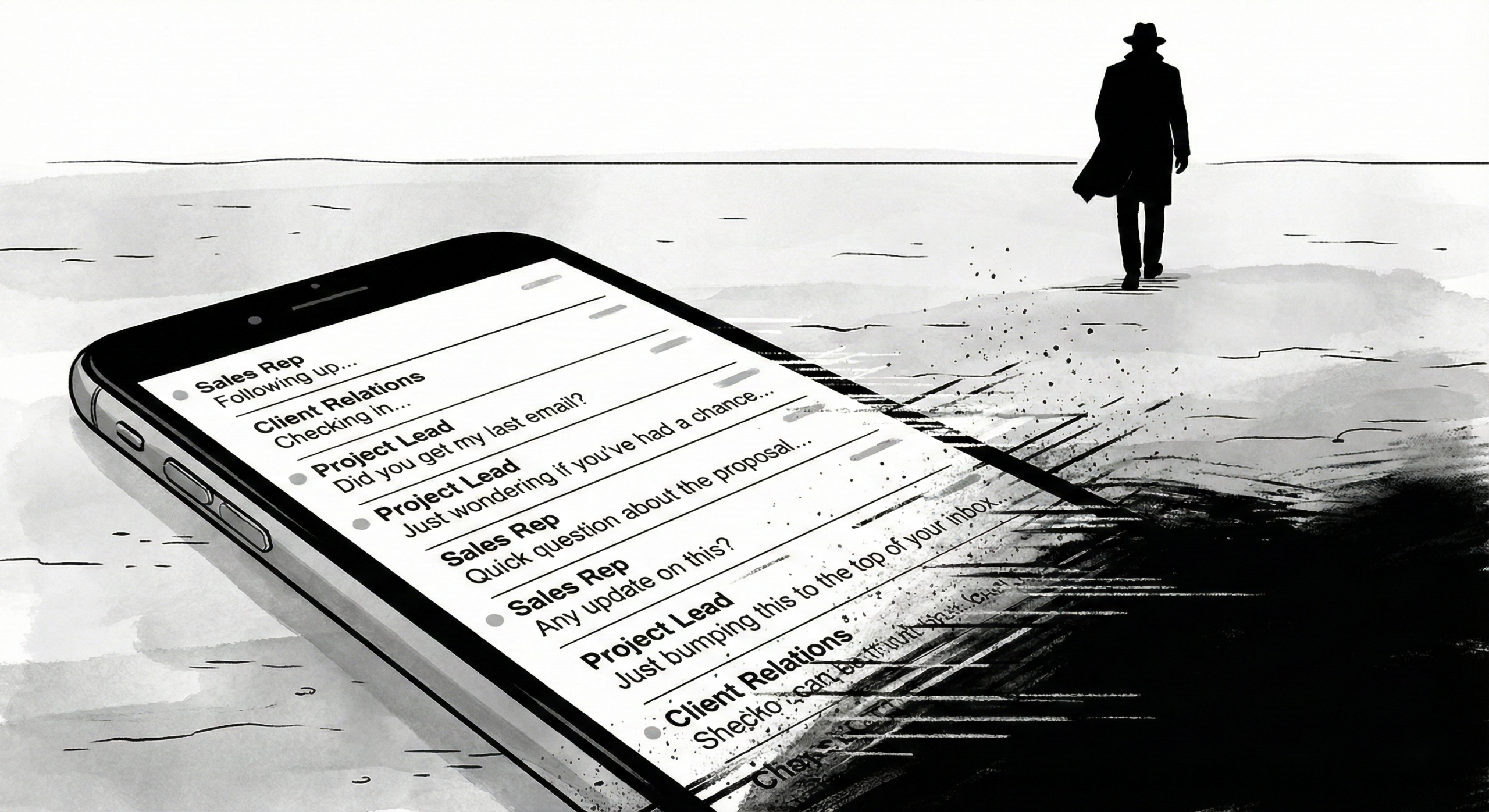
Days pass. Your follow-up emails go unanswered. Calls go to voicemail. The buyer who was “ready to move forward” has vanished.
What the hell happened?
The Explanations We Tell Ourselves
When buyers disappear, we have a list of explanations ready:
“They got busy.” “Budget got frozen.” “Something came up.” “The champion left.” “A competitor swooped in.”
Sometimes these are true. Things do come up. Budgets do freeze. Champions do leave.
But here’s what I’ve started to notice: these explanations are often wrong. When I dig into the deals that ghosted – really dig, talk to the buyer months later, get the honest post-mortem – the story is usually different.
The budget didn’t freeze. They just stopped prioritizing us.
They didn’t get too busy. They got busy with other things.
The competitor didn’t swoop in. The buyer just decided to do nothing.
The real question isn’t “what external thing happened.” It’s “why did the urgency disappear?”
The Yes That Wasn’t Really a Yes
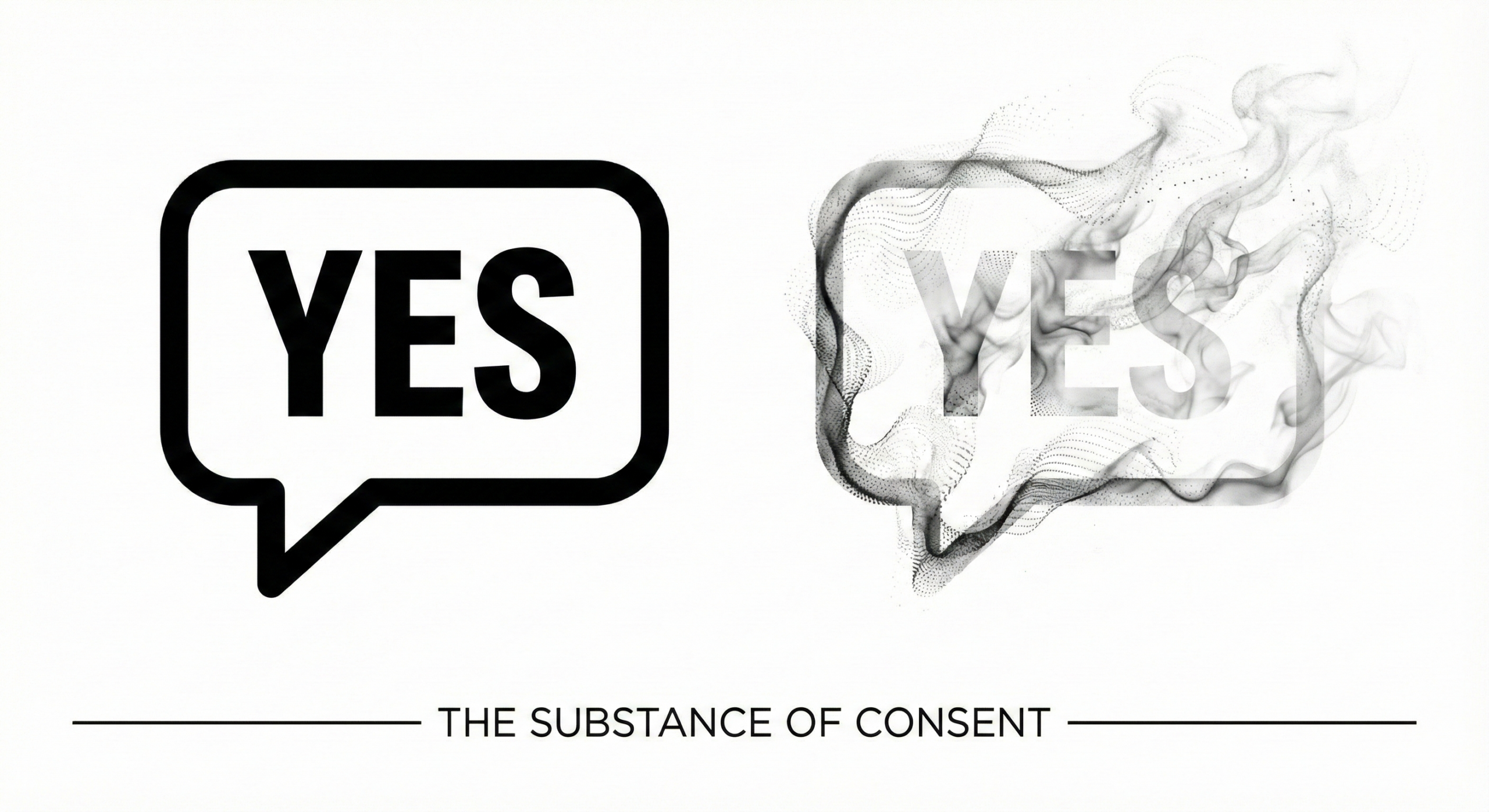
I’ve been thinking about this a lot lately. And I have a theory.
When a buyer says “yes” on a call, there are two kinds of yes:
Yes #1: “I understand why I need this, I’ve calculated the cost of not doing it, and I’m committed to making it happen.”
Yes #2: “This sounds good, you’ve been persuasive, and saying yes is the easiest way to end this conversation.”
On the call, these two yeses sound identical. Enthusiastic. Engaged. Ready to move forward.
The difference shows up later.
Yes #1 survives contact with reality. When other priorities compete, when the CFO pushes back, when implementation looks hard – the buyer fights for it. Because they own the decision. It’s theirs.
Yes #2 evaporates. The moment the pressure of the sales call lifts, so does the commitment. It was never their decision. It was compliance. And compliance doesn’t survive.
How We Create the Wrong Kind of Yes
Here’s the uncomfortable part.
I think we’re trained to create Yes #2.
Every sales technique designed to “advance the sale” or “create urgency” or “overcome objections” – they’re all optimized to get a yes on the call. They work. Buyers say yes.
But they’re the wrong kind of yes.
We pitch so well that buyers get swept up in our vision. We handle objections so smoothly that buyers stop voicing concerns. We create urgency so effectively that buyers feel pressure to decide now.
And then the call ends. The pressure lifts. The buyer is alone with their thoughts.
“Wait, do I actually need this? What was the rush again? Let me think about this more…”
Radio silence follows.
What I Think Is Actually Happening
Based on everything I’ve been reading about psychology and decision-making, I think there are a few things going on:
First – we’re not anchoring the decision to the buyer’s loss. We’re anchoring it to our pitch. When we leave, the pitch leaves with us.
Second – we’re triggering compliance, not commitment. Compliance is agreeing to stop the pressure. Commitment is deciding because you want to. They look the same in the moment. They behave completely differently over time.
Third – the buyer never owned the decision. If they didn’t do the math themselves, if they didn’t arrive at the conclusion themselves, then it’s our conclusion. And people don’t fight for other people’s conclusions.
The disappearing buyer didn’t change their mind. They were never really committed in the first place. We just mistook compliance for conviction.
I Don’t Have the Fix Yet
I’m still working on this. I can see the problem more clearly now, but I don’t have a complete solution.
What I do know: the fix isn’t better follow-up. It isn’t more persistence. It isn’t a better nurture sequence.
The fix has to happen earlier. In the first conversation. Before the yes.
We need to stop optimizing for yeses that sound good and start optimizing for yeses that survive.
I think that means making the buyer own the decision from the start. Their math. Their conclusion. Their urgency.
More on this as I figure it out.
The Best Closers Don't Close.
They create the conditions for buyers to close themselves. The book shows you how.
Instant access. No spam. Unsubscribe anytime.