I looked back at my lost deals from the past two years. The pattern was clear: I lost more deals to “no decision” than to any competitor.
Not “they chose someone else.” Just… nothing. The deal stalled. They went dark. They decided to stick with what they have.
A behavioral economist named Richard Thaler helps explain why. His research on the status quo bias and the endowment effect won him the Nobel Prize in 2017. And it describes the force that kills more deals than any competitor ever could.
The Mug Experiment
Thaler’s most famous experiment involved coffee mugs.
He gave mugs to half the participants in a study. Then he asked the mug owners how much they’d sell their mug for, and asked the non-owners how much they’d pay to buy one.
Rationally, these numbers should be roughly equal. A mug is worth what a mug is worth.
But the owners consistently demanded about twice as much to give up their mug as the non-owners were willing to pay to acquire one.
The mere fact of owning something made it more valuable. Not because the mug changed. Because ownership changed how they felt about it.
Thaler called this the Endowment Effect. We overvalue what we already have.
The Status Quo Bias
The endowment effect is part of a larger pattern Thaler documented: the status quo bias.
People prefer their current state to any proposed change, even when the change is objectively better. The default option has a massive advantage simply because it’s the default.
You see this everywhere once you start looking. People stay in jobs they hate. They keep subscriptions they never use. They stick with insurance policies they’ve never compared to alternatives. They keep the same investment allocation for decades.
It’s not laziness exactly. It’s that change requires energy, carries risk, and involves loss – giving up the known for the unknown. The status quo requires nothing.
Why This Kills Deals
Think about what you’re actually asking a buyer to do:
Give up their current system (which they’ve invested in, learned, and adapted to). Admit their previous decision was suboptimal (nobody likes that). Take on implementation risk (what if the new thing doesn’t work?). Spend political capital (every change has internal friction). Accept responsibility (if it fails, someone’s neck is on the line).
Meanwhile, the status quo offers: no effort, no risk, no political exposure, no admission of past mistakes.
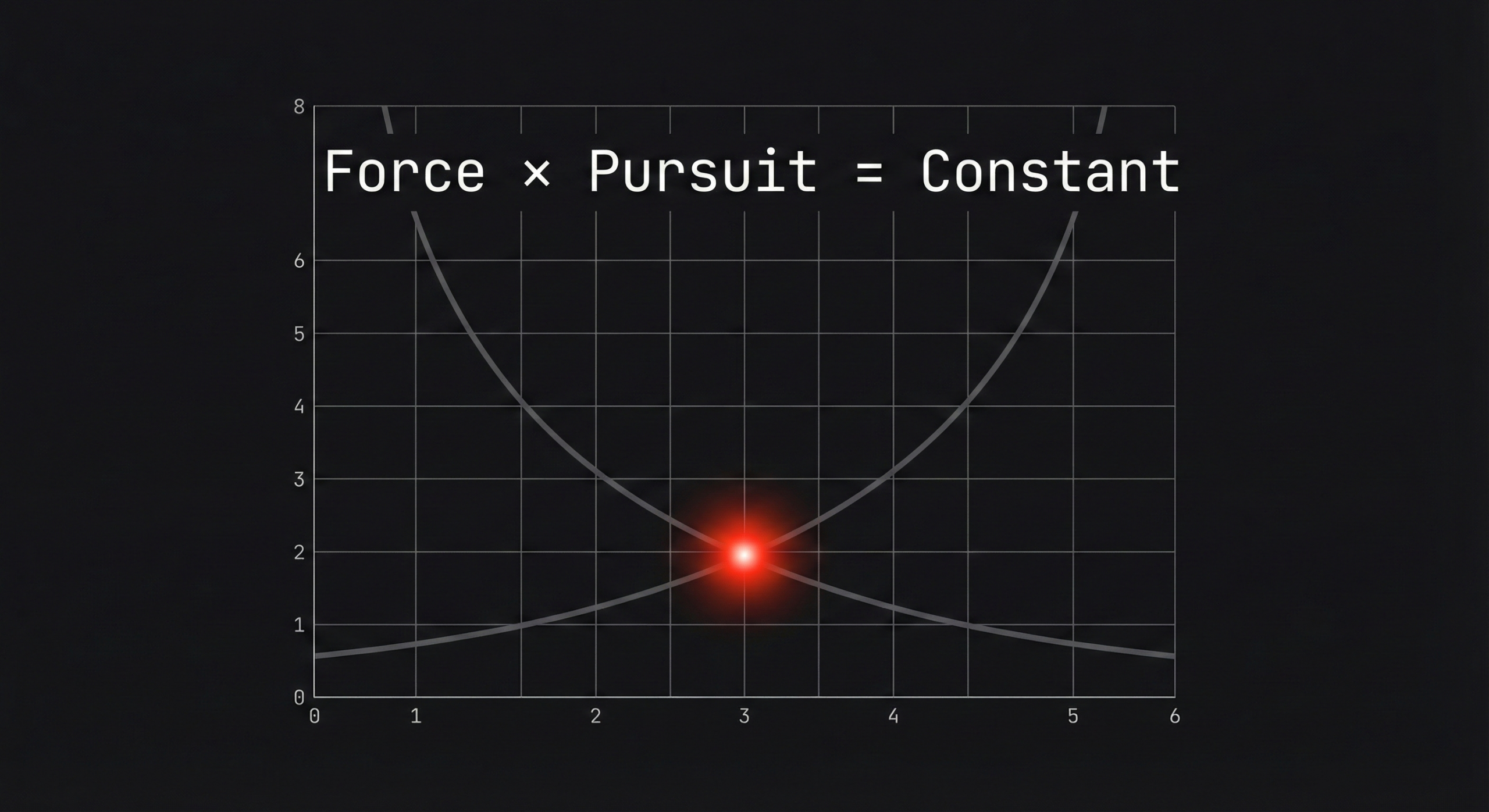
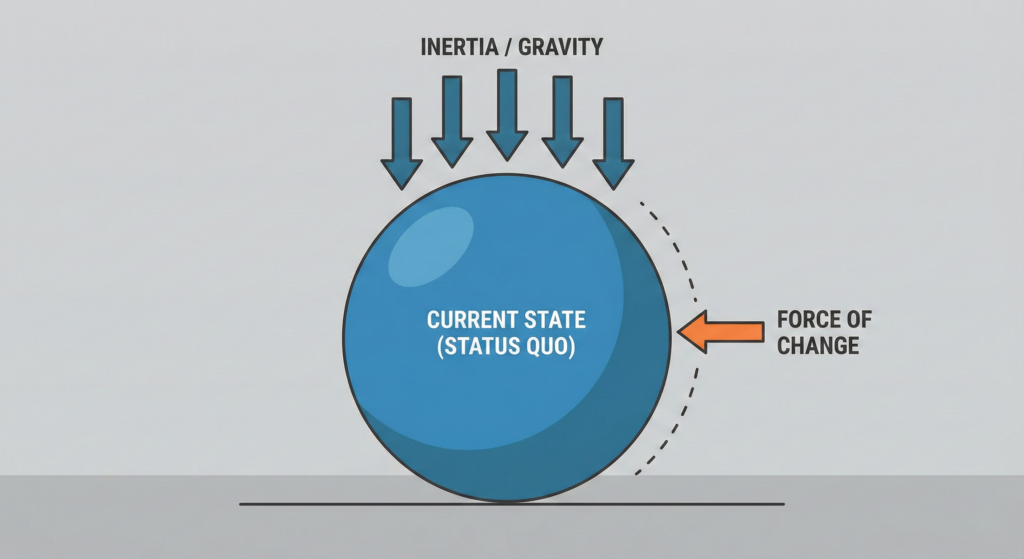
You’re not competing against the other vendor. You’re competing against the gravitational pull of doing nothing.
And according to Thaler’s research, that gravitational pull is enormous. The status quo isn’t a neutral starting point. It has a built-in advantage that you have to overcome.
The Four Forces Protecting Status Quo
I’ve been thinking about what specifically protects the status quo in B2B deals:
Organizational risk. If you buy something new and it fails, you might get fired. If you keep the current system and it continues to underperform, that’s just… the situation. Nobody gets fired for maintaining the status quo.
Psychological risk. Change is exhausting. Implementation requires energy, learning curves, adaptation. Even positive change has friction. The current state, however mediocre, at least requires no additional effort.
Sunk cost fallacy. “We’ve already invested so much in the current system.” That investment is gone either way – it shouldn’t affect future decisions. But it does. Walking away feels like admitting the previous investment was wasted.
Uncertainty aversion. The current pain is known and predictable. The new solution introduces unknown variables. Even if the expected value is better, the uncertainty feels dangerous.

How to Beat It
I don’t have this fully figured out. But I’m starting to think the answer involves making the status quo feel more dangerous than change.
Most sales conversations make change feel risky. “Here’s our new solution. Here’s the implementation process. Here’s what you’ll have to do differently.” All of that highlights the risk of moving.
What if instead we made staying put feel risky?
“What’s this problem costing you right now?” “What happens if you’re still dealing with this in twelve months?” “What’s the risk to your position if this initiative doesn’t get fixed?”
The status quo feels safe because buyers don’t do the math on what it’s actually costing them. If you can help them calculate the cost of inaction – not the benefit of action, but the cost of inaction – maybe the gravitational pull weakens.
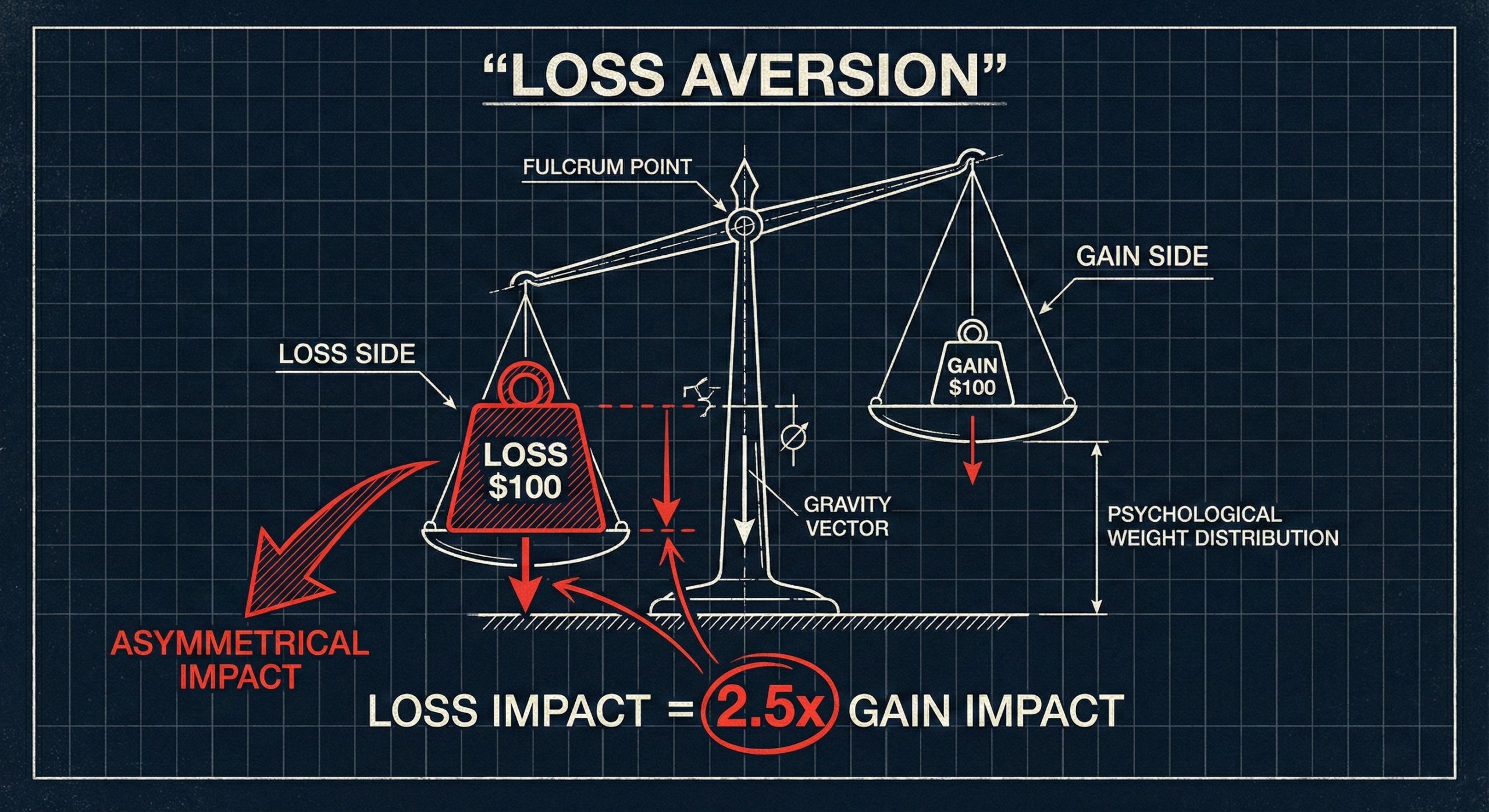
Kahneman’s research on loss aversion connects here. Losses hurt 2.5x more than gains. If staying put becomes a “loss” in the buyer’s mind rather than a safe default, the psychology shifts.
Thaler showed us the force we’re fighting. Now we have to figure out how to overcome it.
Stop Selling. Start Diagnosing.
Persuasion is dead. The new skill is something else entirely.
Instant access. No spam. Unsubscribe anytime.