In 1966, a psychologist named Jack Brehm published a book called “A Theory of Psychological Reactance.” It’s not a bestseller. You won’t find it in airport bookstores. But I think it explains more about failed sales than any methodology ever written.
The theory is simple: when people feel their freedom of choice is threatened, they push back. The harder you push, the harder they resist.
This should be required reading for anyone in sales. Instead, we’re trained to do the exact opposite of what the science says works.
The Forbidden Toy Experiment
One of Brehm’s most famous experiments involved children and toys.
Researchers showed children a set of toys and asked them to rank which ones they liked best. Then they told some children they weren’t allowed to play with a specific toy – one that the child had ranked in the middle, not particularly desirable.
When they asked the children to rank the toys again, the forbidden toy shot up in desirability. The restriction made it more attractive. The thing they couldn’t have became the thing they wanted most.
This is reactance in action. The moment you threaten someone’s freedom to choose, they want to reassert that freedom – often by wanting the opposite of what you’re pushing for.

The Option Removal Study
Another experiment showed participants several options to choose from. Then, without warning, one option was removed – made unavailable.
The removed option immediately became 47% more desirable than before it was restricted. People wanted it more precisely because they couldn’t have it.
The implications are everywhere. Limited time offers. Exclusive access. “Only 3 left in stock.” Marketers figured this out decades ago. But salespeople? We’re still pushing.
The Physical Metaphor
Here’s how I think about it now.
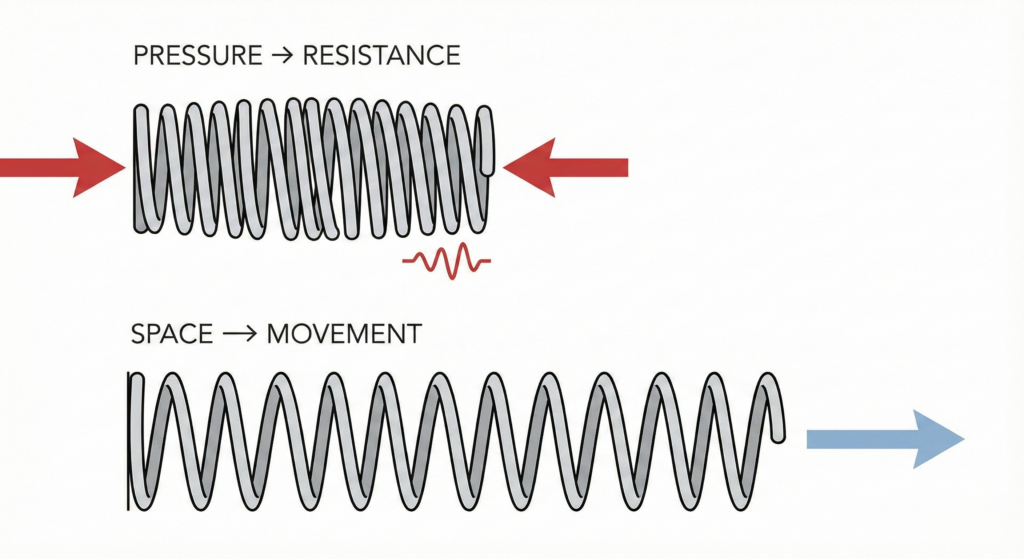
Imagine I walk up to you and place my palms on your chest. Not aggressive – just pressure. What do you do instinctively?
You push back. You stiffen. You resist.
Now imagine I walk up to you and then suddenly step backward. What happens?
You lean forward. You step toward me. You fill the space I vacated.
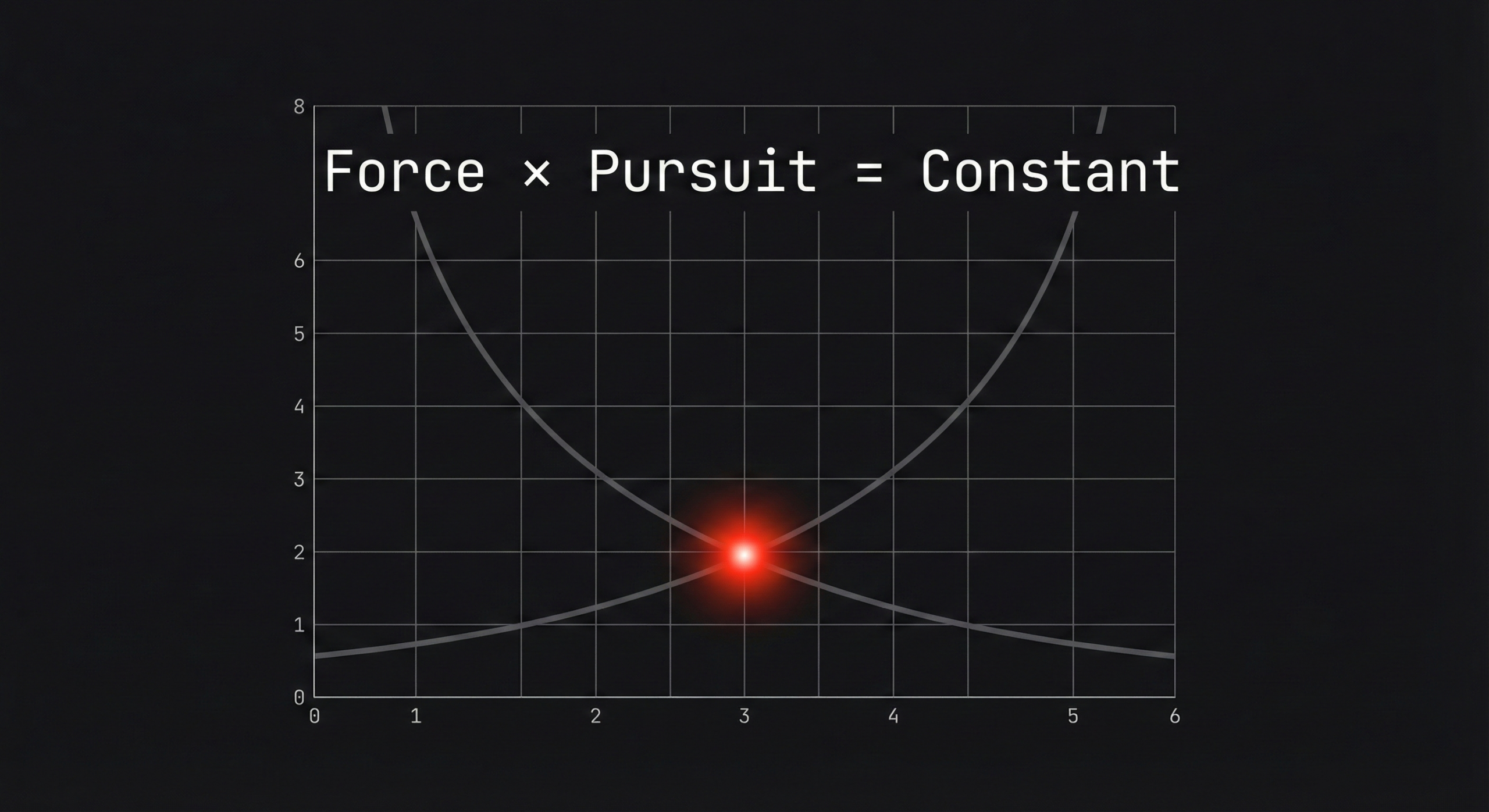
This isn’t a metaphor. It’s how human psychology actually works. Push creates push-back. Pull creates pursuit.
What This Means for Everything I Was Taught
Think about classic sales training:
“Always be closing.” Push for the decision.
“Persistence pays off.” Keep pushing until they buy or die.
“Overcome objections.” Push through their resistance.
“Hard close techniques.” Apply maximum pressure at the end.
Every single one of these triggers reactance. Every single one makes the buyer want to resist more.
And then we’re surprised when they ghost us. When they go dark after “great calls.” When deals that seemed solid suddenly die.
We triggered their reactance. We made them feel cornered. And the only way they could reassert their freedom was to escape.
The Boomerang Effect
There’s a related phenomenon called the “boomerang effect” – when high-pressure tactics actually move people further from your desired outcome.
Studies show that aggressive persuasion attempts don’t just fail to convince – they can backfire, making people more committed to the opposite position than they were before you started.
This explains something I’ve seen a hundred times: a deal that was warm goes cold after a hard close attempt. The buyer doesn’t just decline – they actively avoid you afterward. The relationship is damaged, sometimes permanently.
You didn’t lose the deal. You pushed them away.
What If We Inverted It?
I’ve been experimenting with doing the opposite.
When I feel a buyer pulling back, instead of pushing forward, I pull back too. “Maybe this isn’t the right time for you.” “I’m not sure we’re the best fit.” “Perhaps we should put this on hold.”
And something weird happens. They argue with me. They tell me why it is the right time. Why we are a good fit. Why they don’t want to put it on hold.
I pulled away. They leaned in.
It’s not a trick. It’s just physics. The same physics Brehm documented in 1966.
When you give people back their freedom to choose – including the freedom to walk away – they often choose to stay.
The Permission to Leave
One of the most counterintuitive things I’ve started doing: explicitly giving buyers permission to say no.
“If at any point this doesn’t make sense for you, just tell me. I’d rather know now than chase a deal that isn’t real.”
“If you decide to go with a competitor, I get it. No hard feelings. Just let me know so I can close out my file.”
“Maybe we’re not the right fit. What would make you confident either way?”
Every instinct says this should kill deals. Every sales trainer would tell me I’m giving them an easy exit.
But the deals that are real get more real. And the deals that aren’t real reveal themselves faster. Either way, I stop wasting time on people who were never going to buy.
Jack Brehm figured this out in 1966. Most of us are still pushing.
Your Pipeline Isn't Dying. It Was Never Alive.
Activity isn't agreement. Motion isn't progress. Time to learn the difference.
Instant access. No spam. Unsubscribe anytime.