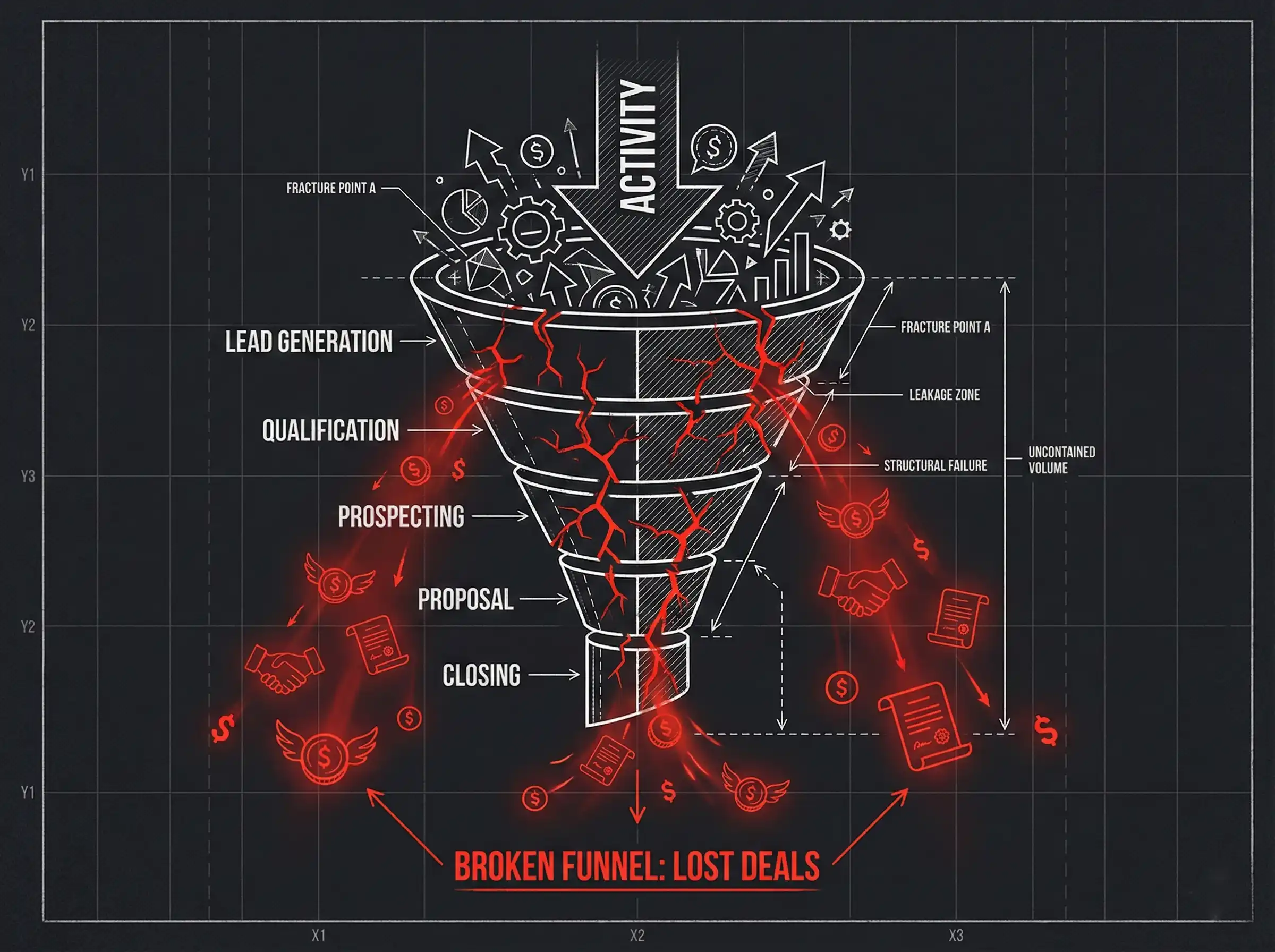
You know the feeling. The discovery call went perfectly. They were engaged. They asked great questions. They said all the right things. You walked out thinking “this one’s real.”
Then silence.
Your follow-up email goes unanswered. Your call goes to voicemail. The deal that felt so alive is suddenly dead – and you have no idea why.
I’ve been thinking about this pattern a lot lately. Not just why it happens, but what it reveals about how we’re selling.
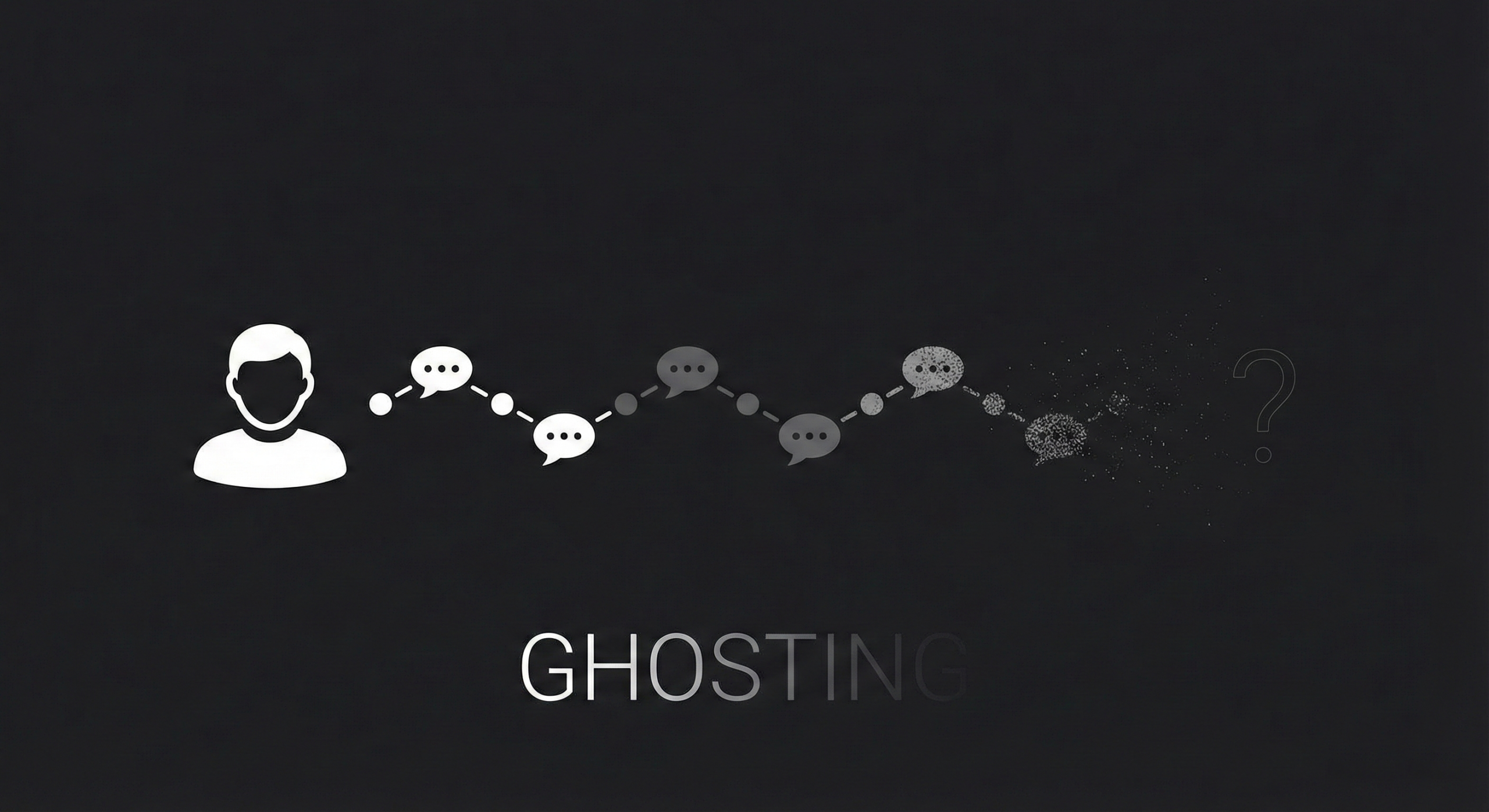
Ghosting Is Information
The first thing to understand: when a buyer ghosts you, they’re telling you something. We tend to treat ghosting as a mystery – “they went dark” – as if it’s something that happened to us. But ghosting is a communication. It’s just not the communication we wanted.
Forrester’s research shows that 86% of B2B purchases stall during the buying process. Not because of seller failure – because of internal complexity, risk aversion, and competing priorities.
Your “great call” didn’t cause them to buy. And your follow-up didn’t cause them to ghost. Something else was always going on that you didn’t see.
They Went Dark Because You Never Had Light
Here’s what I’ve realized looking back at deals that ghosted: I never actually understood what was happening inside their organization.
I knew my champion was interested. I knew the problem was real. I knew they liked our solution.
What I didn’t know: Who else needed to approve this. What other priorities were competing for the same budget. What the actual timeline was – their timeline, not mine. Whether the pain was urgent enough to overcome the friction of change.
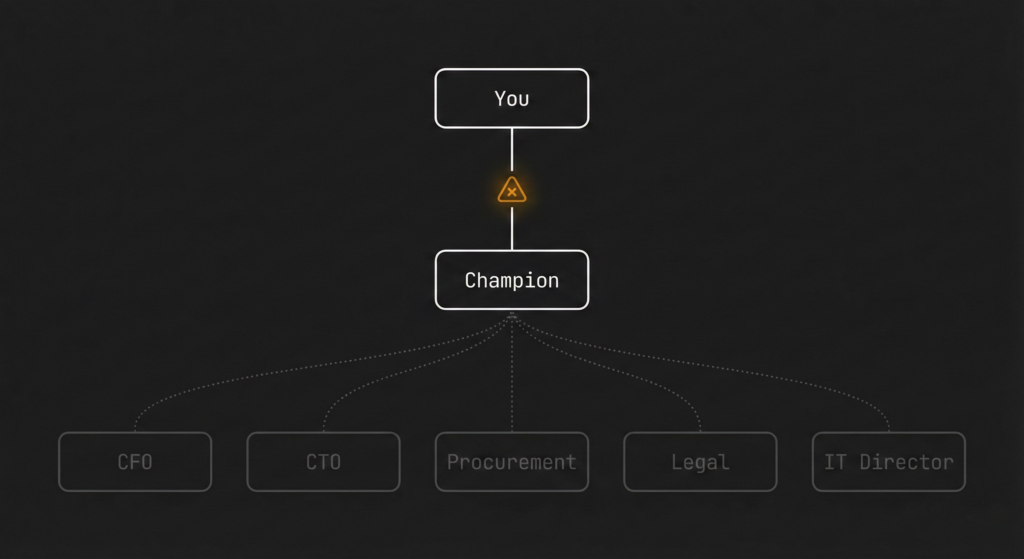
I had a relationship with one person. I had no visibility into the rest of the buying process.
When that person went silent, I had nothing. No other contacts. No understanding of internal dynamics. No way to know if the deal was dead or just stuck.
The Champion Problem
We’re trained to find a champion and work through them. Get a coach on the inside. Let them navigate the politics for us.
But here’s what happens: your champion goes to their CFO, gets shot down, and is now embarrassed. They’re not going to call you to explain that they overestimated their influence. They’re just going to stop returning your calls.
Or your champion gets busy with something more urgent. Your project drops to priority #7. They don’t ghost you because they’re not interested – they ghost you because they’re overwhelmed and you’re not the most important thing on their plate.
Or your champion leaves the company. Or gets reassigned. Or loses political capital on a different initiative.
A champion who won’t introduce you to other stakeholders isn’t a champion. They’re a single point of failure.
The Objection Underground
There’s another pattern I’ve noticed. Sometimes the ghosting starts right after you “handle” an objection.
They express a concern. You address it with counter-evidence. They nod. You think you’ve solved the problem.
But objections aren’t problems to be solved. They’re information. The prospect is telling you something important about their thinking, their concerns, their buying process.
When you “overcome” an objection, you’ve won a battle but potentially lost the war. The concern doesn’t disappear – it goes underground. The prospect stops voicing objections and starts ghosting. It’s easier to go silent than to keep arguing with someone who has an answer for everything.
The rep who “handles” every objection often ends up with more ghosts than the rep who takes objections seriously as signals.
The Buyer Has Changed
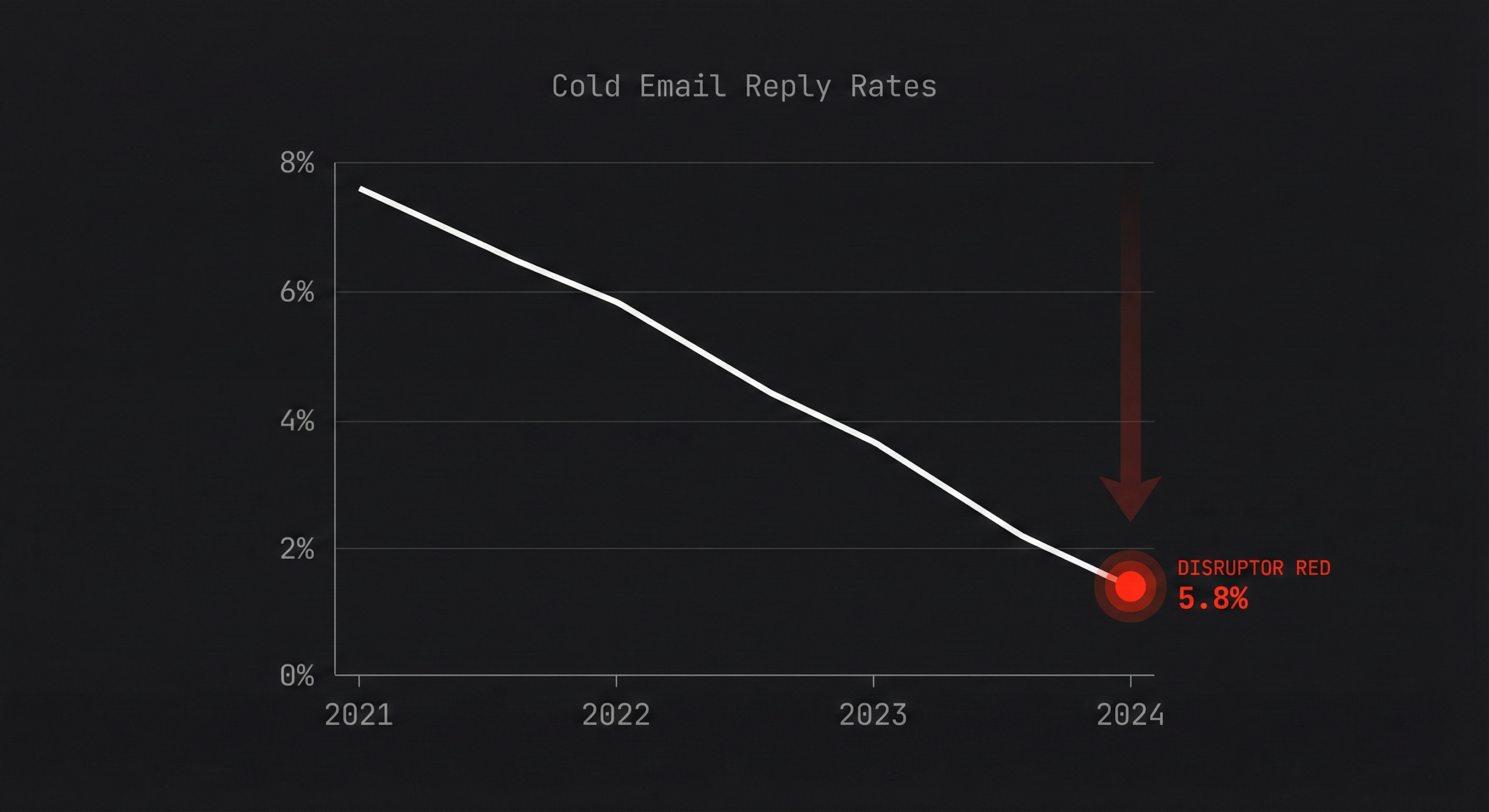
Some of this is structural. According to G2’s 2024 research, 73% of B2B buyers actively avoid irrelevant outreach. Not passively ignore – actively avoid. They’ve built filters and systems specifically designed to block sellers.
Even more striking: 61% of B2B buyers now prefer a rep-free purchasing experience. The majority would rather research, evaluate, and buy without ever talking to a salesperson.
This isn’t hostility toward sales. It’s a rational response to the value – or lack thereof – that most sales interactions provide.
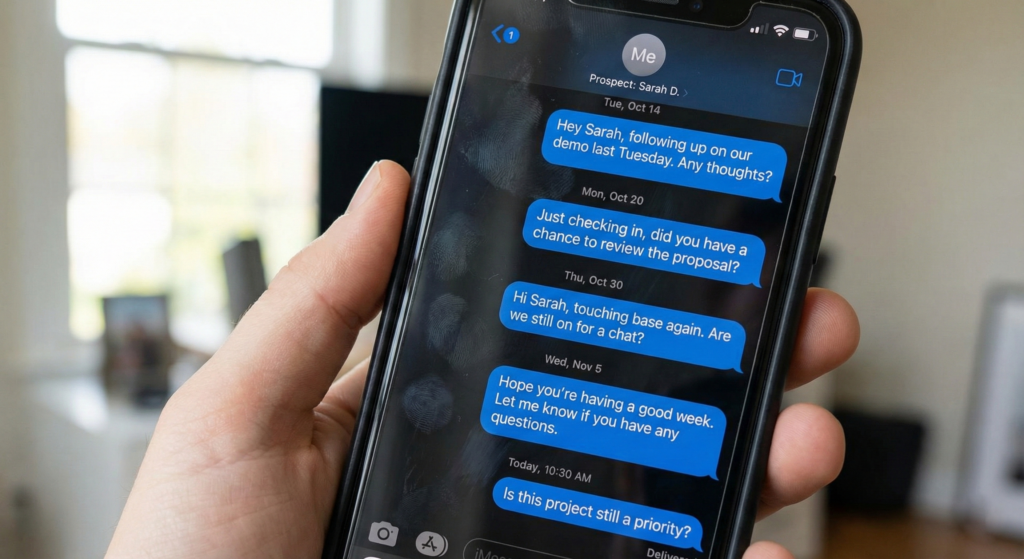
By the time a buyer agrees to talk to you, they’ve already completed 70-80% of their journey. They’ve read the reviews. They’ve talked to peers. They’ve formed opinions. They don’t need you to educate them – and they definitely don’t need you to follow up eight times asking if they’ve “had a chance to review the proposal.”
Ghosting is often the path of least resistance. It’s easier than explaining to an eager salesperson why the deal died.
What I’m Learning
I don’t have a complete answer to ghosting yet. But I’m starting to see some patterns in the deals that don’t go dark:
They involve more than one contact. If I’ve met the CFO, the technical lead, and procurement, I have multiple threads. One person going silent doesn’t kill the deal.
There’s an external deadline. When there’s a real compelling event – a regulatory deadline, a contract expiration, a board commitment – deals don’t stall as easily. Internal timelines slip. External deadlines don’t.
The buyer articulated the cost. When they tell me what the problem is costing them – not me telling them – they own the urgency. It’s harder to deprioritize something when you’ve calculated the damage yourself.
I was willing to walk away. The deals where I chased hardest are the ones that ghosted most. The deals where I seemed less desperate – where I asked hard questions and seemed willing to disqualify – those moved forward.
Still working through what this means for how I sell. But the pattern is clear: ghosting isn’t random. It’s a signal that something was missing from the start.
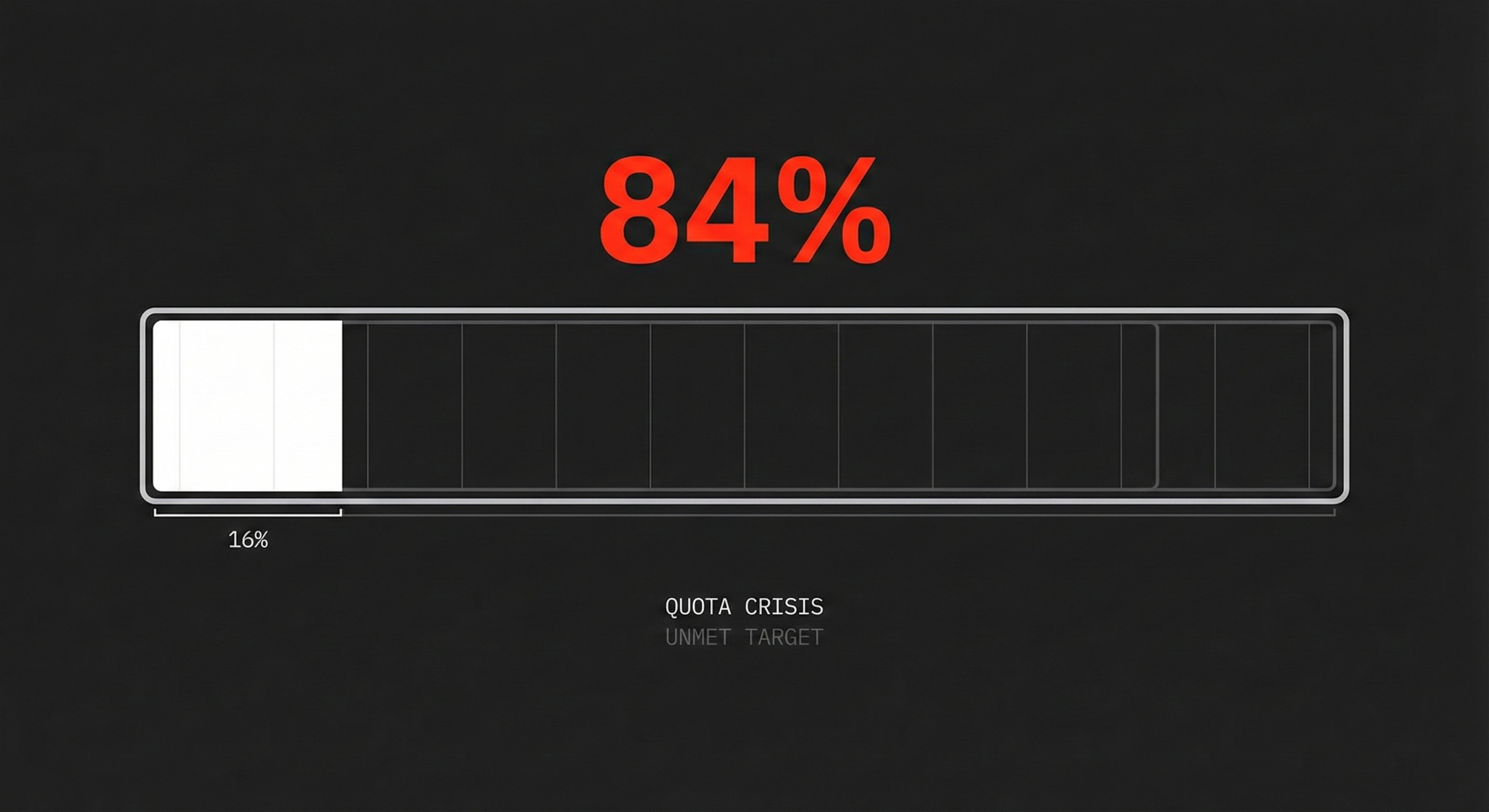
79% of Deals Don't Close.
That's not a performance problem. That's a methodology problem. The book explains why - and what to do instead.
Instant access. No spam. Unsubscribe anytime.