The View
I once had an office in Philadelphia that sat on top of the world.
It took three separate elevators to get to my chair. First, the express lift to the sky deck. Then a transfer across a polished atrium. Finally, a private lift to the executive floor.
My desk faced a wall of floor-to-ceiling glass. On a clear day, I could see three states. I could look out over the Delaware River and watch the tankers moving slowly toward the Atlantic.
Corner office. Three-state view. Team that looked at me like I had all the answers.
By every external measure, I had made it.
But standing there one Tuesday morning, looking out over those three states, I realized something that terrified me.
I knew who I had to save my team from.
I wasn’t fighting the competition. I wasn’t fighting the market conditions.
I was fighting the Lifers up I-95.
The Lifers
Our corporate counterparts were in New York. And that is where the Lifers lived.
The Lifer is a man or woman who has been in the same buildings, forcing the same processes, for fifteen, twenty, thirty years. They wear suits that cost two grand but fit poorly. They walk with the unearned confidence of people who have never actually had to kill what they eat in the digital age.
They are the Generals who sit in a bunker miles behind the front lines, moving pins on a map, completely unaware that the terrain has changed.
They are operating on Survivorship Bias. Because the “Dialing for Dollars” strategy worked for them in 1995, they assume it is a universal law of physics, rather than a tactic that worked in a specific moment in time.
The Meeting
I remember sitting in a “Strategic Planning” meeting with the New York leadership. It was 2011. The world was fracturing and rebuilding itself.
The Buyer had changed: They had iPhones. They had LinkedIn. They had access to peer reviews.
The Medium had changed: Caller ID was universal. Spam filters were aggressive.
The Psychology had changed: Trust in institutions was plummeting.
But inside that conference room, the air was stale. It felt like 1985.
The room was filled with Senior VPs and Directors with egos so large they barely fit in the Herman Miller chairs. The VP of Sales – a man who hadn’t made a cold call since the Reagan administration – stood at the front of the room, pointing at a slide deck that looked like it had been created in a previous decade.
“We need to increase our call volume,” he said, tapping the screen with a laser pointer. “The metrics show that if we just hit 50 dials a day per rep, the revenue will follow. It’s a numbers game. Volume equals victory.”
I looked around the room. Heads were nodding. People were taking notes. Serious, thoughtful notes about increasing call volume in a world where buyers were already starting to screen their calls, install ad blockers, and delete voicemails unheard.
It was insane.
It was like watching a group of cavalry officers planning a charge against machine guns. They were discussing how to polish the saddles and sharpen the sabers, completely ignoring the fact that the enemy had changed the physics of the war.

The Question
I raised my hand.
“Does anyone here actually answer a cold call?” I asked. “If your phone rings right now and it’s a number you don’t know, do you pick it up?”
The room went silent.
The VP stared at me with the look a parent gives a petulant child.
“That’s not the point,” he said. “The point is the process. We have to trust the process.”
The Realization
That was the moment I realized the truth.
They weren’t leaders. They were archivists.
They were preserving a dead religion. And they were sending mandates down to Philadelphia that demanded we burn our human capital to keep their archives warm.
“Trust the process” is what people say when they can’t defend the logic. It’s an appeal to authority when there is no authority left. It’s the last refuge of those who know, somewhere deep down, that the world has moved on without them.
The process was built for a world that no longer exists.
And every day we “trusted” it, we fell further behind.
The Numbers Today
That was 2011. Want to know how much worse it’s gotten?
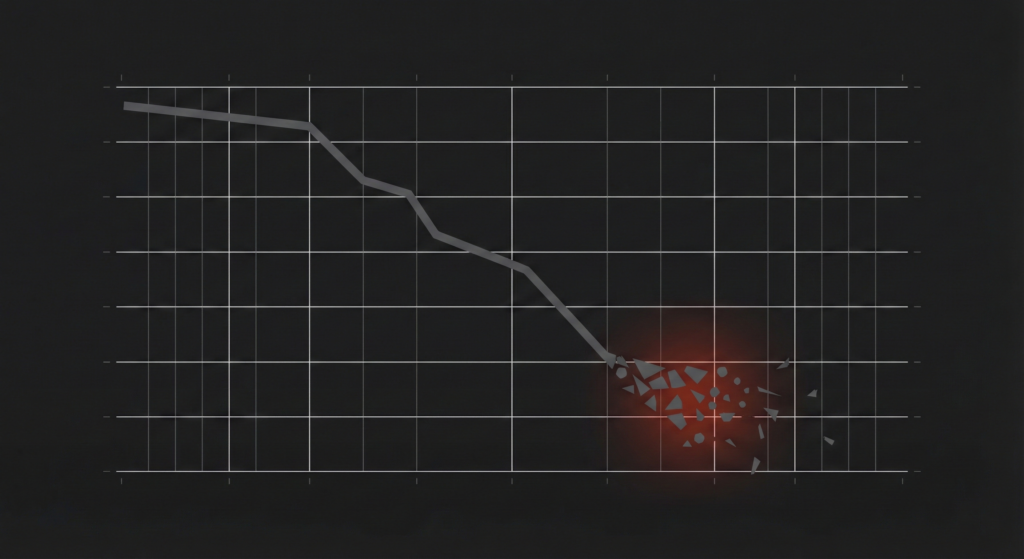
In 2010, the average number of dials required to reach a decision-maker was approximately 8. Today, that number ranges from 18 to 25 attempts.
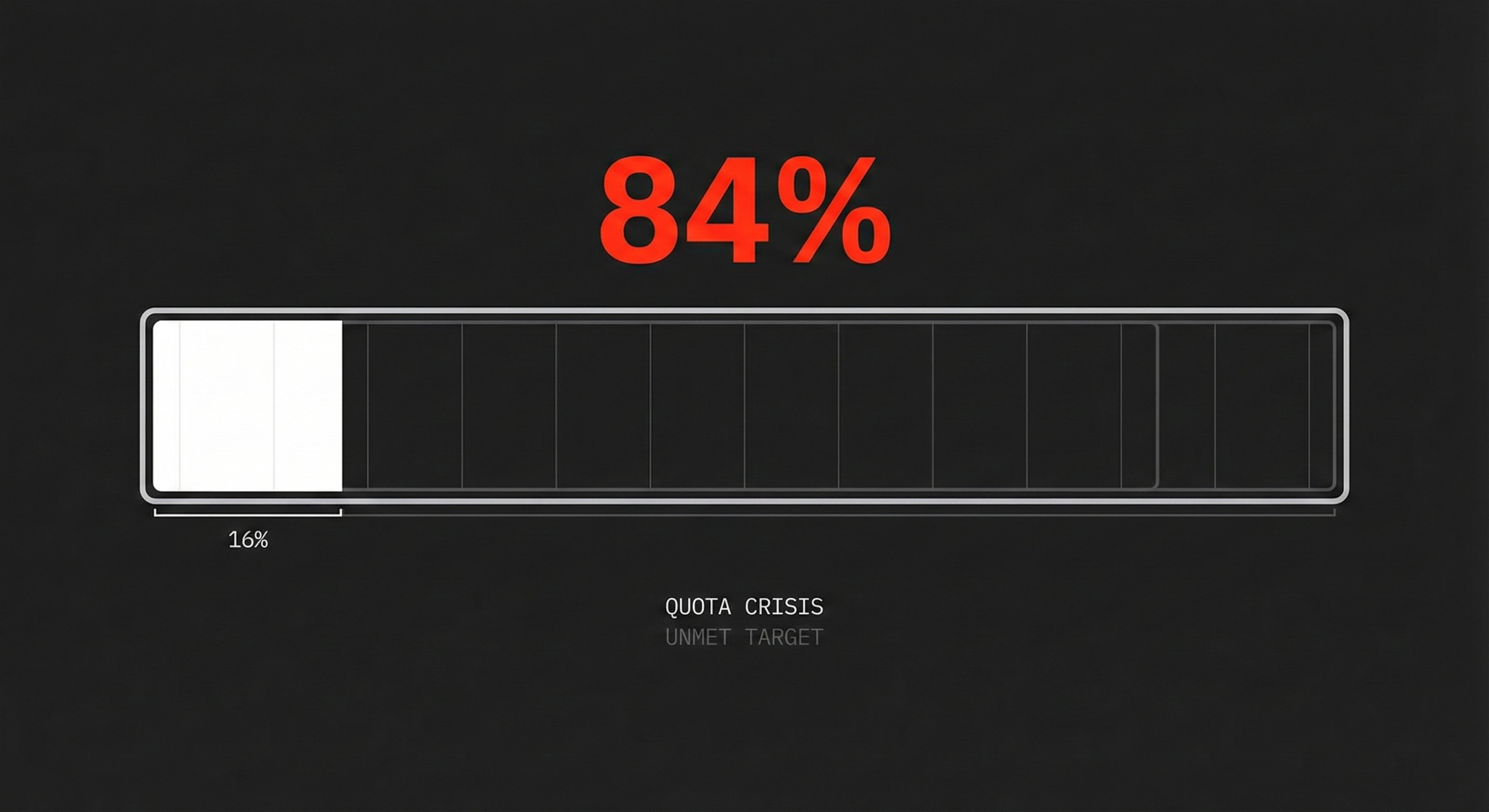
Cognism’s 2024 analysis revealed: 204,698 dials produced just 27,513 conversations. Of those conversations, only 617 converted to booked meetings.
That’s a 0.3% dial-to-meeting conversion rate.
Cold email? Reply rates dropped to 5.8% in 2024 – down from 6.8% the year before. Open rates collapsed from 46% to 31%.
The Lifers’ “50 dials a day” mandate? In 2024, 50 dials produces – statistically – nothing but frustration, burnout, and the slow death of your team’s morale.
But somewhere, in a conference room that smells like 1985, a VP who hasn’t made a cold call in thirty years is still pointing at a slide deck and saying:
“Trust the process.”
What Comes Next
I left that conference room knowing two things.
First: The old way was dying. The playbook was a museum piece being forced on a profession that desperately needed to evolve.
Second: Nobody was going to fix it for me. If I wanted a different result, I’d have to build a different system.
It would take three more years before I got the chance to test what “different” actually looked like.
But when I did, everything changed.
You Were Trained to Fail.
Every methodology, every manager, every metric. The System was built for a buyer who no longer exists.
Instant access. No spam. Unsubscribe anytime.