The Meeting
Philadelphia. 2014.
I’m sitting across from three executives from a Fortune 500 fuel retailer. Thousands of convenience stores. Millions of customers. And they’re angry.
The lead executive – we’ll call him Marcus – leans forward and launches into a tirade.
“We’ve heard pitches from three other firms. They all promised us they could build this platform. They all failed. Millions of customers hit our stores every day, and we have no way to know who they are, no way to reward them, no way to compete with what Starbucks is doing. Our board is demanding a digital loyalty strategy. If you can’t guarantee this will work, get out of my office. Yes or no – can you build it?”
Every instinct I’d been trained on screamed at me to respond.
Reassure him. Match his energy. Show credentials. Sell.
I did the opposite.
The Opposite
I let the silence hang. Ten seconds. Fifteen. My business partner shifted in his seat.
Finally, I spoke. Slowly. Without matching Marcus’s intensity.
“I don’t know.”
Marcus blinked. “Excuse me?”
“I said I don’t know. What you’re describing isn’t a software project. It’s a complete digital transformation. Loyalty, payments, mobile, data integration – all connected to legacy point-of-sale systems installed when gas was a dollar a gallon. If I tell you I can build that right now, I’d be lying.”
My partner’s face went white.
I kept going.
“Three vendors have already promised you the moon and failed. I’m not going to be the fourth. So before we talk about whether we can help, I need to understand something: Why do you think the last three failed? Was it their technology, or was it something about how your organization approached this that made implementation impossible?”
The room went silent.
I had just questioned the client’s competence. I had refused to sell them on a vision I wasn’t sure they were ready to build.
Everything I’d been taught said this was suicide.
The Inversion
Then something happened.
Marcus didn’t yell. He didn’t kick us out.
He slumped back in his chair. The aggression drained out of his face. He looked at his colleagues, then back at me.
“What would you need to see to know if we’re actually ready to do this?”
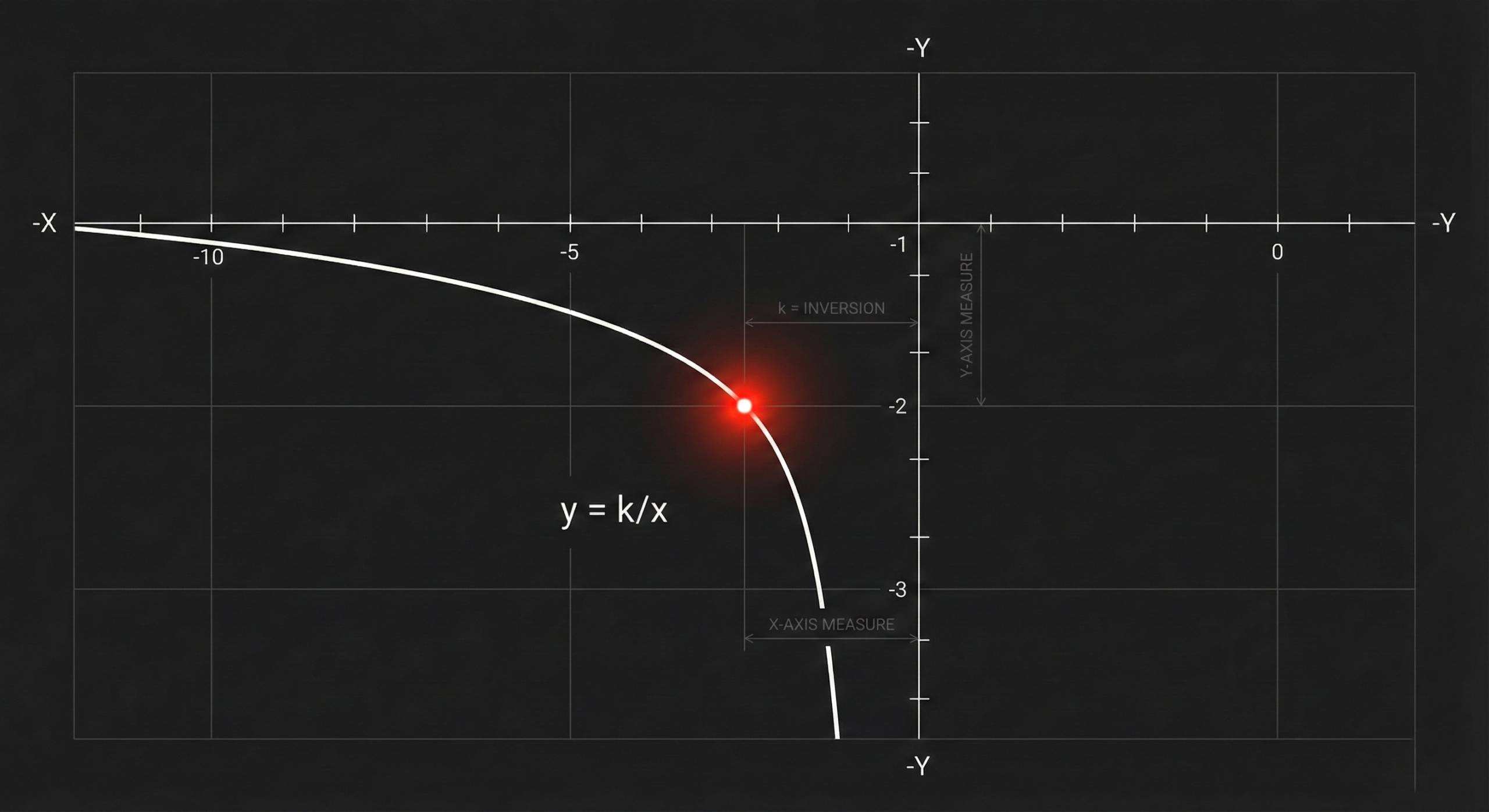
In that moment, the entire dynamic inverted.
We were no longer vendors begging for a contract. We were doctors, and they were patients. They weren’t interviewing us anymore. We were evaluating them.
We signed the deal three weeks later. It was the largest contract in our company’s history – a multi-year engagement to build the platform that became the foundation of their digital future. Contactless payments. Loyalty integration. Mobile experience.
That single conversation transformed the trajectory of two companies. The proof point that attracted the next deal, and the next. The foundation upon which we built a company that would eventually sell for $200 million.
The Hypothesis
I didn’t know it then, but I’d stumbled into something.
For fifteen years, I’d been trained to sell one way – and spent those same fifteen years watching it fail. Boiler rooms. Corporate offices. Forecast calls where the numbers never matched reality.
I’d been documenting everything. Every win. Every loss. Every moment the playbook worked and every moment it completely failed. Hundreds of deals dissected.
What I did in that conference room wasn’t random. It was the first time I had the authority to test a hypothesis I’d been forming for over a decade:
Everything I’d been taught about selling was backwards.
The instinct to reassure? Wrong.
The instinct to match energy? Wrong.
The instinct to overcome objections? Wrong.
The instinct to pitch credentials? Wrong.
When I did the opposite – when I challenged instead of reassured, stayed calm instead of matching intensity, admitted uncertainty instead of projecting confidence, questioned their readiness instead of begging for their business – the deal closed itself.

What Comes Next
That was ten years ago.
I’ve spent the decade since reverse-engineering what worked in that room, testing it in hundreds of other rooms, and codifying it into a repeatable system.
The psychology behind it has names. Reactance theory. Loss aversion. Status dynamics. The research existed – nobody had connected it to how we actually sell.
This isn’t a new talk track. It’s a different physics.
More on that soon.
The Old Way Is Dead.
57% miss quota. 40-60% lost to "no decision." The System is broken. This is the fix.
Instant access. No spam. Unsubscribe anytime.